Defensive performance in modern football is defined less by last-ditch tackles and more by intelligent positioning and precise timing. As tactical systems become increasingly structured and pressing intensity rises, defenders are required to read the game, manage space, and make decisions that prevent danger before it develops. Football defender performance analysis has therefore evolved into a detailed examination of how players control situations rather than simply how often they intervene.
In contemporary football, effective defenders shape match outcomes through anticipation, spatial awareness, and disciplined execution. Their influence is often subtle, but it forms the foundation upon which team stability and consistency are built. Understanding defender performance through positioning and timing provides a clearer picture of defensive excellence beyond traditional statistics.
The Modern Role of the Football Defender
Football defenders today operate within highly organized tactical frameworks. Whether playing in a high defensive line or a compact low block, defenders must align their actions with team strategy and adapt to changing match dynamics.
Defensive Responsibility Within Team Structure
A defender’s primary responsibility is to maintain defensive integrity. This includes preserving line spacing, coordinating movement with teammates, and protecting central zones. In high-level matches, individual errors in positioning are often exploited immediately, making discipline essential.
Performance analysis evaluates how well defenders maintain structural balance, particularly during transitions when defensive shape is most vulnerable.
Role Variation Across Defensive Positions
Central defenders and full-backs face different positional demands. Central defenders focus on line management, aerial coverage, and space protection, while full-backs balance defensive duties with wide coverage and support in advanced areas. Effective analysis accounts for these positional variations rather than applying uniform standards.
Positioning as the Foundation of Defensive Performance
Positioning determines whether defenders are proactive or reactive. Correct positioning reduces the need for emergency interventions and limits the opposition’s attacking options.
Spatial Awareness and Zone Control
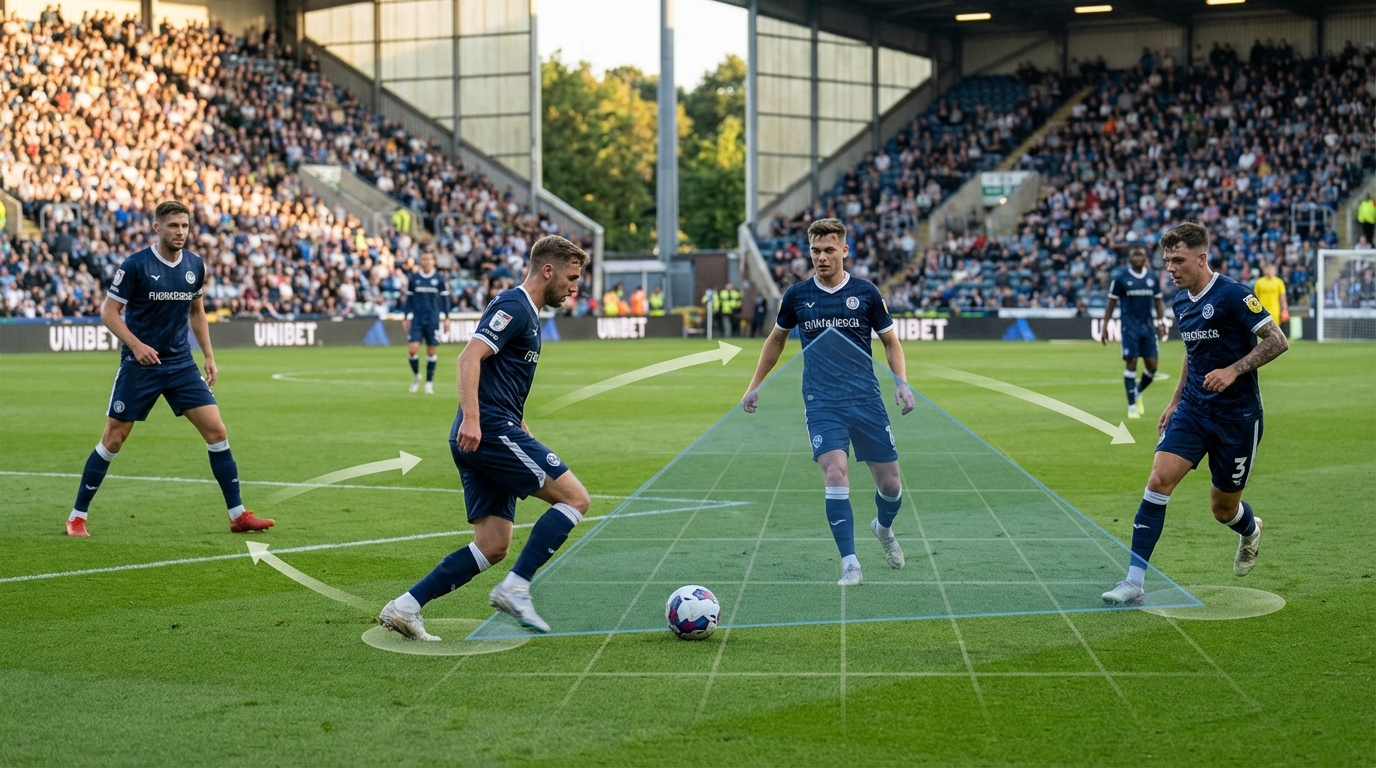
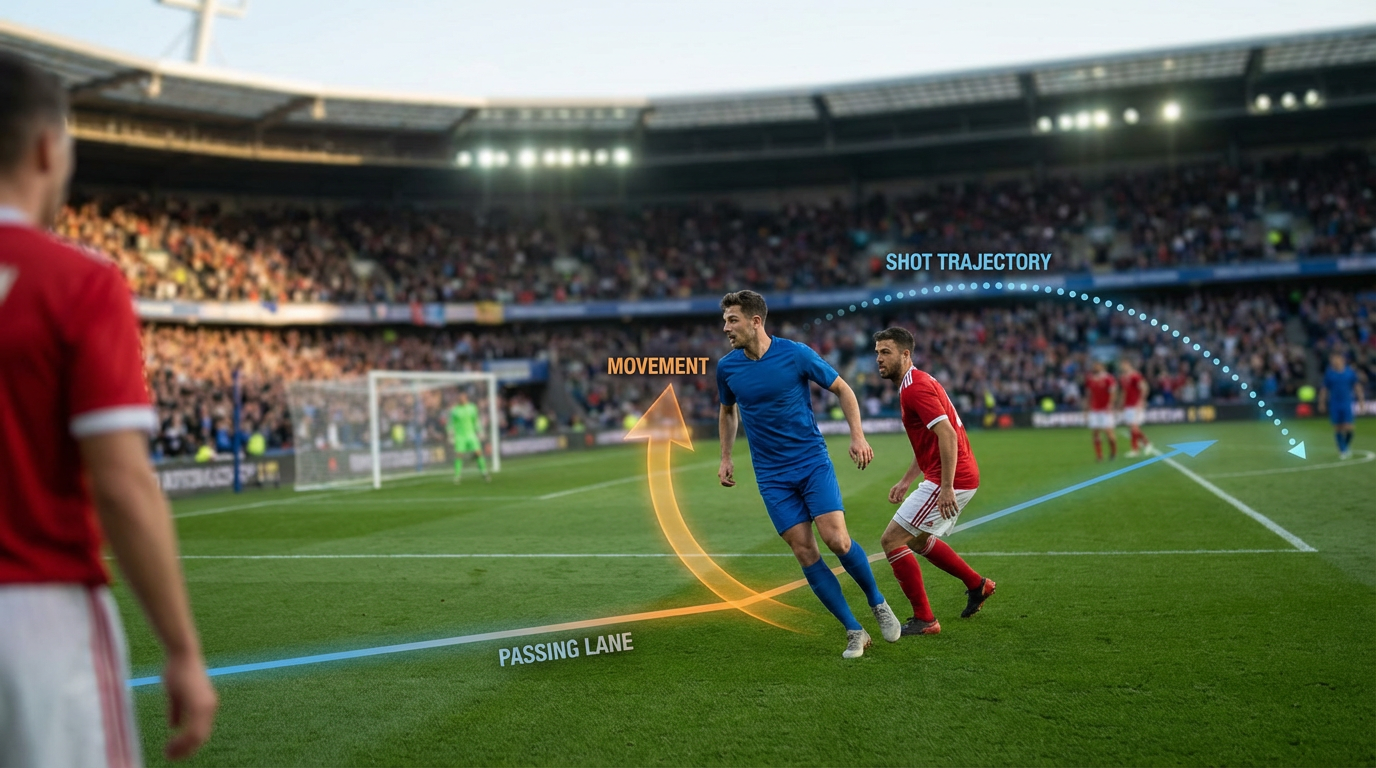
Elite defenders demonstrate strong spatial awareness, consistently occupying areas that block passing lanes and guide attackers into less dangerous zones. By controlling space, defenders influence attacking decisions before the ball reaches critical areas.
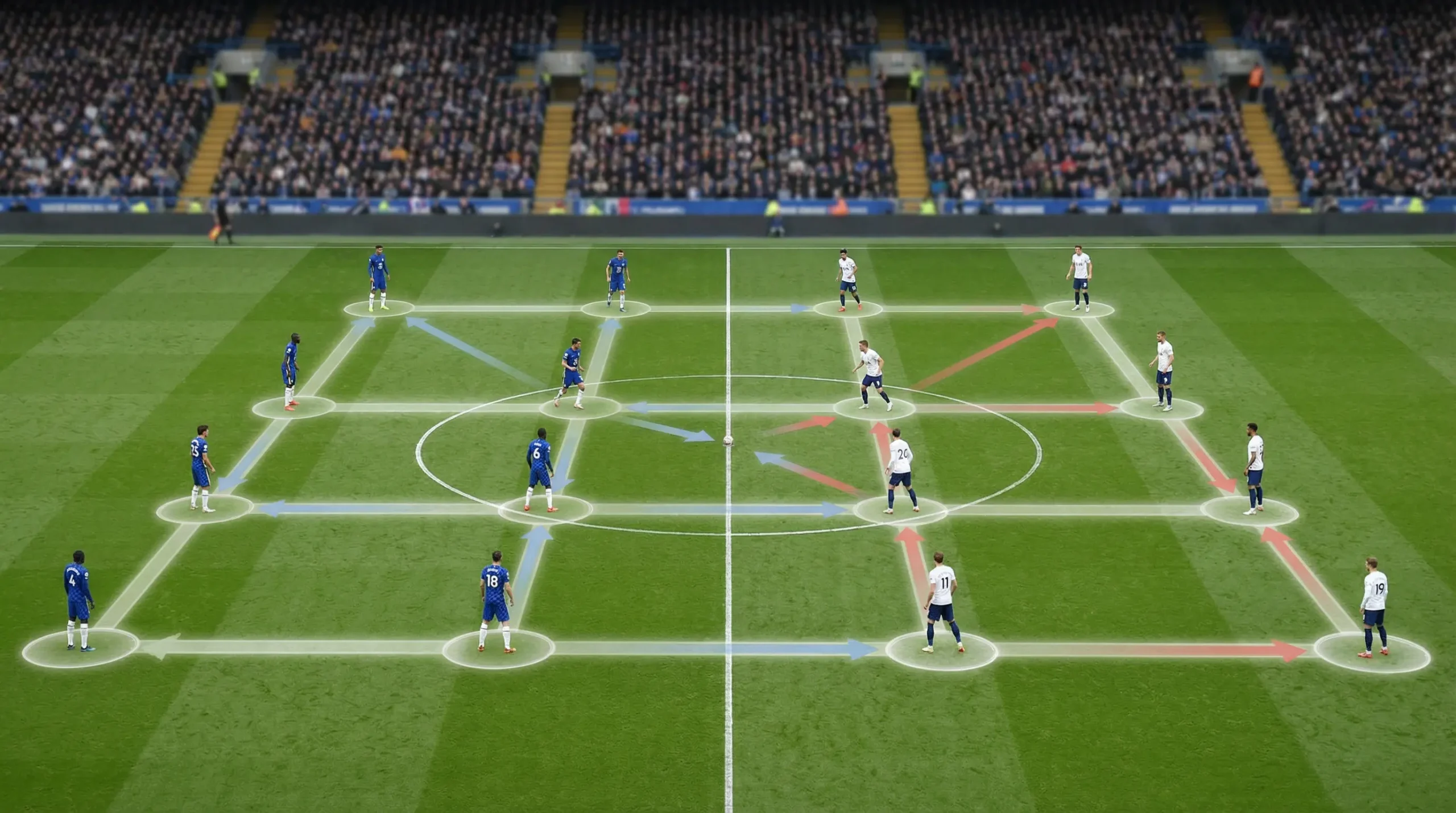
Performance analysis examines how defenders manage distances between themselves, their teammates, and the ball. Compact spacing minimizes gaps and strengthens collective defense.
Maintaining Defensive Lines
Line management is essential in both high and low defensive blocks. Defenders must move in unison to maintain offside traps, compress space, and prevent vertical passes. Poor synchronization often leads to breakdowns that expose goal-scoring opportunities.
Analysts assess how defenders adjust line height in response to pressing intensity and opponent movement.
Timing in Defensive Actions
While positioning establishes defensive structure, timing determines the success of individual interventions. Well-timed actions reduce risk and maintain team balance.
Tackling Timing and Decision-Making
Effective tackling is about choosing the right moment rather than constant engagement. Defenders who delay attackers, force them away from goal, or wait for support often achieve better outcomes than those who commit prematurely.
Performance analysis focuses on decision-making quality, including when to engage, when to hold position, and when to shepherd attackers into controlled areas.
Interceptions and Anticipation
Interceptions reflect anticipation and game intelligence. Defenders who read passing patterns and adjust positioning accordingly can disrupt attacks without physical confrontation. These actions preserve defensive shape and reduce the physical toll of repeated challenges.
Defending in High-Intensity Match Environments
High-intensity matches amplify defensive challenges. Increased tempo and pressing demand greater concentration and positional discipline.
Managing Pressure and Transition Moments
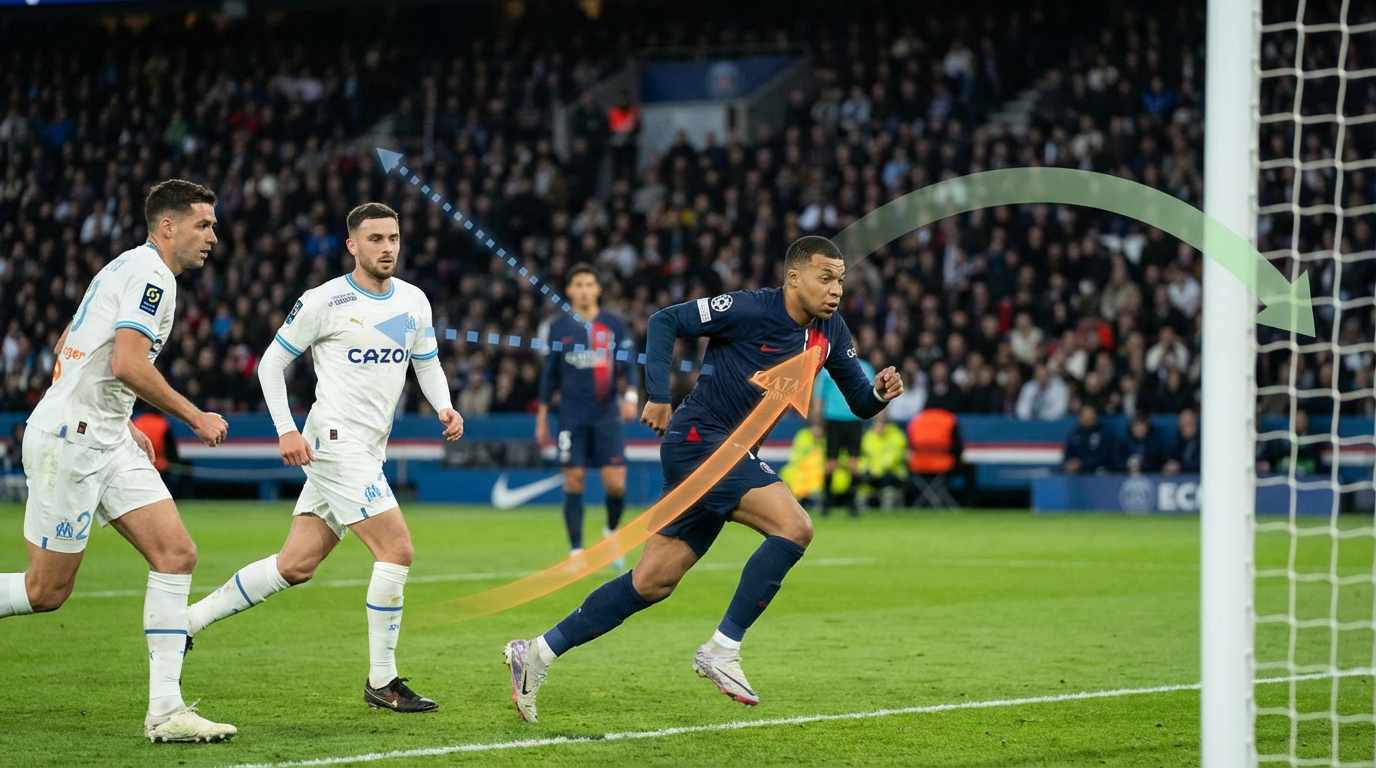
Transitions pose the greatest threat to defensive stability. Defenders must quickly assess risk, adjust positioning, and coordinate recovery runs. Effective performance analysis evaluates how defenders respond to these moments under pressure.
Composure Under Sustained Attacks
Defenders often face extended periods without possession. Maintaining focus and structure during sustained pressure reflects mental resilience. Poor concentration frequently results in positional errors late in matches.
Individual Defensive Attributes and Their Impact
While collective organization is crucial, individual qualities still shape defensive performance.
Physical Attributes and Positioning Efficiency
Speed, strength, and agility support effective positioning, but intelligence determines how these attributes are used. Well-positioned defenders conserve energy and avoid unnecessary physical duels.
Communication and Leadership
Defenders often act as organizers, directing line movement and alerting teammates to danger. Communication enhances collective positioning and reduces vulnerability.
Statistical Evaluation of Defender Performance
Data provides insight into defensive contribution, but context remains essential.
Key Metrics for Defensive Analysis
Relevant metrics include interceptions, blocked passes, defensive duels, aerial success, and errors prevented. These indicators help quantify involvement and effectiveness.
However, metrics must align with tactical roles. A defender in a low block will record different actions than one operating in a high line.
Integrating Data With Tactical Observation
Statistical output gains value when combined with visual analysis. Observing how positioning influences opposition decisions offers deeper insight than raw numbers alone.
Long-Term Defensive Consistency and Tactical Fit
Evaluating defender performance requires a long-term perspective.
Consistency Across Matches
Elite defenders maintain positional discipline and timing across varying match conditions. Consistency indicates strong understanding and adaptability.
Alignment With Team Philosophy
Defenders must fit the team’s tactical approach. Performance analysis considers how well a defender executes the manager’s vision and complements teammates.
Conclusion
Football defender performance analysis through positioning and timing highlights the importance of intelligence, discipline, and awareness in modern defense. While tackles and clearances remain visible indicators, it is often positioning and anticipation that prevent danger before it arises.
Defenders who master space control and execute actions with precise timing provide stability, reduce risk, and support team success. In contemporary football, defensive excellence is defined not by constant intervention but by the ability to remain one step ahead of the game.