In modern football, structure is everything. Matches at the highest level are rarely decided by individual brilliance alone; they are shaped by how effectively a team balances attacking ambition with defensive security. The best sides in the world — from Manchester City under Pep Guardiola to Real Madrid in their European campaigns — demonstrate that sustainable success is built on structural harmony.
This article explores how football teams design and execute a balanced structure, examining formation frameworks, positional play, defensive organization, transitional moments, and in-game adaptability.
1. The Foundation: Structural Principles Over Formation Labels
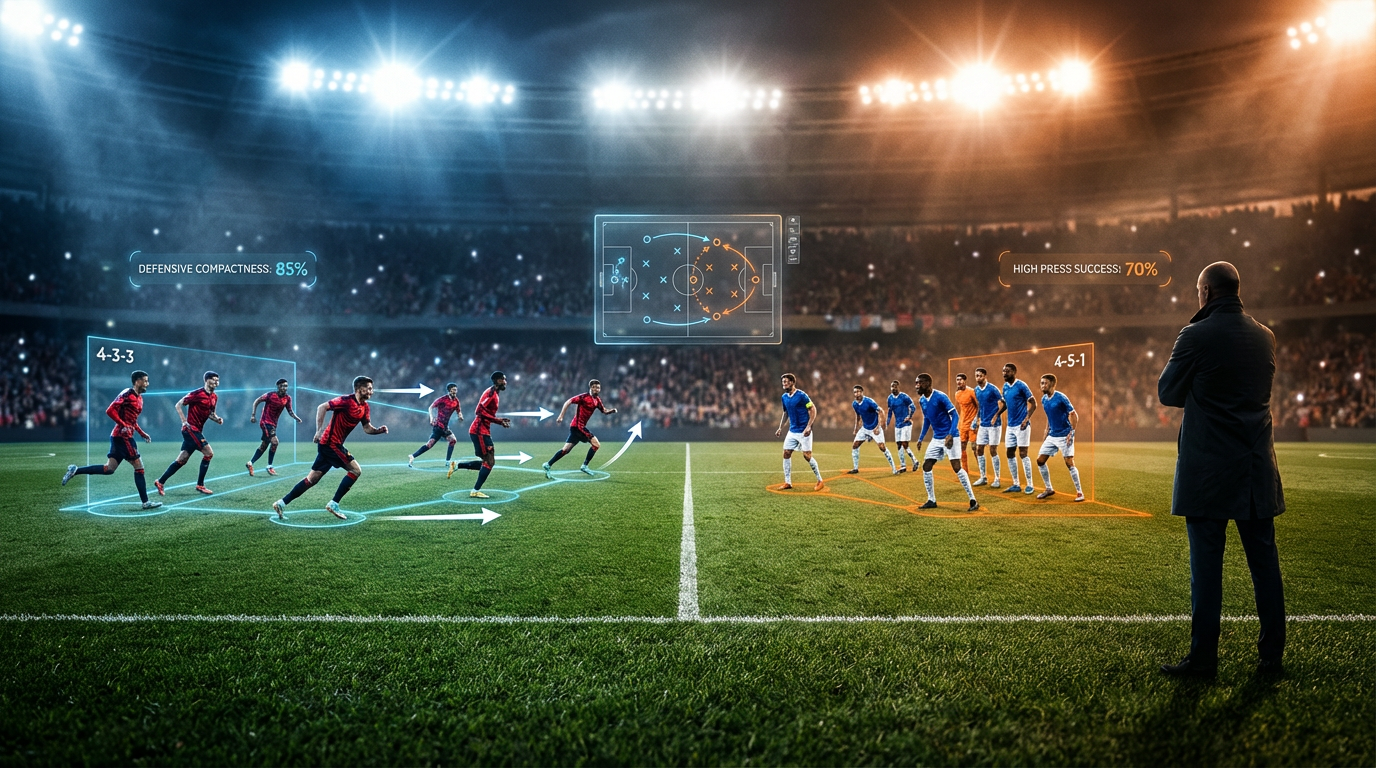
Formations such as 4-3-3, 4-2-3-1, or 3-4-3 are starting references, not rigid systems. What truly defines a team is how those numbers translate into functional roles.
A 4-3-3, for instance, can morph into:
- A 3-2-5 in possession
- A 4-1-4-1 in mid-block defense
- A 5-4-1 when protecting a lead
Elite coaches focus on positional responsibilities rather than static shapes. In possession, width must stretch the opponent horizontally while depth pins them vertically. Out of possession, compactness reduces exploitable space between lines.
Balance emerges when the attacking structure does not compromise defensive stability. The principle is simple yet demanding: attack with structure, defend with organization.
2. Rest Defense: The Hidden Backbone of Attacking Teams
One of the most overlooked aspects of team structure is “rest defense” — the positioning of players behind the ball during attacking phases. This concept has become central in modern tactical thinking.
When teams commit numbers forward, they risk exposure in transition. However, elite teams maintain:
- At least two central defenders covering depth
- A holding midfielder screening passing lanes
- Full-backs positioned asymmetrically
For example, Manchester City often invert a full-back into midfield, creating a 3-2 base behind the ball. This ensures:
- Central numerical superiority
- Protection against counterattacks
- Immediate counter-pressing potential
This balance allows attacking freedom without sacrificing defensive integrity.
3. Vertical Compactness: The Space Between the Lines
A team’s defensive resilience often depends on vertical compactness — the distance between defensive, midfield, and forward units.
When the lines are too far apart:
- Opponents exploit pockets between midfield and defense
- Pressing becomes ineffective
- Recovery runs become frequent and exhausting
Top defensive units, such as Atletico Madrid under Diego Simeone, maintain extremely tight vertical distances. Their forwards press selectively, but the midfield line stays close enough to deny central progression.
Compactness ensures that:
- Defensive blocks move as one
- Passing lanes are reduced
- Central zones remain protected
Without compactness, structure collapses.
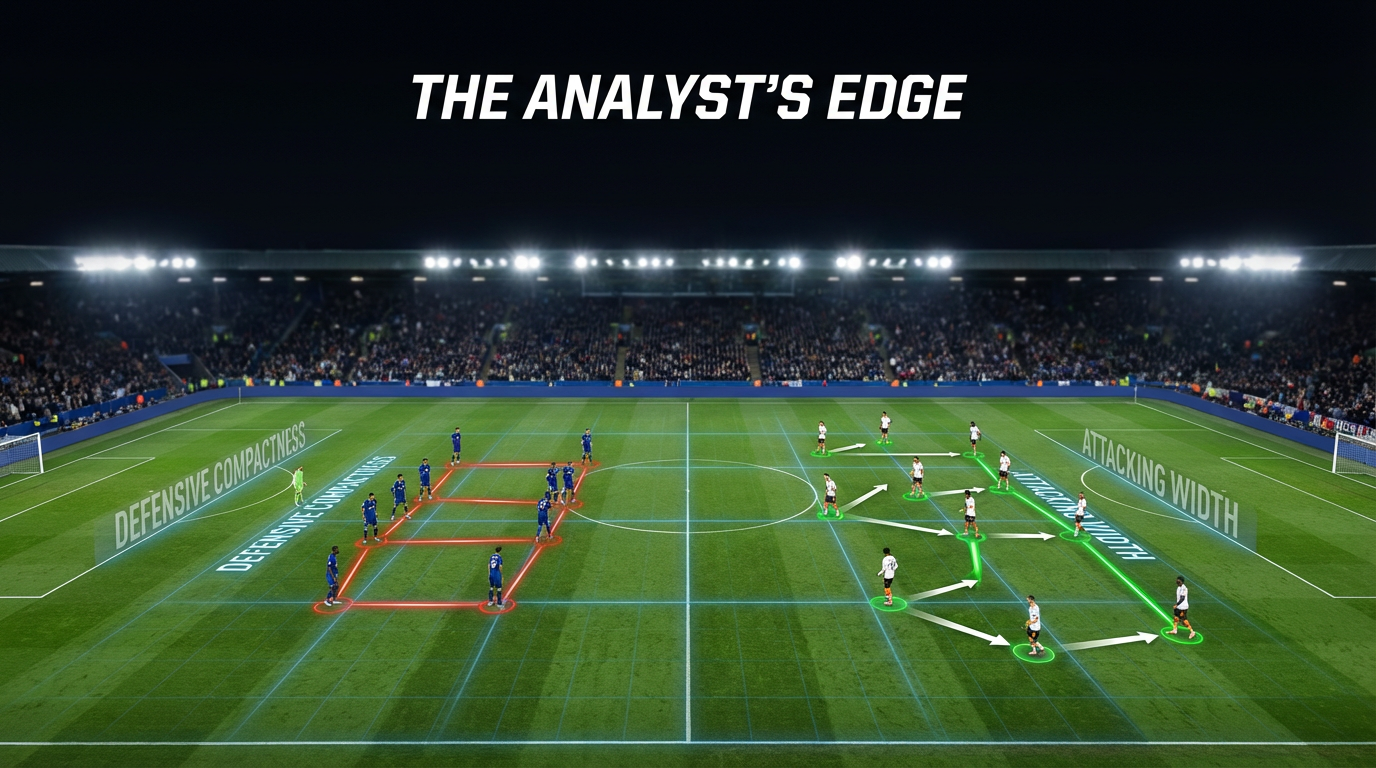
4. Width in Attack, Narrowness in Defense
Balancing attack and defense often revolves around intelligent width management.
In Attack:
- Wingers stretch the defensive line
- Full-backs overlap or underlap
- Switches of play shift the opposition
This forces defenders into difficult 1v1 situations and opens central corridors.
In Defense:
- Wide players tuck inside
- Full-backs narrow to protect half-spaces
- Central zones are prioritized over flanks
This principle explains why teams can appear expansive going forward yet compact when defending. The transformation must be automatic — hesitation creates vulnerability.
5. The Double Pivot vs Single Pivot Debate
The choice between a single defensive midfielder and a double pivot significantly influences team balance.
Single Pivot (e.g., 4-3-3)
- More attacking presence higher up
- Greater central control
- Requires positional discipline
This system demands an elite holding midfielder capable of:
- Screening central areas
- Receiving under pressure
- Switching play quickly
Double Pivot (e.g., 4-2-3-1)
- Increased defensive protection
- Better coverage in transitions
- Slightly fewer advanced attacking options
Teams facing high transitional threats often opt for a double pivot to prevent overloads during counterattacks.
The choice reflects risk tolerance and squad characteristics.
6. Transition Phases: The True Test of Balance
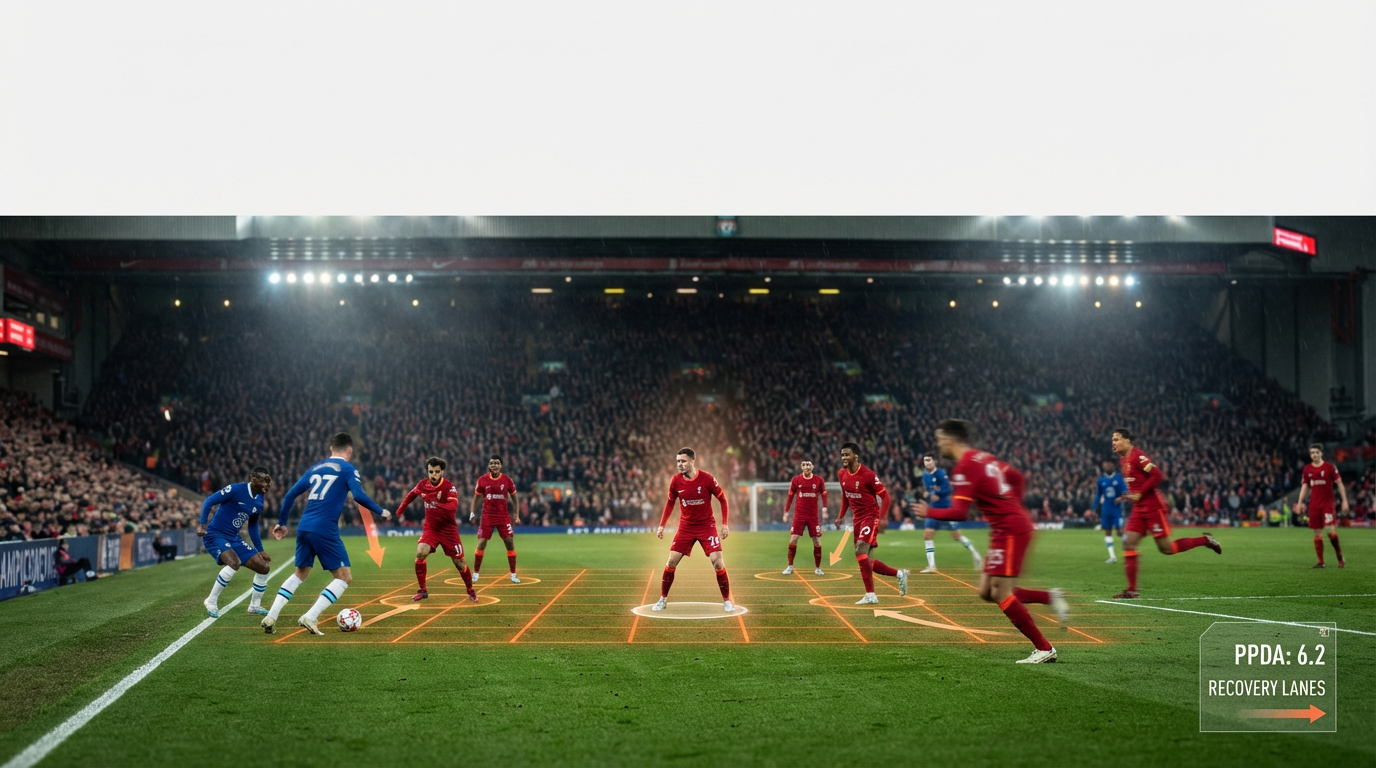
Football’s most dangerous moments occur immediately after possession changes. These transitional phases test structural discipline more than any settled phase.
Defensive Transition (Losing the Ball)
Effective teams respond with:
- Immediate counter-press
- Compact shape recovery
- Tactical fouls when necessary
The first five seconds are critical. If counter-pressing fails, retreat must be organized — not chaotic.
Offensive Transition (Winning the Ball)
Here, balance shifts again:
- Quick vertical passes exploit disorganization
- Wide players sprint into space
- Midfielders support in controlled waves
Teams like Real Madrid have mastered this duality — structured defensively but explosive in transition.
7. The Role of Full-Backs in Structural Balance
Modern full-backs are no longer purely defensive players. They are structural connectors.
Depending on tactical design, they may:
- Invert into midfield
- Overlap for width
- Stay deep for rest defense
Their positioning determines whether a team:
- Maintains defensive coverage
- Achieves central superiority
- Risks exposure on counters
The balance lies in asymmetry. One full-back advances while the other stays conservative, preserving structural equilibrium.
8. Central Overloads and Defensive Security
Attacking systems increasingly focus on creating numerical superiority in central zones.
Central overloads allow:
- Better ball circulation
- Short passing combinations
- Faster tempo control
However, overcrowding central areas can leave wide spaces exposed. Therefore, successful teams ensure:
- Immediate pressure after turnovers
- Defensive midfielder awareness
- Staggered player positioning
The art lies in committing numbers forward without losing the capacity to recover.
9. Psychological Discipline and Structural Integrity
Tactical diagrams mean little without psychological discipline. Structure requires players to:
- Resist positional temptation
- Trust teammates’ zones
- Maintain shape under pressure
When chasing a goal, teams often abandon structure, pushing defenders forward recklessly. Conversely, protecting a lead can invite excessive passivity.
The best-balanced teams maintain identity regardless of scoreline.
10. Game State Adjustments
Balancing attack and defense is not static. It evolves with the game state.
When Leading:
- Defensive line drops slightly
- Possession becomes controlled rather than aggressive
- Risky passes are minimized
When Trailing:
- Full-backs push higher
- Midfielders take advanced positions
- Defensive coverage shifts to 1v1 scenarios
The challenge is increasing attacking threat without losing defensive coherence.
11. Case Study Dynamics: Structural Fluidity in Elite Teams
Modern tactical evolution demonstrates that structure must be flexible yet principled.
For example:
- Manchester City often morph into a 3-2-5 during sustained possession.
- Atletico Madrid compress space into a 4-4-2 defensive shell.
- Real Madrid balance structured buildup with rapid vertical transitions.
Despite stylistic differences, all share a common trait: defensive insurance behind attacking ambition.
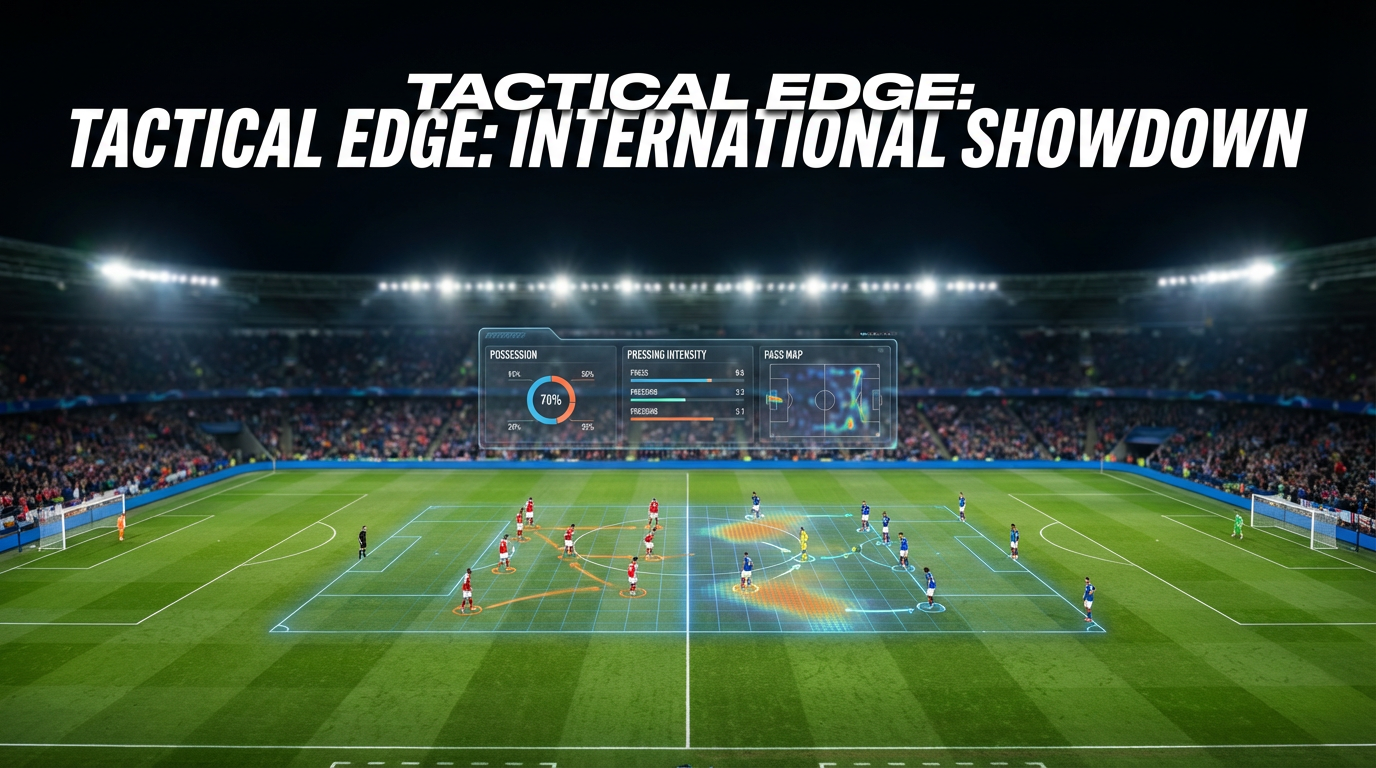
12. Data and Modern Tactical Analysis
Advanced metrics now quantify structural effectiveness:
- Expected Goals Against (xGA)
- Field tilt percentage
- Progressive passes conceded
- Defensive line height averages
These tools allow analysts to measure whether a team’s attacking strategy compromises defensive stability.
For instance, a high field tilt with rising xGA may indicate structural imbalance.
13. The Ideal Structural Model
The most balanced teams display:
- Numerical Superiority in Key Zones
- Compact Defensive Lines
- Controlled Risk in Possession
- Efficient Counter-Pressing
- Adaptive Formation Morphing
Balance does not mean equal focus on attack and defense. It means ensuring that attacking expansion never destroys defensive protection.
Conclusion: Structure as Competitive Advantage
In elite football, balance is not about caution — it is about control. Teams that master structural equilibrium dominate matches even without constant possession. They know when to stretch the pitch and when to compress it. They understand that attacking freedom must coexist with defensive accountability.
The modern game rewards those who manage spatial relationships with precision. Whether pressing high or sitting deep, whether chasing a goal or defending a lead, structural integrity remains the constant.
Ultimately, balancing attack and defense is less about formation diagrams and more about synchronized movement, disciplined spacing, and collective intelligence. The teams that perfect this harmony do not merely compete — they control outcomes.