In modern football, attacking success is rarely accidental. Goals are not merely the product of individual brilliance but the culmination of structured movements, coordinated positioning, and well-rehearsed tactical patterns. Behind every decisive chance lies a sequence of interconnected actions—progression through phases, manipulation of space, overload creation, and timing of runs. Understanding attacking patterns and the quality of chances generated is fundamental to analyzing how matches are won and lost.
This article explores the tactical mechanisms behind attacking play, examining how structured patterns create scoring opportunities, how teams manipulate defensive systems, and how chance quality ultimately defines outcomes.
The Foundations of Attacking Structure
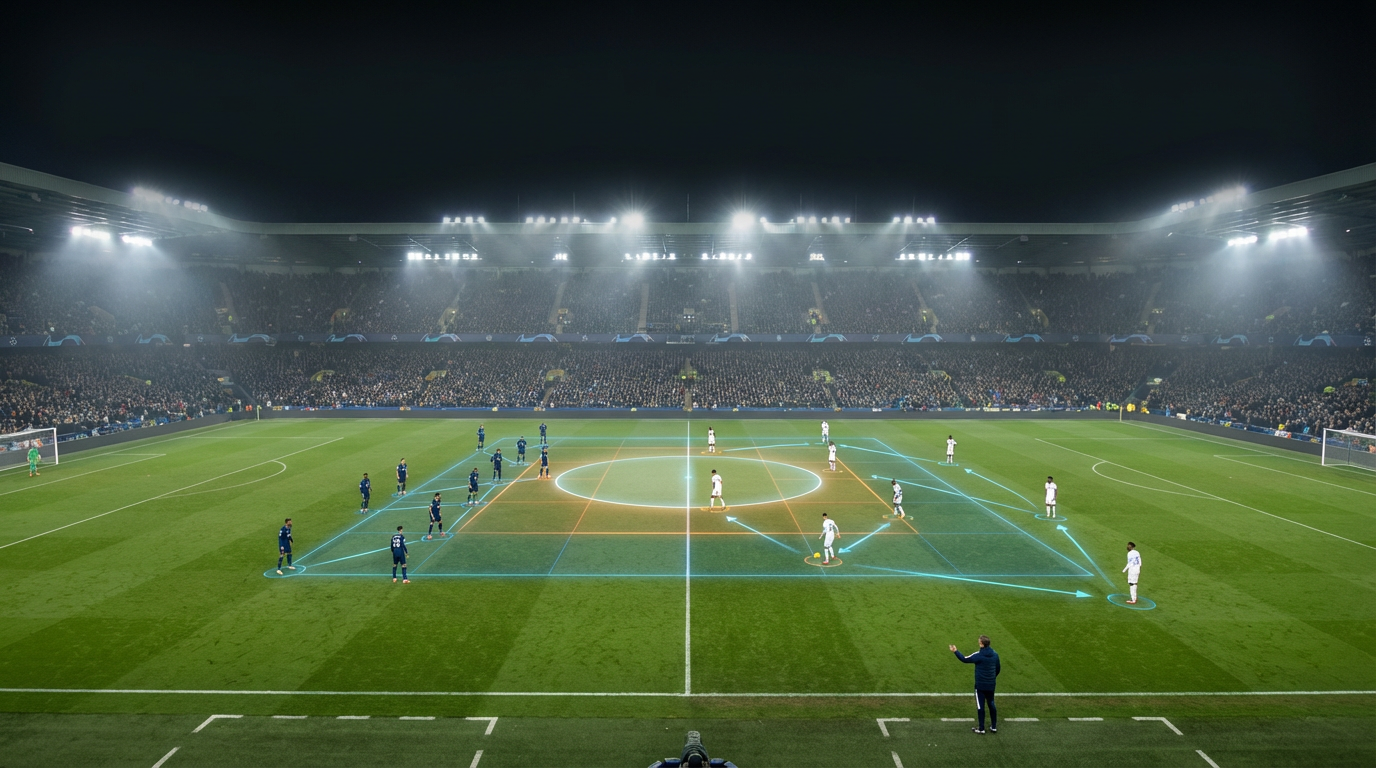
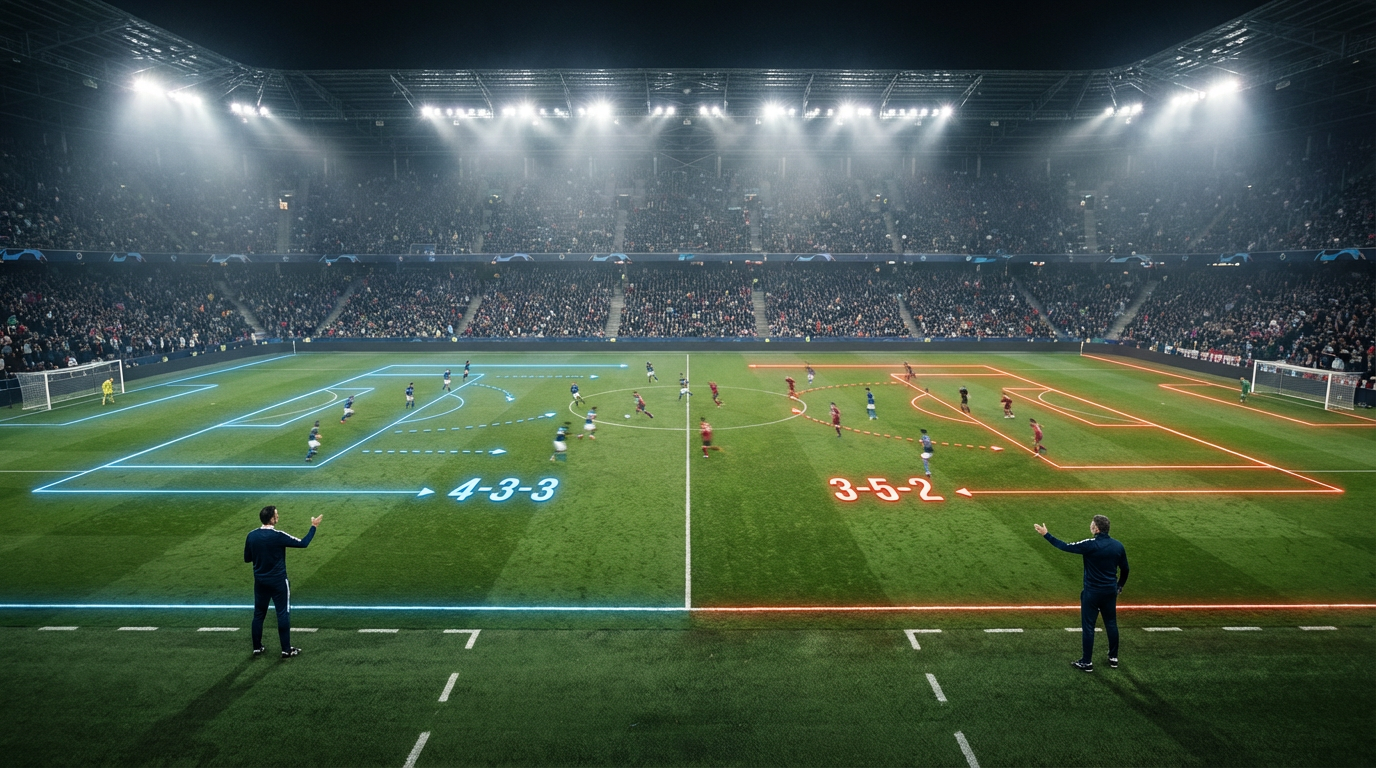
Effective attacking begins with structure. Most elite teams organize themselves in a recognizable formation—4-3-3, 4-2-3-1, or 3-2-5 in possession—but formations alone do not define attacking patterns. It is the occupation of space and the coordination between players that determine fluidity.
Modern positional play emphasizes:
- Width to stretch defensive lines
- Depth to threaten behind
- Central occupation to destabilize compact blocks
- Rotational movements to disorganize marking systems
Attacking structure ensures that when the ball progresses into advanced areas, players are positioned to exploit both horizontal and vertical gaps. Without structure, possession becomes sterile. With structure, possession becomes a platform for penetration.
Build-Up Patterns and Progressive Play
Attacking sequences often begin in the defensive third. The first objective is controlled progression—moving the ball through opposition pressure while maintaining balance.
1. Vertical Progression Through the Lines
Breaking opposition lines with forward passes is one of the most direct attacking patterns. Teams use:
- Split center-backs to widen passing lanes
- A dropping pivot to attract pressing forwards
- Third-man combinations to bypass midfield blocks
When executed correctly, this pattern eliminates multiple defenders with a single sequence, creating transitional advantages in the attacking half.
2. Wide Overloads and Isolation
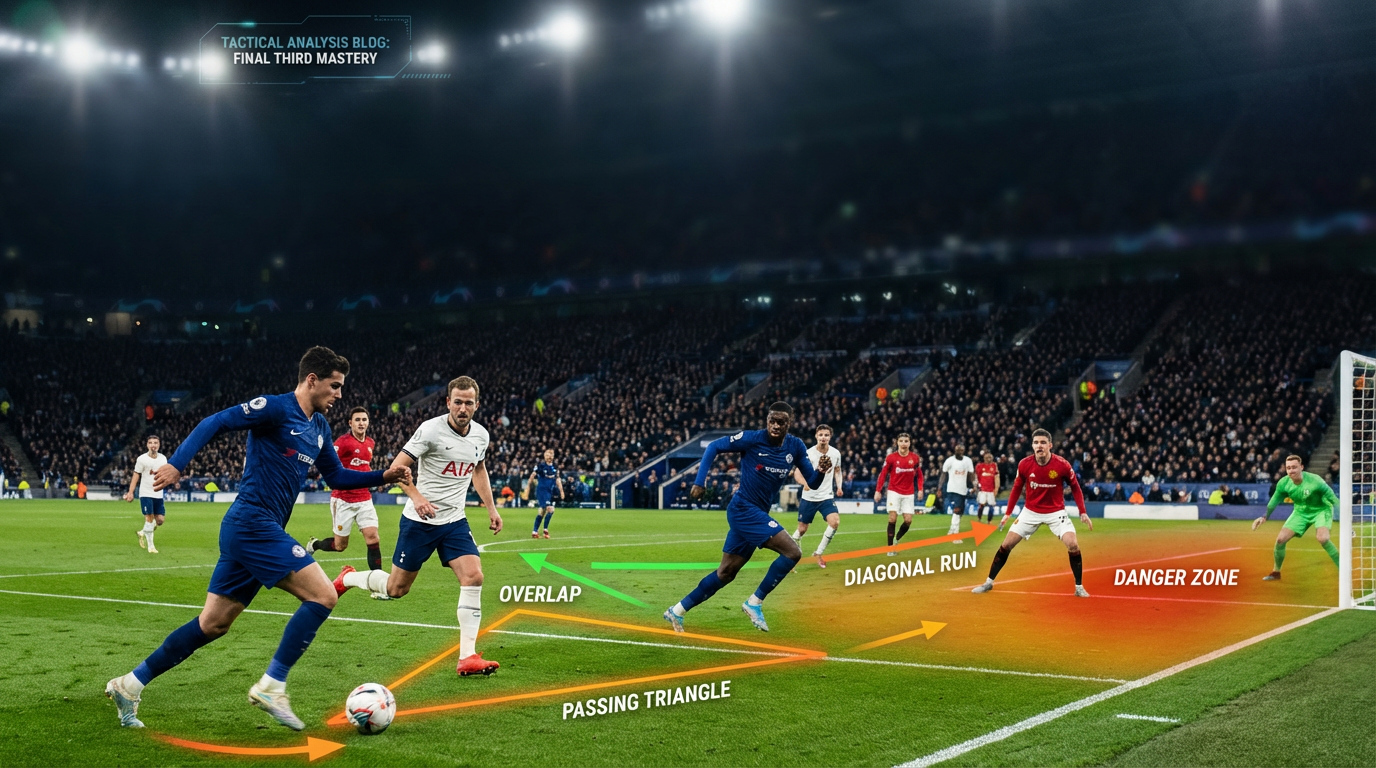
Another common pattern involves building centrally before switching play rapidly to wide areas. By drawing defenders inward, teams create isolation scenarios for wingers against fullbacks. In these situations:
- 1v1 dribbling becomes a primary weapon
- Overlapping fullbacks create 2v1 superiority
- Cut-back zones open at the edge of the penalty area
Wide progression is particularly effective against compact mid-blocks, as it stretches the defensive shape laterally.
Attacking in the Final Third
The final third is where attacking patterns transform into tangible chances. Here, timing, movement coordination, and spatial awareness become decisive.
1. Penetrative Runs Behind the Defense
Against high defensive lines, vertical runs from forwards or attacking midfielders exploit space behind center-backs. These runs require:
- Accurate through passes
- Proper body orientation
- Synchronization with the passer’s vision
The key is timing. A run too early results in offside; too late, and the defensive line recovers.
2. Half-Space Exploitation
The half-spaces—areas between central and wide channels—have become crucial zones in modern football analysis. Players operating in these pockets can:
- Receive between defensive lines
- Combine quickly in tight spaces
- Deliver diagonal crosses or shots
Half-space occupation destabilizes zonal defensive systems, forcing defenders into uncomfortable decisions about whether to press or hold shape.
Rotations and Positional Interchanges
Dynamic attacking patterns frequently involve rotational movements. When players interchange positions—such as a winger drifting inside while a fullback overlaps—the defense must constantly adjust.
Rotations create:
- Marking confusion
- Temporary mismatches
- Passing lane distortions
This principle is central to possession-dominant teams that rely on positional fluidity rather than static formations.
Transition Attacks: Speed as a Weapon
While structured attacks dominate possession-based systems, transitions remain one of the most efficient routes to goal. Quick counterattacks exploit defensive imbalance immediately after ball recovery.
Key elements of successful transitions include:
- Immediate vertical passing
- Forward runs before defensive reorganization
- Support runners attacking central channels
Transition-based teams prioritize directness over prolonged build-up, valuing speed and numerical superiority over controlled circulation.
Crossing Patterns and Cut-Back Zones
Crossing remains a powerful attacking tool when executed strategically rather than predictably.
Modern crossing patterns emphasize:
- Low-driven crosses across the six-yard box
- Cut-backs from the byline to arriving midfielders
- Early crosses behind defensive lines
Statistical analysis consistently shows that cut-backs from inside the penalty area produce higher-quality chances than speculative aerial deliveries. The reason is simple: defenders face their own goal and struggle to clear effectively.
Chance Creation and Expected Goals (xG)
Evaluating attacking performance requires more than counting shots. The concept of expected goals (xG) measures the probability of a shot resulting in a goal based on location, angle, defensive pressure, and other contextual variables.
High-performing attacking sides focus on:
- Central penalty box entries
- Close-range shot selection
- Limiting low-probability attempts
A team may dominate possession but create low xG chances due to poor shot selection or predictable patterns. Conversely, efficient sides maximize fewer but higher-quality opportunities.
Breaking Down Defensive Blocks
Different defensive structures require distinct attacking solutions.
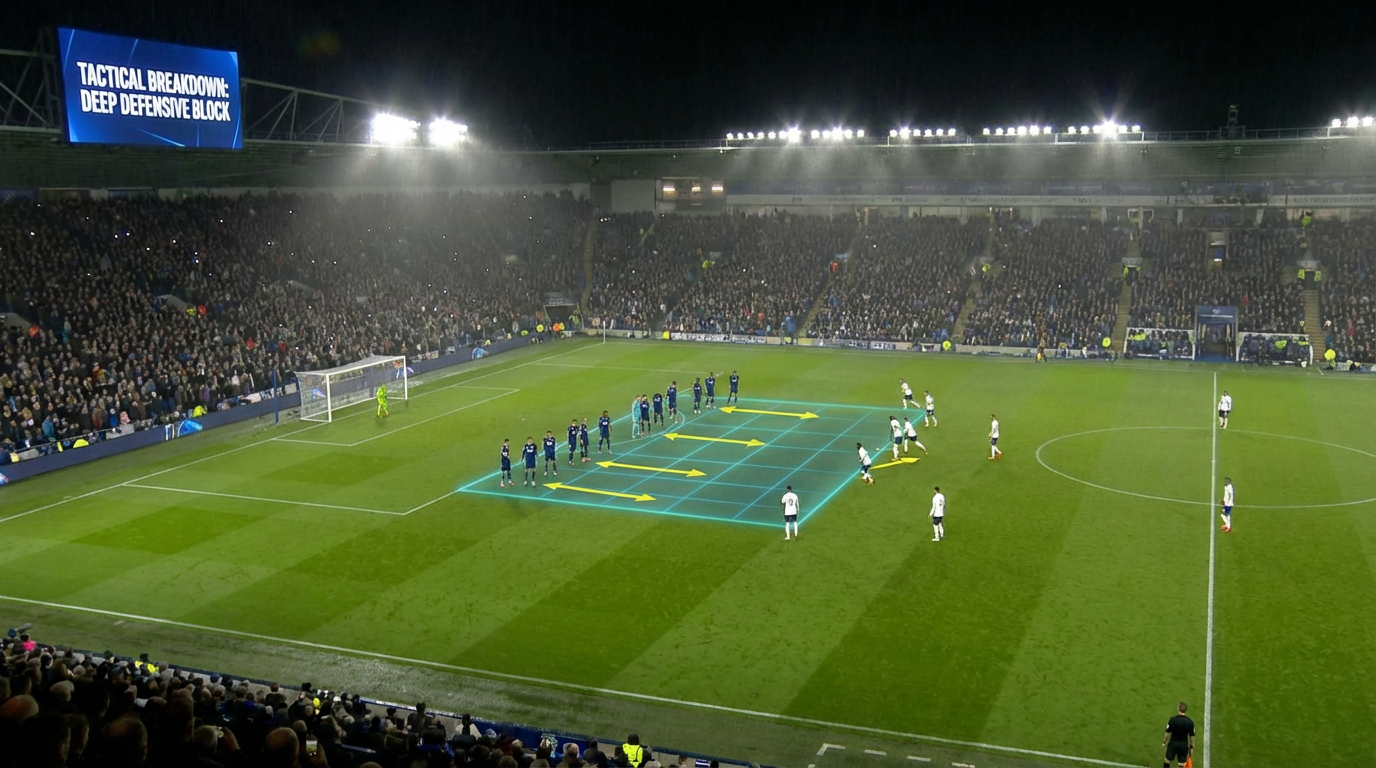
Against a Low Block
When facing a deep-lying defense:
- Patience and circulation are critical
- Quick switches of play destabilize compact shapes
- Overloads in wide areas create crossing angles
Creative midfielders must operate between lines to draw defenders out of position.
Against a High Press
When opponents press aggressively:
- Quick vertical progression is essential
- Direct balls into space behind the press become effective
- Exploiting transitional chaos yields scoring chances
Adaptability separates elite attacking teams from rigid systems.
Individual Brilliance Within Collective Structure
While structured patterns dominate modern analysis, individual creativity remains invaluable. Dribblers who can eliminate defenders alter defensive balance instantly. Playmakers capable of splitting lines with visionary passes elevate chance quality.
However, individual brilliance thrives best within collective organization. Structured positioning provides platforms for improvisation, ensuring that spontaneous actions are supported rather than isolated.
Spatial Awareness and Timing
Elite attacking teams exhibit superior spatial intelligence. They understand:
- When to accelerate tempo
- When to recycle possession
- When to attack central zones versus wide channels
Timing transforms patterns into decisive actions. A delayed pass can nullify a well-constructed move; a precisely timed through ball can dismantle a defense.
Psychological and Tactical Momentum
Attacking patterns also influence psychological momentum. Sustained pressure forces defensive errors, increases fatigue, and shifts territorial dominance. Even without immediate goals, consistent final-third entries destabilize defensive confidence.
Momentum is often built through:
- Repeated penetration into high-value zones
- Quick recoveries after lost possession
- Maintaining attacking structure during counter-pressing
Such sustained attacking presence increases the probability of defensive breakdowns.
Data-Driven Tactical Refinement
Modern football analysis integrates data analytics to refine attacking strategies. Coaches evaluate:
- Progressive pass frequency
- Zone entries
- Shot conversion rates
- Passing network density
Data highlights inefficiencies, allowing teams to adjust attacking emphasis. For example, if wide progression produces low-quality shots, tactical focus may shift toward central combinations.
Case Study Approach in Match Analysis
When analyzing a specific match, assessing attacking patterns involves structured observation:
- Identify the primary build-up structure.
- Analyze recurring final-third movements.
- Evaluate the quality and location of shots.
- Assess adaptability against defensive changes.
- Compare expected goals with actual outcomes.
Such systematic evaluation provides insight beyond surface-level statistics.
The Balance Between Control and Risk
Attacking play is a constant negotiation between control and risk. Excessive caution limits penetration; excessive risk invites counterattacks. Successful teams maintain defensive balance while committing sufficient numbers forward.
This balance is visible in:
- Rest defense positioning during attacks
- Counter-pressing organization
- Controlled risk-taking in central zones
Attacking ambition must coexist with structural discipline.
Conclusion
Football match analysis of attacking patterns and chances reveals the intricate blend of structure, movement, timing, and decision-making that underpins goal creation. From controlled build-up phases to explosive transitions, each attacking sequence reflects deliberate tactical planning.
Modern attacking football is not random creativity—it is orchestrated movement shaped by spatial intelligence and data-driven insight. The quality of chances, rather than the volume of possession, ultimately determines success. Teams that consistently generate high-value opportunities through coherent patterns are those most likely to dominate outcomes.
By dissecting attacking mechanisms—progression, overloads, rotations, transitions, and shot selection—analysts gain a comprehensive understanding of how matches are decided in the final third. In a sport increasingly defined by tactical nuance, mastering attacking patterns remains the cornerstone of competitive advantage.