In elite football, technical quality and tactical sophistication are essential, but they are not sufficient on their own. Matches are frequently decided not by who plays the most attractive football, but by who manages the game more intelligently. Game management—the ability to control tempo, space, risk, and psychological momentum—interacts directly with structural organization. Together, they determine whether a team protects a lead, recovers from adversity, or imposes its identity over ninety minutes.
This analysis explores how structure underpins game management, how teams adjust across phases, and how tactical discipline often separates victory from frustration.
Understanding Game Management in Modern Football
Game management refers to a team’s capacity to control the rhythm, spatial occupation, and strategic direction of a match according to context. It involves decision-making at both collective and individual levels.
Effective game management includes:
- Regulating tempo during different scorelines
- Maintaining structural integrity under pressure
- Managing transitions and emotional momentum
- Adjusting pressing intensity according to match state
While tactics define a team’s blueprint, game management determines how that blueprint is applied dynamically.
Structural Foundations: The Framework of Control
Structure is the skeleton of tactical organization. Without it, game management becomes reactive and chaotic. With it, teams can absorb pressure, accelerate play, or reduce risk in calculated phases.
1. Defensive Structure
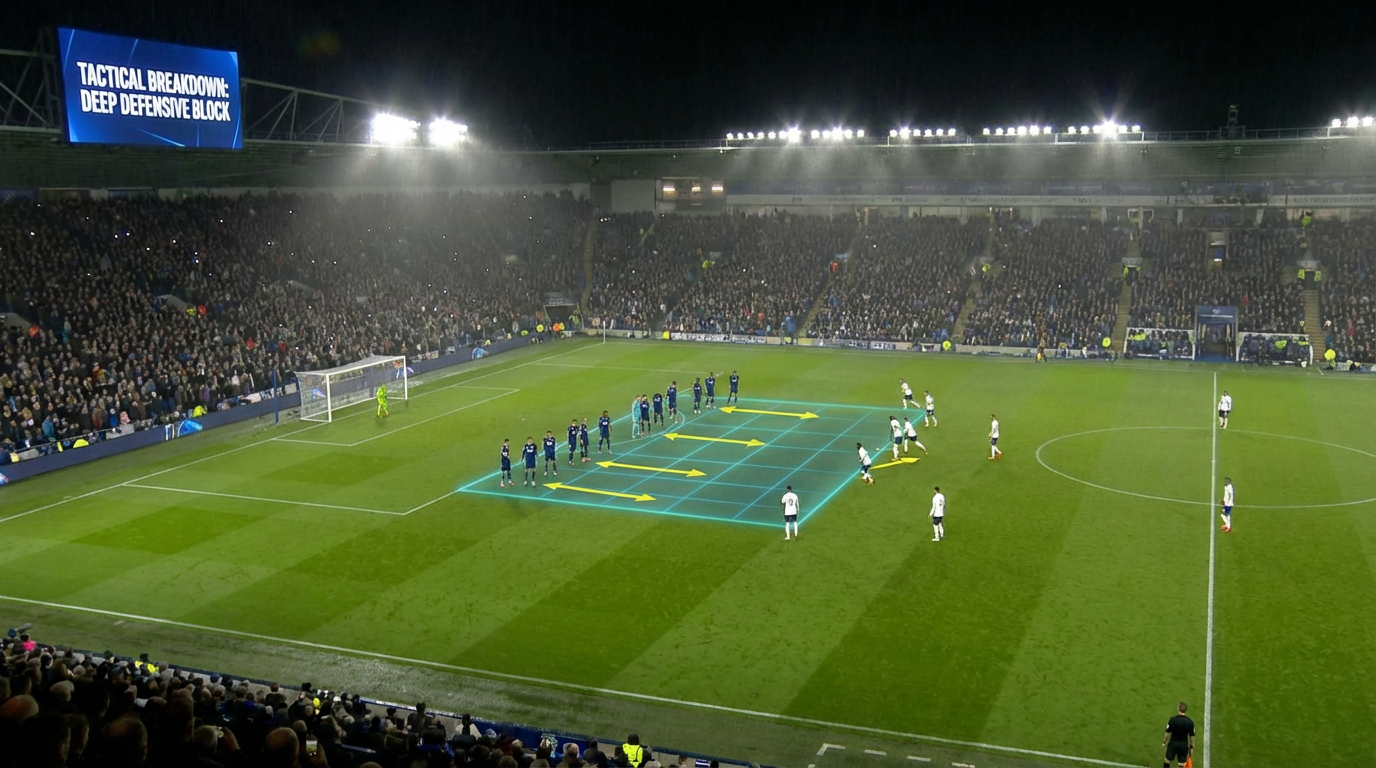
A compact defensive shape allows teams to control space rather than chase the ball. When leading, teams often adopt:
- Narrow distances between lines
- Reduced vertical spacing
- Controlled pressing triggers
This structural discipline limits high-value chances against them and preserves energy.
2. Offensive Structure
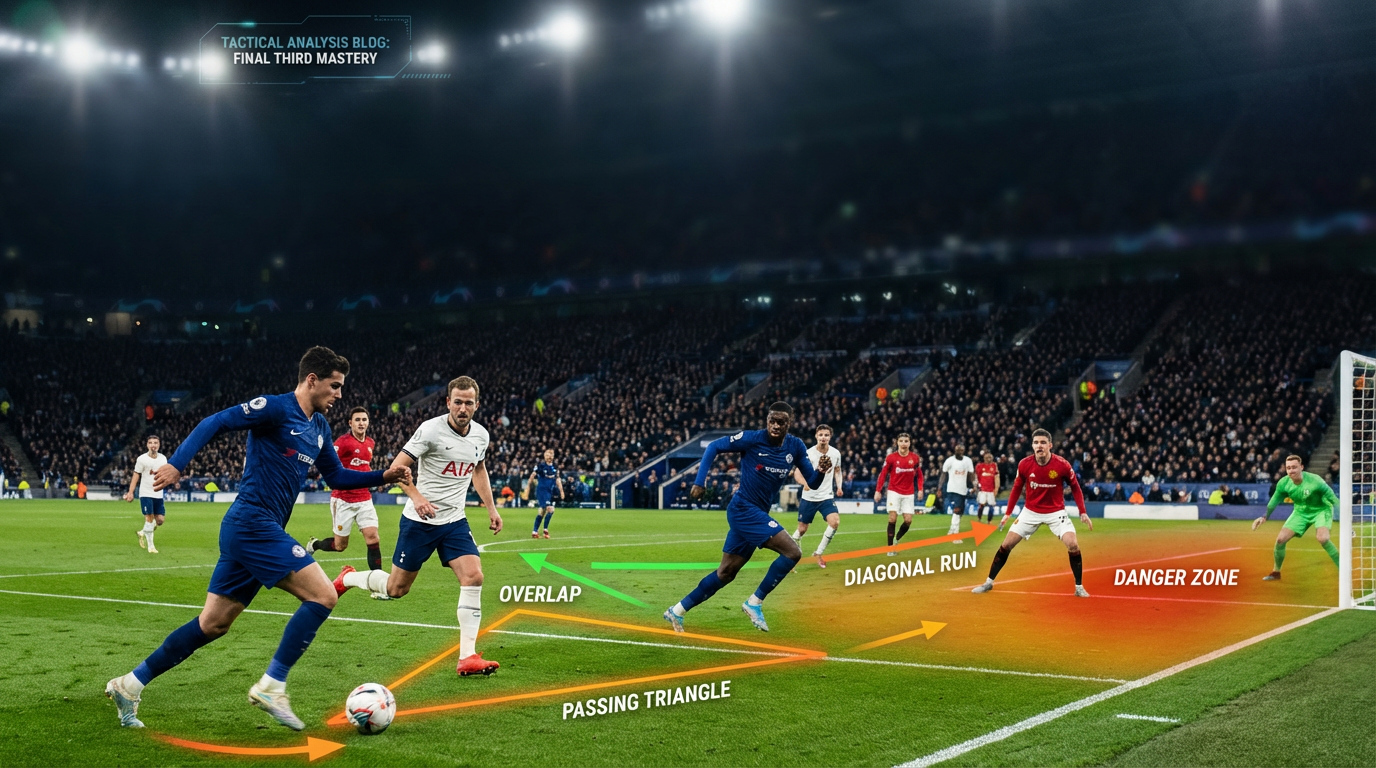
When in possession, structural spacing ensures:
- Width to stretch opponents
- Depth to threaten behind
- Central stability for ball circulation
Game management in possession often involves recycling the ball to maintain control rather than forcing low-percentage passes.
Tempo Regulation: The Art of Acceleration and Pause
One of the most sophisticated aspects of game management is tempo control. Elite teams understand when to accelerate and when to slow the game.
Slowing the Game
When protecting a lead, teams may:
- Increase lateral circulation
- Encourage longer possession sequences
- Reduce vertical risk
This frustrates opponents and decreases transitional vulnerability.
Increasing Tempo
When chasing a goal, acceleration becomes critical. Teams may:
- Press higher up the pitch
- Play more direct vertical passes
- Commit additional numbers forward
However, intelligent teams accelerate without sacrificing defensive balance.
Game States and Tactical Adjustments
Matches evolve through different game states. Scorelines heavily influence structure and risk tolerance.
Leading the Match
When ahead, teams prioritize:
- Defensive compactness
- Controlled counterattacks
- Strategic fouls to disrupt rhythm
Possession becomes a defensive tool. Rather than seeking constant penetration, the objective shifts to territorial control and risk minimization.
Trailing the Match
When behind, structure often becomes more aggressive:
- Fullbacks push higher
- Midfielders take advanced positions
- Defensive lines compress toward halfway
While this increases attacking potential, it also exposes space in transition. Game management at this stage requires balancing urgency with discipline.
Drawing Late in the Match
In tight contests, decision-making becomes psychological. Some teams push for victory; others preserve the draw. Structural clarity prevents panic-driven chaos in these moments.
Transition Control: The Hidden Battleground
Transitions—moments immediately after losing or regaining possession—are critical in game management.
Defensive Transitions
After losing the ball, immediate counter-pressing prevents opponents from exploiting disorganized shapes. Teams that maintain rest defense (players positioned behind the ball during attacks) reduce vulnerability.
Offensive Transitions
Quick vertical passes after ball recovery can destabilize opponents before they reorganize. However, reckless transitions risk turnover and exposure.
Managing transitions effectively requires structural foresight. Teams must anticipate potential loss of possession before it happens.
Spatial Control and Territorial Dominance
Game management is often about controlling territory rather than just possession. Dominating central zones reduces opponent progression routes.
Key structural principles include:
- Compact midfield triangles
- Staggered defensive lines
- Zonal occupation of half-spaces
Territorial control forces opponents into predictable wide areas, simplifying defensive responsibilities.
Psychological Components of Structure
Game management is not purely tactical; it is psychological. Structured teams transmit composure. Disorganized teams transmit anxiety.
When under pressure:
- Clear passing lanes reduce panic
- Compact defensive spacing prevents desperation tackles
- Defined roles increase decision clarity
Structure provides cognitive stability. Players operate within understood parameters, reducing impulsive actions.
Set-Piece Management
Set pieces are critical moments of controlled structure. Late in matches, corners and free kicks become decisive.
Effective game management during set pieces involves:
- Organized marking schemes
- Clear second-ball responsibilities
- Strategic time usage
Teams protecting a lead may take calculated time before restarts, slowing momentum while remaining within regulations.
Substitutions and Structural Adaptation
Coaches influence game management through substitutions. Changes are not merely physical replacements but structural recalibrations.
For example:
- Introducing a defensive midfielder to protect central zones
- Adding a target forward for aerial presence
- Switching from a 4-3-3 to a 5-4-1 for defensive stability
Substitutions reflect contextual awareness. Successful managers anticipate momentum shifts before they fully materialize.
Pressing Strategy and Energy Distribution
Sustained high pressing is physically demanding. Game management includes energy allocation.
Teams may:
- Press intensely in short bursts
- Drop into mid-block phases
- Re-engage high press after tactical resets
This cyclical pressing structure conserves energy while maintaining strategic unpredictability.
Risk Management and Decision Hierarchy
Game management fundamentally concerns risk calculation. Not all risks are equal; some are situationally justified.
Decision hierarchy includes:
- Secure central zones before advancing wide.
- Avoid high-risk passes in defensive third when leading.
- Prioritize compactness during opponent overloads.
Teams that understand risk hierarchy rarely concede avoidable goals.
Case Study Framework for Analysis
When analyzing a match through the lens of game management and structure, consider:
- How did the team adjust after scoring?
- Did defensive spacing change under pressure?
- Were substitutions structurally coherent?
- How effectively were transitions controlled?
- Did tempo shifts reflect deliberate strategy?
These questions reveal whether a team controlled the match or merely reacted to it.
The Role of Leadership on the Pitch
Captains and experienced players play a crucial role in maintaining structural discipline. Communication ensures alignment across units.
Leadership manifests through:
- Organizing defensive lines
- Slowing restarts strategically
- Directing pressing triggers
Structured leadership reinforces tactical instructions in real time.
Data-Driven Evaluation of Game Management
Modern analytics assist in measuring structural effectiveness.
Metrics include:
- Possession retention under pressure
- Pass completion in defensive third
- Transition recovery speed
- Expected goals conceded after leading
Data contextualizes performance beyond subjective observation.
Balancing Control and Creativity
While structure is essential, excessive rigidity can stifle creativity. Elite teams maintain foundational organization while allowing individual expression in advanced zones.
Game management does not eliminate attacking ambition—it channels it intelligently. Structured creativity ensures risk is taken where reward justifies exposure.
Conclusion
Football match analysis of game management and structure reveals the intricate mechanisms that underpin sustained success. Tactical organization provides the foundation, but contextual intelligence determines application.
Teams that master tempo regulation, spatial control, transition discipline, and risk hierarchy consistently outperform opponents. They do not merely react to the game—they shape it.
In high-level football, structure is stability, and game management is control. Together, they form the strategic architecture of winning performances.