In elite football, defensive organization is no longer defined merely by last-ditch tackles or heroic clearances. Modern success depends on collective structure, spatial discipline, coordinated pressing, and intelligent decision-making under sustained pressure. Defensive shape—the compact alignment and spacing of players when out of possession—often determines whether a team withstands attacking waves or collapses under them.
From knockout battles in the UEFA Champions League to the intensity of the FIFA World Cup, defensive resilience under pressure has separated champions from contenders. This article explores the tactical foundations of defensive shape, the psychology of pressure management, structural adjustments, pressing traps, and late-game survival strategies that define high-level competition.
Understanding Defensive Shape: Structure Before Reaction
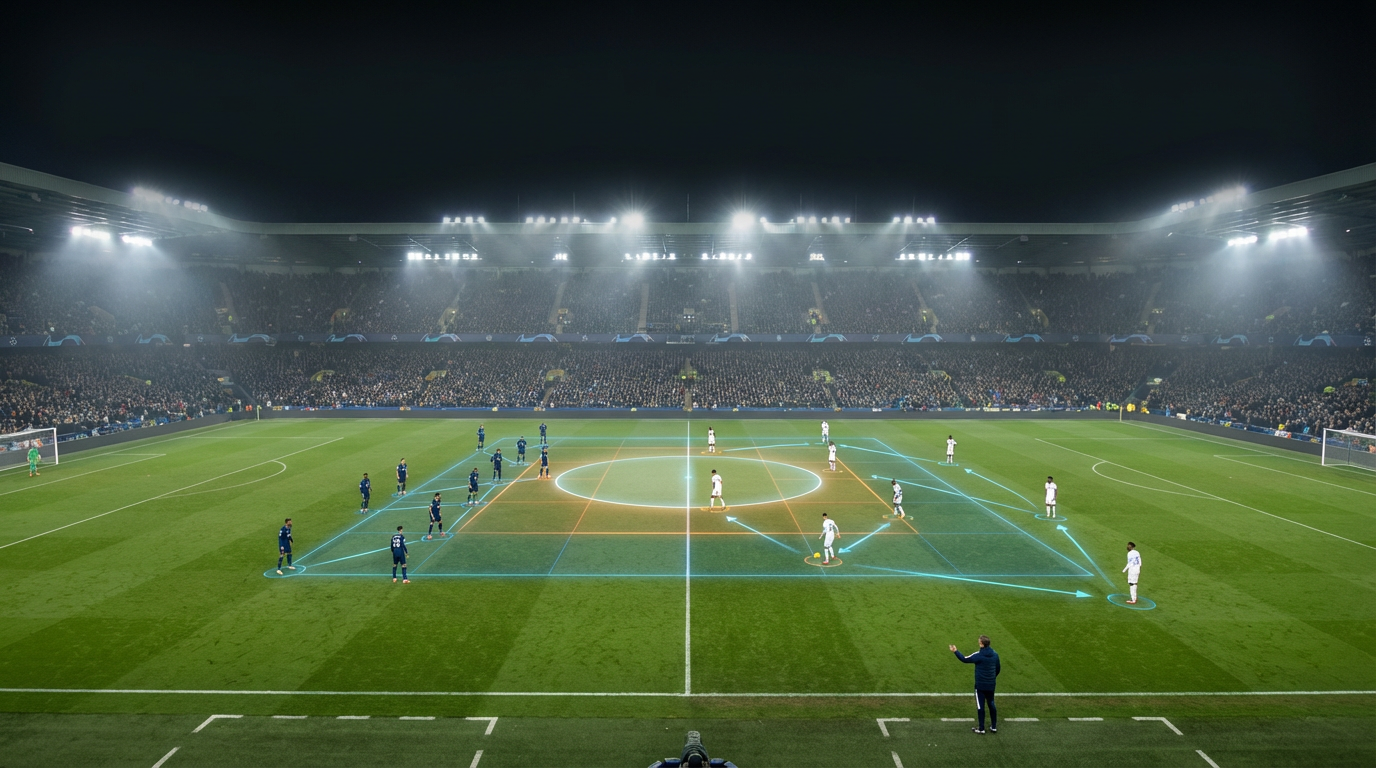
Defensive shape refers to the positioning and spacing of players when the opposition controls possession. It is proactive rather than reactive. Teams train to maintain:
- Compact horizontal spacing
- Controlled vertical distance between lines
- Clear pressing triggers
- Defined coverage responsibilities
A well-organized defensive structure reduces the opponent’s options before individual duels even occur.
Managers like Diego Simeone and José Mourinho have built tactical identities around compact defensive systems. Their teams prioritize discipline over possession, forcing opponents into low-percentage attacking zones.
Compactness: The Core Principle
Defensive compactness operates in two dimensions:
Horizontal Compactness
Defensive units narrow the space between players laterally, preventing central penetration. By forcing the ball wide, teams:
- Reduce through-ball opportunities
- Limit shooting angles
- Increase crossing frequency
Crosses, statistically, have lower scoring probabilities than central cutbacks or penetrative passes.
Vertical Compactness
Maintaining close distance between defensive, midfield, and attacking lines prevents opponents from exploiting gaps between the lines. Excessive vertical separation allows attacking midfielders to receive and turn freely.
Under sustained pressure, maintaining vertical discipline becomes physically demanding. Fatigue often leads to line stretching—an early warning sign of structural collapse.
Defensive Blocks: Low, Mid, and High
Teams adopt varying defensive block heights depending on strategy.
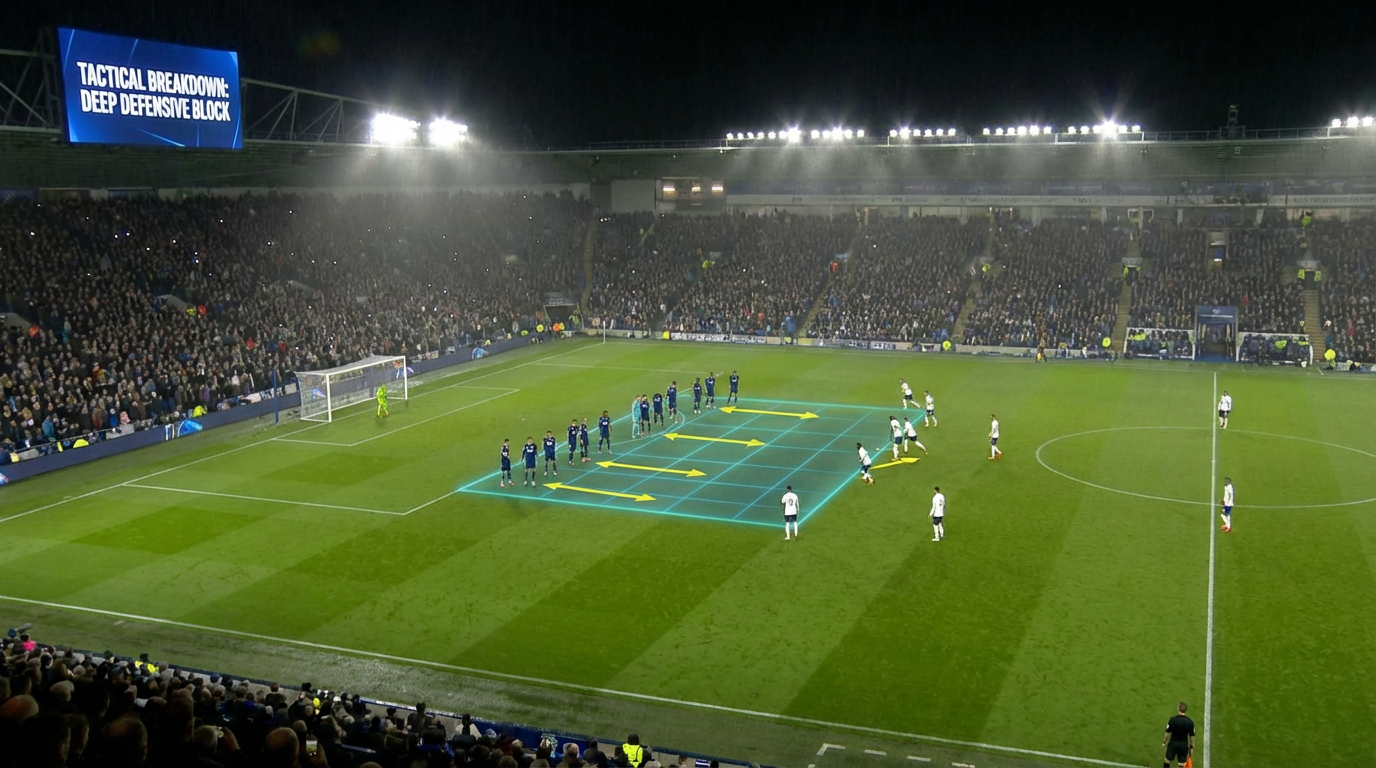
Low Block
A low block positions the defensive line near the penalty area. Its characteristics include:
- Deep defensive line
- Narrow midfield support
- Prioritization of central zone protection
This approach invites possession but denies high-value scoring zones. It requires patience, aerial dominance, and resilience.
Mid Block
The mid block engages opponents in the middle third. It balances:
- Controlled pressing
- Central protection
- Transitional readiness
Many elite teams favor this structure because it preserves compactness while enabling counterattacks.
High Press
High pressing aims to recover possession near the opponent’s goal. However, under pressure from skilled build-up teams, pressing lines can be bypassed, exposing defensive vulnerabilities.
Selecting the appropriate block depends on tactical identity, opponent quality, and match context.
Defensive Shape During Build-Up Pressure
When facing structured build-up from possession-dominant teams, defensive shape must adapt dynamically.
Coaches such as Pep Guardiola have refined positional build-up systems designed to stretch defensive lines. To counter this:
- Wingers track inverted full-backs
- Midfielders screen passing lanes
- Strikers initiate curved pressing runs
Defensive shape under such conditions demands coordinated movement rather than individual pressing impulses. One mistimed step can open central corridors.
Pressing Traps Under Pressure
Defensive shape is not passive containment—it often includes strategic pressing traps.
Common pressing triggers include:
- Backward passes toward center-backs
- Poor body orientation upon receiving
- Touchline confinement
By guiding play toward predictable zones, defenders can compress space and regain possession collectively.
However, pressing under pressure requires collective commitment. If one player presses without support, the structure fractures.
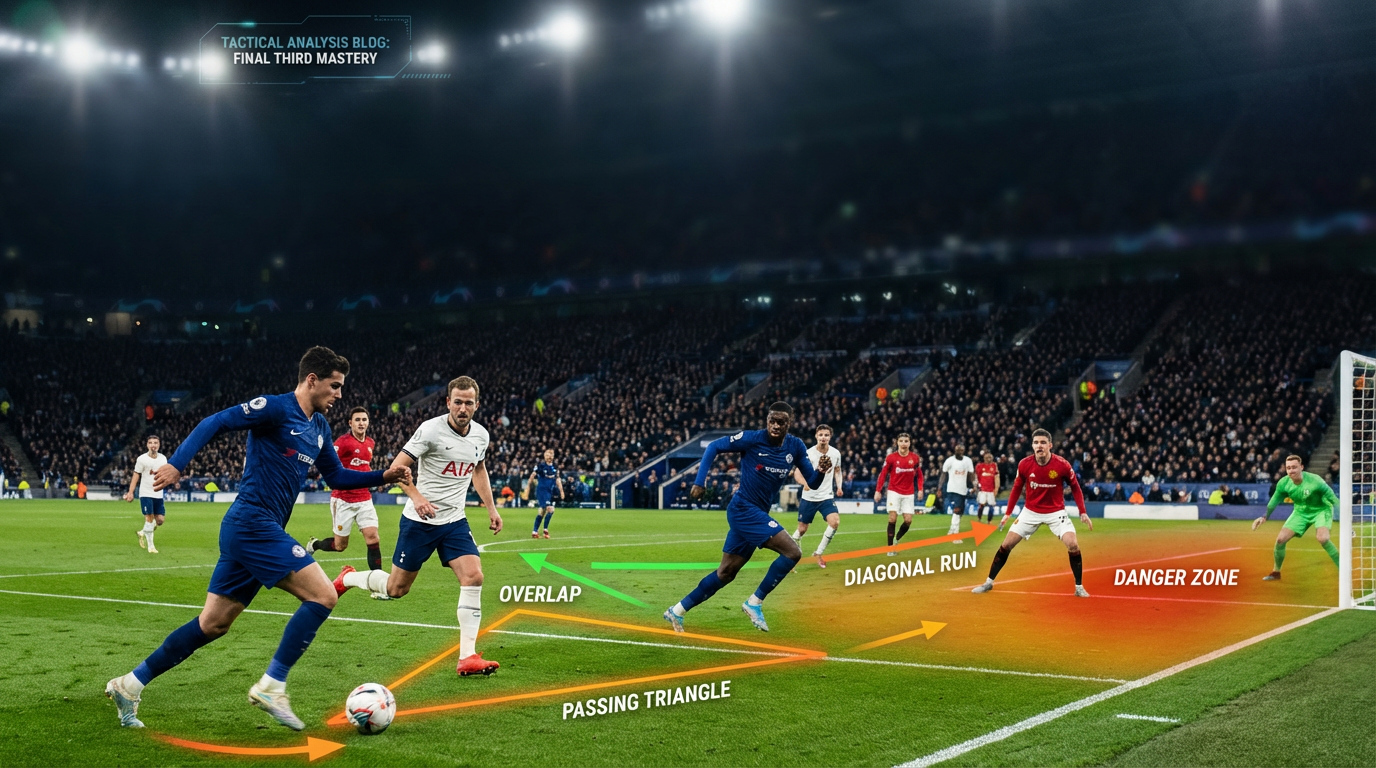
Managing Wide Overloads
Modern attacking systems often attempt to overload wide areas to stretch compact blocks.
To defend wide overloads effectively:
- Full-backs receive immediate midfield support
- Weak-side defenders shift centrally
- Far-side wingers tuck in to maintain compactness
The defensive line must shift as a synchronized unit. Delayed lateral movement creates crossing windows or cutback lanes.
High-level defensive systems function almost elastically—expanding and contracting without losing structural coherence.
Defensive Shape in Transitional Moments
The most dangerous defensive phase often occurs immediately after possession is lost.
Defensive Transition
Upon losing the ball, players must:
- Collapse centrally
- Block vertical passing lanes
- Prevent direct counterattacks
Midfielders serve as the first defensive shield. If bypassed, center-backs face numerical disadvantage.
Teams that defend transitions effectively minimize the need for emergency defending.
Psychological Discipline Under Sustained Pressure
Sustained pressure tests mental resilience as much as tactical organization.
Repeated defensive phases can lead to:
- Decision fatigue
- Positional indiscipline
- Overcommitment to duels
Experienced teams manage pressure by maintaining communication and clear role distribution.
Under high-stakes conditions in competitions like the English Premier League, defensive lapses often arise from momentary psychological breakdown rather than structural flaws.
Role of the Defensive Midfielder
The defensive midfielder plays a pivotal role in preserving shape under pressure.
Responsibilities include:
- Screening central channels
- Tracking late runners
- Supporting full-backs in overload situations
- Intercepting cutbacks
When this role functions effectively, defensive lines maintain composure. When overwhelmed, central defenders are forced into reactive positioning.
Set-Piece Defense Under Pressure
Pressure frequently culminates in set pieces.
Defensive organization during corners and free kicks demands:
- Clear zonal or man-marking assignments
- Strong aerial presence
- Effective second-ball coverage
Under fatigue, set-piece discipline becomes fragile. Concentration errors often determine outcomes in tightly contested matches.
Tactical Adjustments to Relieve Pressure
Managers must recognize when defensive shape requires recalibration.
Adjustments may include:
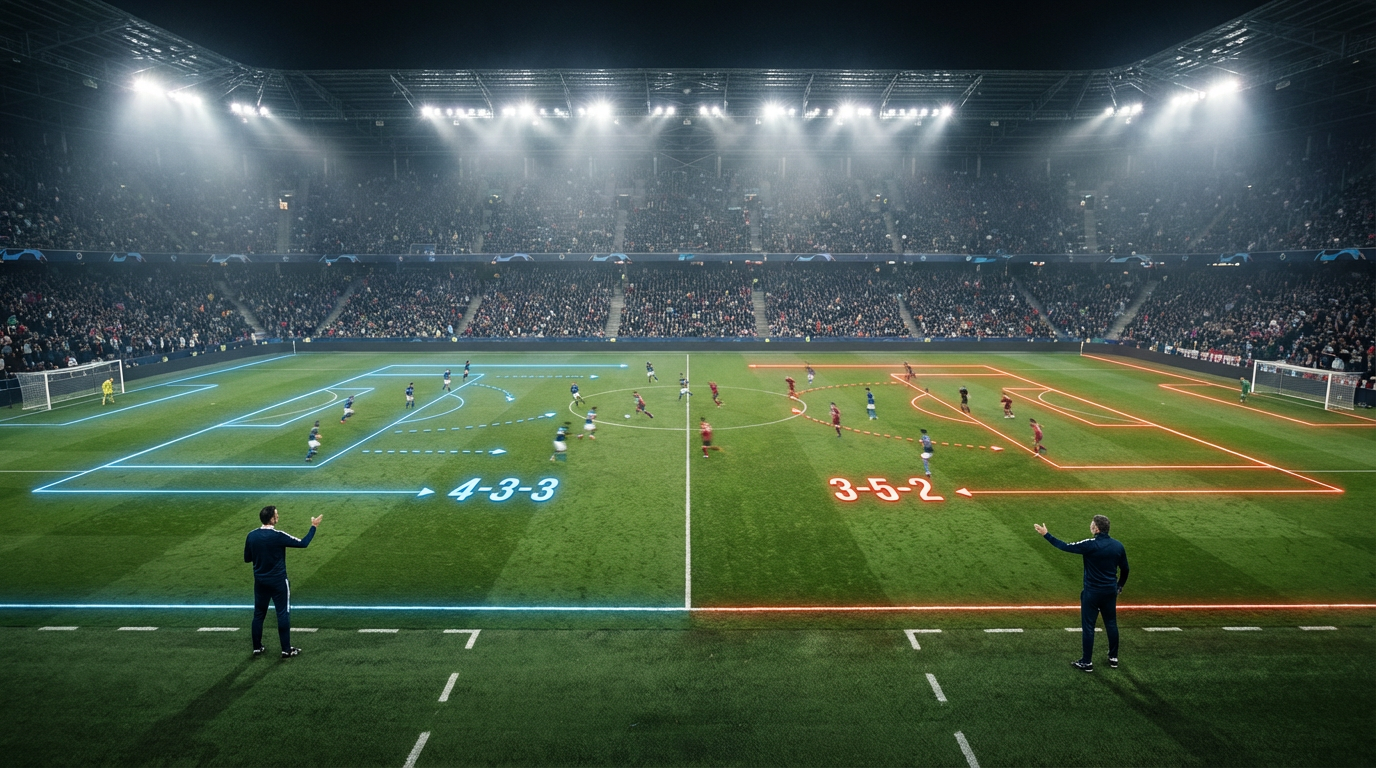
- Switching to a back five for additional width coverage
- Introducing a physically dominant midfielder
- Lowering defensive line to reduce space behind
- Instructing attackers to hold possession longer
These changes aim to restore structural balance and slow opponent momentum.
Adaptability often determines survival during extended defensive phases.
Final 15 Minutes: Structural Integrity Under Fatigue
As matches enter closing stages, physical exhaustion amplifies tactical risk.
Common defensive breakdowns include:
- Increased vertical spacing
- Delayed pressing triggers
- Miscommunication on overlapping runs
Maintaining compactness becomes exponentially harder. Teams that preserve structure during this phase frequently secure narrow victories.
Game management under pressure is not merely about time-wasting—it is about spatial control and risk minimization.
Case Study Insights: Why Defensive Shape Decides Outcomes
In elite knockout matches, margins are razor-thin. Defensive resilience often determines progression.
Consider typical high-stakes scenarios:
- Protecting a one-goal advantage
- Surviving final-minute corner sequences
- Managing numerical disadvantage after a red card
In each case, structural discipline outweighs individual brilliance.
Defensive shape under pressure reflects preparation, communication, and collective trust.
Conclusion: The Architecture of Resilience
Football’s most dramatic moments often stem from attacking brilliance, yet victories are frequently built on defensive architecture. Defensive shape under pressure embodies tactical intelligence, mental resilience, and coordinated execution.
It is not the number of tackles that defines defensive excellence but the ability to deny space, manage tempo, and force opponents into low-percentage decisions.
From compact blocks and pressing traps to transitional discipline and late-game composure, defensive shape transforms chaos into control.
The next time you watch a match, observe how teams compress space when defending. Notice the distance between lines, the timing of pressing triggers, and the lateral shifting of defenders. Within those subtle movements lies the invisible framework of resilience—the foundation upon which championships are built.