In modern football, results are rarely decided by chance alone. While moments of brilliance and individual errors often dominate headlines, the true story of a match usually lies beneath the surface—within tactical structures, subtle positional adjustments, pressing triggers, and managerial decisions. Every elite-level contest is a chess match played at high speed, where small strategic tweaks can shift momentum and ultimately determine the outcome.
This in-depth analysis explores the tactical moments that shape football matches, examining how formations, pressing systems, transitions, substitutions, and psychological factors combine to influence results. Whether at the level of the UEFA Champions League, domestic leagues like the English Premier League, or international tournaments such as the FIFA World Cup, tactical mastery remains the defining feature of modern football.
1. Pre-Match Tactical Blueprint: Setting the Foundation
Before the first whistle, managers design detailed game plans tailored to exploit opposition weaknesses. Modern coaches such as Pep Guardiola, Jürgen Klopp, and Carlo Ancelotti have built reputations on meticulous preparation.
Formation as a Tactical Statement
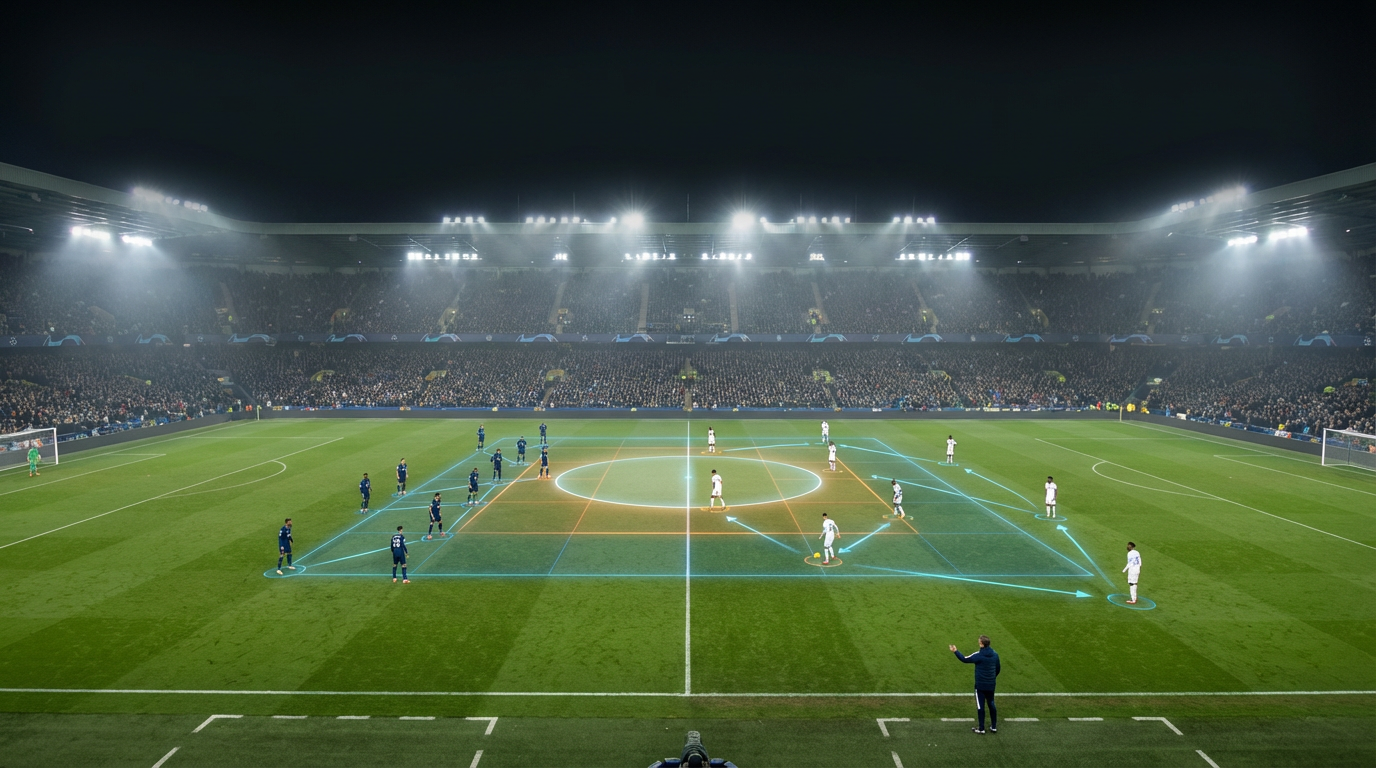
Formations communicate intent. A 4-3-3 often signals attacking width and high pressing. A 3-5-2 suggests central dominance and wing-back overloads. A 4-2-3-1 offers structural balance between attack and defensive stability.
However, formations on paper rarely reflect in-game reality. Teams morph into different shapes in possession and without the ball. A 4-3-3 might transform into a 2-3-5 during build-up, pushing full-backs high and compressing the opposition.
The first tactical moment often occurs within the opening 10 minutes. If one team’s structure overwhelms the other—through midfield overloads or aggressive pressing—the tone of the match is set early.
2. Pressing Triggers: The Battle Without the Ball
Pressing has become a defining feature of modern football. Klopp’s “gegenpressing” philosophy demonstrated how regaining possession immediately after losing it can create instant scoring opportunities.
Identifying Pressing Triggers
Pressing is not random. It is activated by specific cues:
- A poor first touch by a defender
- A backward pass under pressure
- The ball being forced to the weaker foot
- Play directed toward the touchline
These triggers compress space and force mistakes. One well-timed pressing trap can lead to a decisive goal.
For example, forcing an opponent into a central turnover just outside their penalty area can create high-value scoring chances. Tactical discipline in pressing often separates organized teams from reactive ones.
3. Midfield Control: Winning the Central Corridor
Matches are frequently decided in midfield. Control of the central corridor determines tempo, defensive security, and attacking creativity.
Numerical Superiority
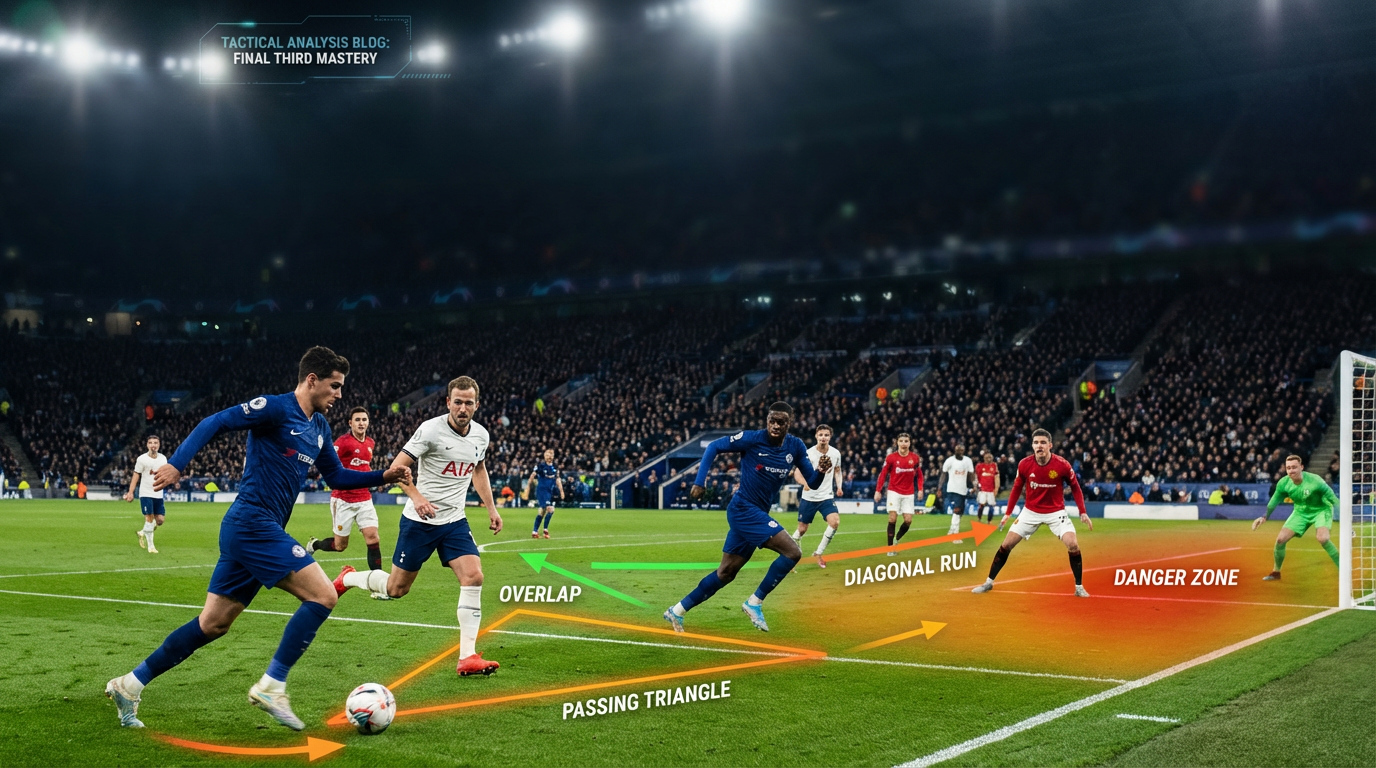
If Team A plays with three central midfielders against Team B’s double pivot, the overload can create passing triangles and break defensive lines. Conversely, a double pivot might offer superior defensive coverage against counterattacks.
Midfield battles often hinge on:
- Positional awareness
- Rotational movement
- Ability to break lines with progressive passes
- Tactical fouling to disrupt transitions
The turning point in many matches comes when one side establishes midfield dominance, limiting the opponent’s passing options and dictating tempo.
4. Defensive Compactness vs. Attacking Width
One of football’s fundamental tactical duels lies between compact defending and expansive attacking.
Compact Defensive Blocks
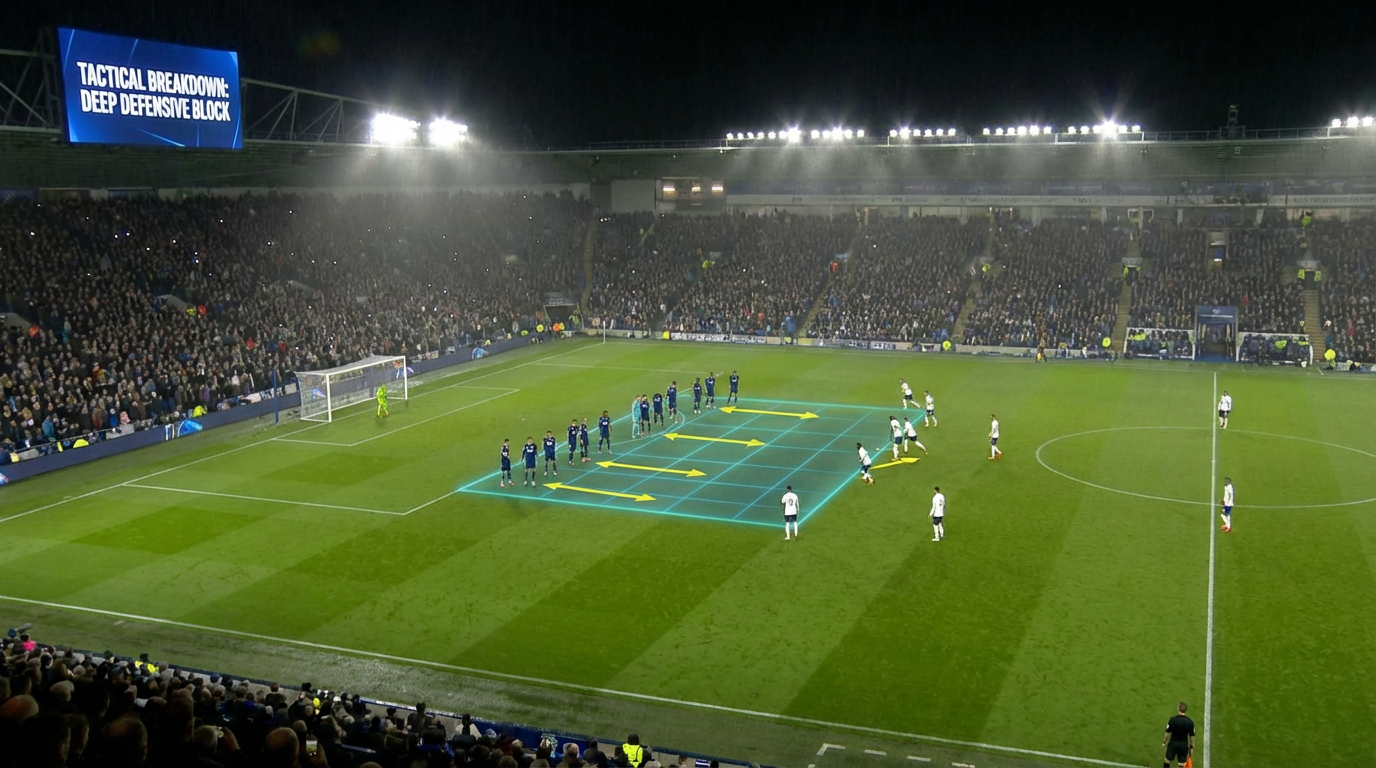
Low-block systems compress space between defensive lines, forcing opponents wide. Teams defending deep prioritize:
- Narrow back lines
- Reduced vertical spacing
- Protection of central zones
This structure invites crosses but denies central penetration.
Stretching the Defense
Attacking teams respond by:
- Overloading wide areas
- Isolating full-backs
- Switching play rapidly
Quick switches of play can expose defensive blocks before they shift laterally. A single well-timed diagonal ball can destabilize compact systems and create decisive opportunities.
5. Transitional Moments: Where Games Are Won
Transitions—moments immediately after possession changes—are among the most decisive phases of a match.
Offensive Transition
When possession is regained, the first three seconds are critical. Players must:
- Identify forward passing lanes
- Exploit defensive imbalance
- Attack space before the opponent resets
Fast transitions often catch defenders out of shape, leading to high-quality chances.
Defensive Transition
Equally important is defensive transition. Teams that counter-press immediately after losing the ball prevent opponents from launching dangerous attacks.
Many goals in elite competitions come from transitional chaos rather than sustained build-up.
6. Tactical Adjustments at Halftime
Halftime provides managers an opportunity to recalibrate.
Consider a scenario where a team struggles against high pressing. The coach may:
- Drop a midfielder deeper to form a back three
- Instruct the goalkeeper to play long
- Switch to a more direct approach
Subtle structural shifts often change momentum.
Elite managers excel at in-game adaptability. Guardiola, for instance, frequently adjusts positional structures mid-match, creating unexpected overloads.
A halftime tweak—such as inverting a full-back into midfield—can transform control dynamics.
7. The Impact of Substitutions
Substitutions are not merely about fresh legs—they are tactical tools.
Role-Specific Substitutions
- Introducing pace to exploit tiring defenders
- Adding aerial presence for crosses
- Reinforcing midfield control
- Switching to a back five to protect a lead
Timing matters. A substitution in the 60th minute may shift energy levels, while a late defensive change signals game management.
Some of the most dramatic football moments in tournaments like the FIFA World Cup have resulted from decisive substitutions.
8. Set Pieces: Margins of Precision
Set pieces often determine tightly contested matches.
Modern teams dedicate extensive training to:
- Corner routines
- Blocking movements
- Zonal vs. man marking systems
- Near-post flick strategies
A well-executed corner routine can bypass open-play dominance.
Free kicks also present tactical nuance—decoy runners, disguised deliveries, and coordinated movements create confusion.
In high-stakes matches, a single set-piece moment can outweigh 90 minutes of structured play.
9. Psychological and Tactical Interplay
Football is both mental and tactical.
A team conceding early may abandon its game plan. Emotional reactions can disrupt tactical discipline.
Conversely, scoring can embolden pressing intensity and risk-taking.
Momentum shifts are often psychological responses to tactical success or failure.
Experienced teams maintain structure regardless of scoreline—an attribute often seen in Champions League winners.
10. Game Management in the Final 15 Minutes
The closing phase introduces a distinct tactical dimension.
Protecting a Lead
Teams may:
- Drop defensive lines deeper
- Slow tempo
- Prioritize possession retention
- Commit tactical fouls to break rhythm
Chasing the Game
Trailing teams:
- Increase verticality
- Commit additional players forward
- Risk exposure on counterattacks
The final 15 minutes frequently become transitional battles, with fatigue amplifying tactical errors.
Case Study Perspective: Why Tactical Moments Matter
Consider elite matches in competitions like the UEFA Champions League. The difference between victory and defeat often hinges on:
- One pressing trap
- One midfield overload
- One halftime structural tweak
- One decisive substitution
- One perfectly executed set piece
The margin for error is minimal.
At this level, players execute complex systems under immense pressure. Tactical awareness becomes instinctive, and preparation meets opportunity.
Conclusion: The Invisible Architecture of Victory
Football’s beauty lies in its unpredictability—but beneath every dramatic finish lies a web of calculated decisions.
Tactical moments do not always appear dramatic in real time. A subtle positional rotation, a slight pressing adjustment, or a well-timed substitution may pass unnoticed by casual observers. Yet these details often define outcomes.
In modern football, winning is rarely accidental. It is engineered through structure, adaptability, discipline, and intelligence.
The next time you watch a match, look beyond the goals. Observe the shape during build-up, the pressing triggers, the midfield spacing, and the substitutions. Within those tactical layers lies the true story of the game—the invisible architecture that shapes victory and defeat.