In modern football, dominance is rarely defined solely by possession percentages or the number of goal-scoring opportunities created. Instead, control of the midfield and manipulation of tempo often determine whether a team dictates the rhythm of a match or reacts to it. The central corridor of the pitch is the strategic heart of football—a dynamic battleground where tactical intelligence, spatial awareness, and technical execution converge.
From elite European nights in the UEFA Champions League to the global stage of the FIFA World Cup, history consistently shows that the teams capable of mastering midfield control and tempo management are those most likely to prevail. This article provides a comprehensive tactical breakdown of how midfield dominance shapes outcomes, examining structural systems, tempo variation, positional play, transitions, and strategic adjustments.
The Midfield as the Tactical Engine Room
Midfield is often referred to as the “engine room” of a football team, but that phrase only scratches the surface. The midfield operates as:
- A defensive shield in front of the backline
- A transitional bridge between defense and attack
- A creative hub for chance creation
- A tempo regulator controlling match rhythm
The balance between defensive stability and creative progression defines the quality of a midfield unit. When this balance is achieved, teams can compress space without the ball and expand it intelligently in possession.
Elite managers such as Pep Guardiola and Carlo Ancelotti have consistently emphasized central superiority. Their tactical systems revolve around numerical overloads and positional rotations that grant control in the most influential zone of the pitch.
Structural Superiority: Winning the Numbers Game
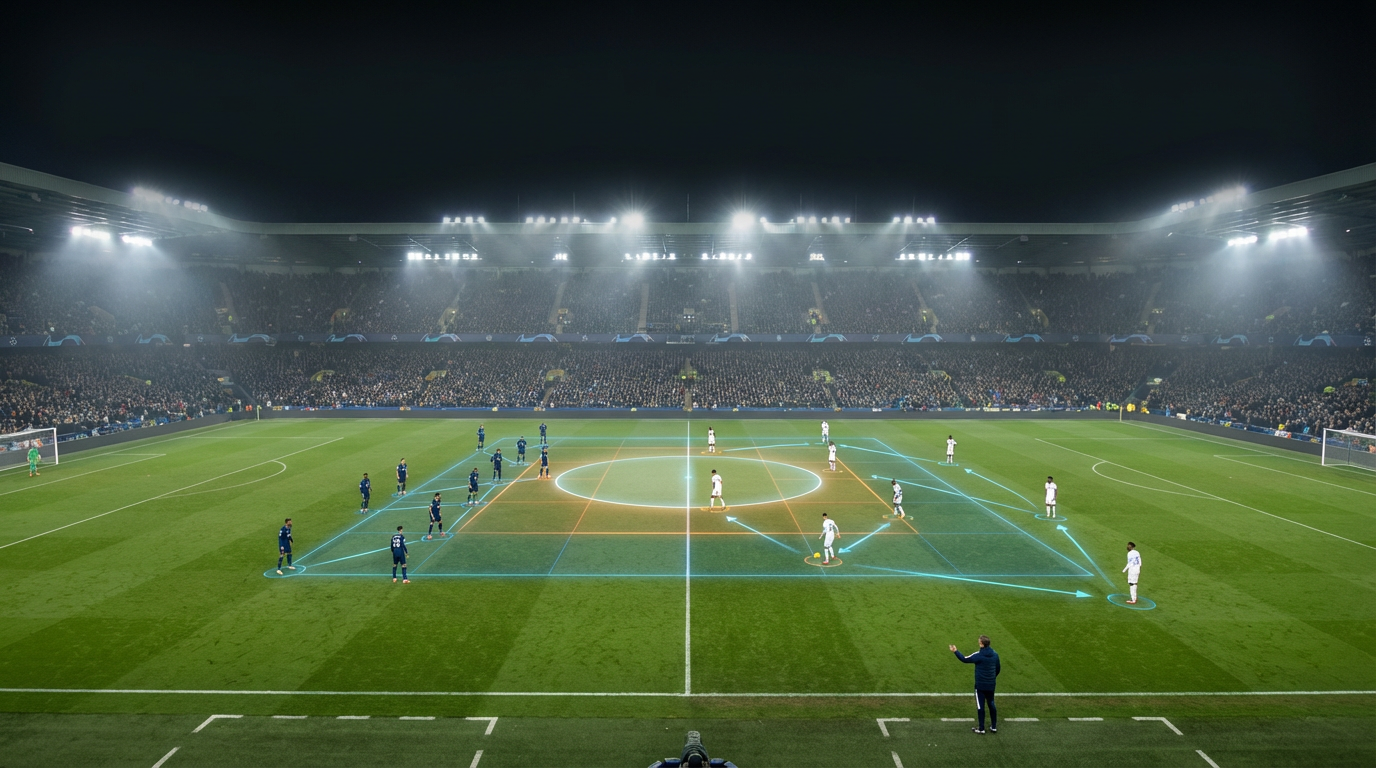
Midfield control often begins with formation design. Systems such as 4-3-3, 4-2-3-1, or 3-5-2 determine the number and role distribution of central players.
The Three-Man Midfield Advantage
A three-man midfield offers natural triangular passing lanes, enabling fluid ball circulation and press resistance. It provides:
- One holding midfielder anchoring the structure
- Two advanced interiors creating vertical connections
- Rotational flexibility during build-up
When facing a double pivot (two central midfielders), the three-man system can create overloads, forcing defensive midfielders into difficult coverage decisions.
The Double Pivot Structure
Conversely, a 4-2-3-1 double pivot provides defensive solidity. It protects against counterattacks and supports full-backs during defensive transitions. The trade-off often lies in reduced central progression unless the attacking midfielder drops deeper to create overloads.
Matches frequently pivot when one side gains numerical or positional superiority in midfield. Once passing lanes open consistently, tempo naturally shifts in favor of the controlling team.
Tempo as a Tactical Weapon
Tempo in football is not merely speed; it is the deliberate manipulation of rhythm.
Fast Tempo: Disruption and Verticality
High-tempo play aims to:
- Exploit transitional imbalance
- Stretch defensive structures
- Create numerical superiority before opponents reset
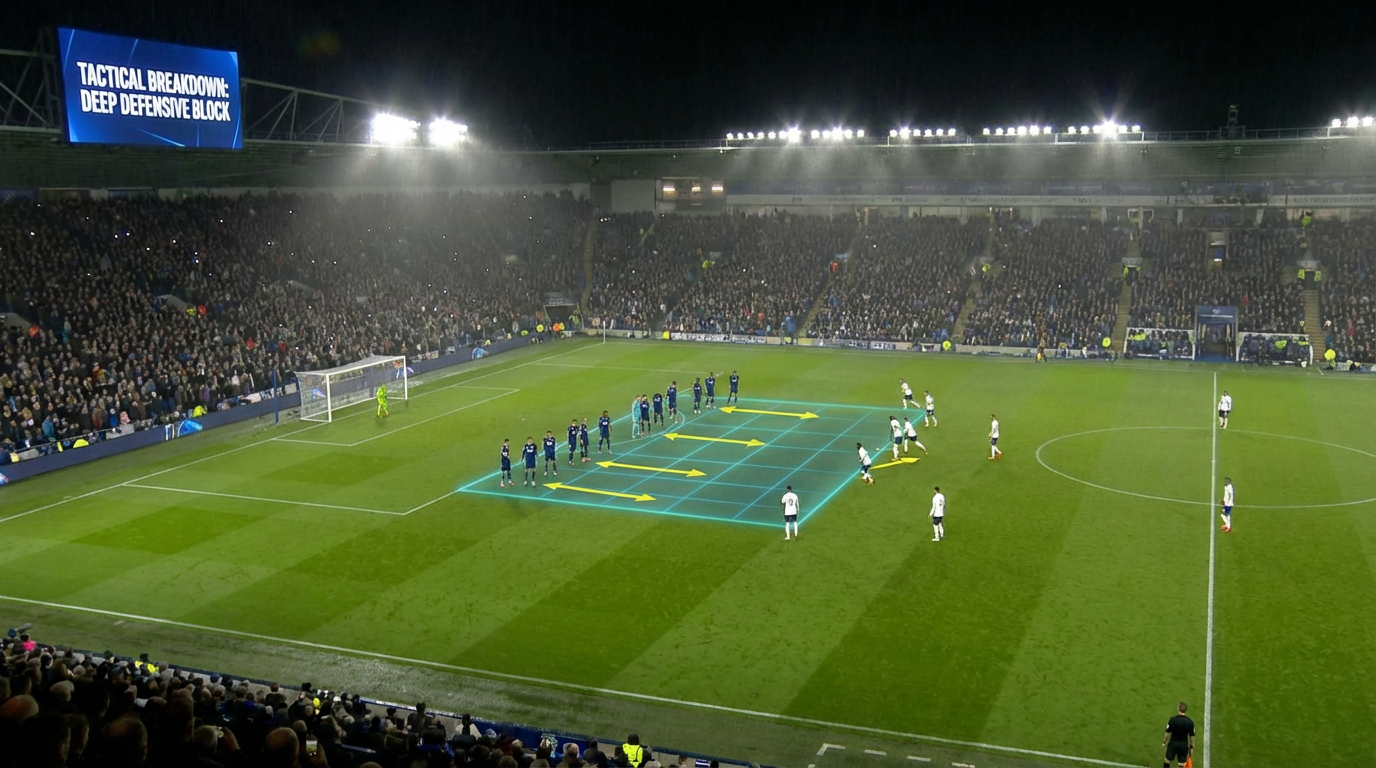
Quick one-touch passing, vertical progression, and aggressive off-ball movement define this approach. It is especially effective against compact defensive blocks that rely on structured positioning.
Slow Tempo: Control and Patience
Conversely, slow tempo play focuses on:
- Retaining possession
- Drawing opponents out of shape
- Managing game state
Slower build-up phases invite pressure before exploiting vacated space. Teams often reduce tempo after taking a lead, prioritizing structural discipline over risk.
The most tactically mature teams vary tempo intentionally. Sudden accelerations following controlled possession phases often create decisive openings.
Positional Play and Spatial Occupation
Modern midfield dominance relies heavily on positional discipline. The concept of “positional play” emphasizes occupying specific zones to maximize passing angles and maintain structural integrity.
Under Guardiola’s influence, teams frequently create a 2-3-5 attacking structure in possession, with midfielders rotating intelligently between lines. These rotations:
- Disorient defensive marking schemes
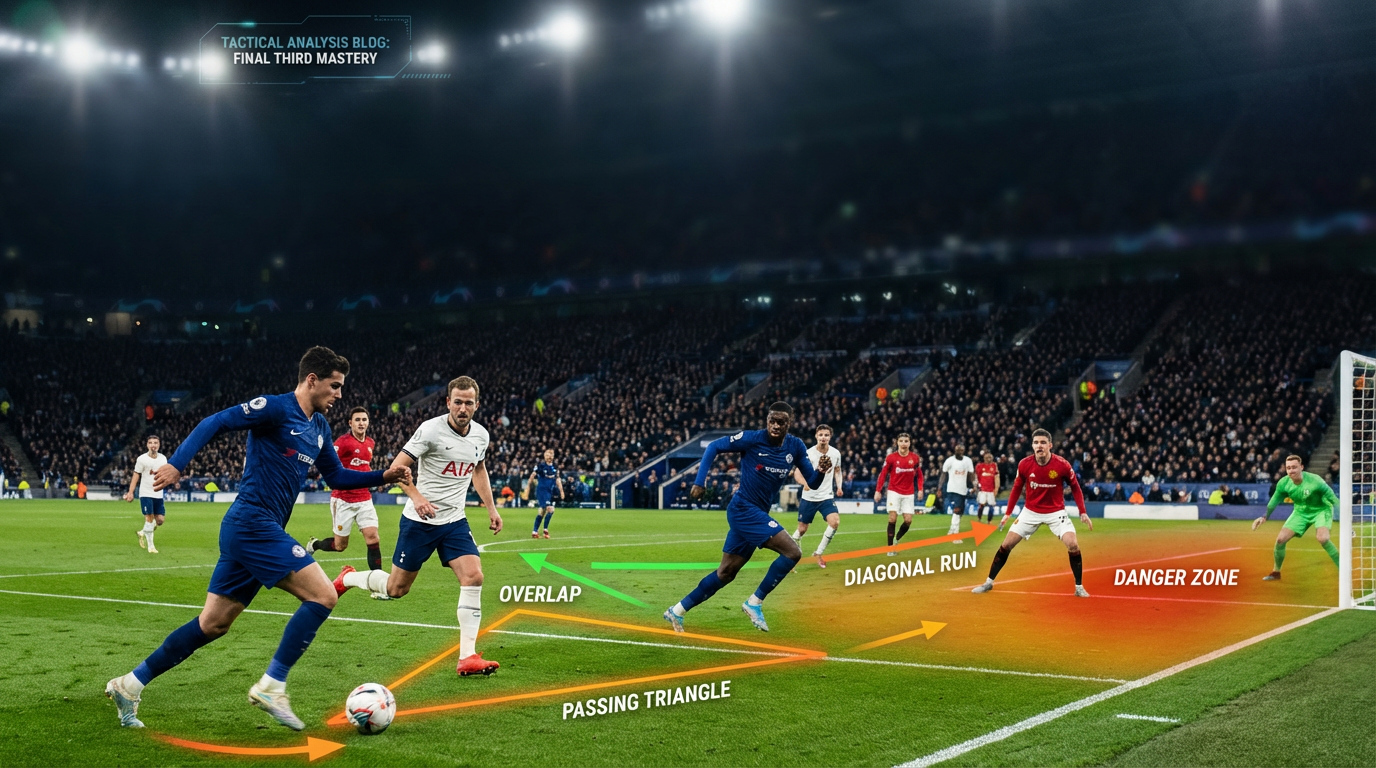
- Create passing triangles in tight spaces
- Generate overloads in half-spaces
Half-spaces—those channels between the wing and central corridor—have become strategically vital. Midfielders operating in these zones can turn and attack more effectively than in congested central areas.
Press Resistance: The Key to Sustained Control
Midfielders under pressure must possess technical composure and spatial awareness. Press resistance involves:
- Scanning before receiving
- Using body orientation to shield
- Playing progressive passes under duress
Teams that break opposition pressing structures through midfield often destabilize entire defensive systems. Once the first pressing line is bypassed, tempo can increase dramatically.
Press resistance is not purely technical—it is collective. Supporting angles, short passing options, and synchronized movement ensure that possession retention remains stable.
Defensive Midfield Anchors: The Tactical Stabilizers
The role of the defensive midfielder has evolved significantly. No longer limited to ball recovery, modern holding midfielders must also dictate tempo and initiate build-up play.
Their responsibilities include:
- Screening passing lanes
- Intercepting transitional passes
- Recycling possession efficiently
- Dropping between center-backs during build-up
When the defensive anchor performs effectively, the entire team structure gains balance. Conversely, if that player is overwhelmed, central control collapses quickly.
Transition Phases and Midfield Influence
Transitions represent the most volatile phase of a football match. Midfielders are central to both offensive and defensive transitions.
Offensive Transitions
Upon regaining possession, midfielders must immediately assess:
- Forward passing options
- Opposition defensive shape
- Numerical advantages
Quick vertical passes from central zones can exploit unstructured defenses. High-quality midfield vision turns turnovers into high-value scoring chances.
Defensive Transitions
When possession is lost, immediate counter-pressing is often initiated by midfield players. Their proximity to the ball makes them the first line of defensive response.
Successful counter-pressing compresses space and prevents tempo swings in favor of the opponent.
Tactical Adjustments and In-Game Control
Midfield battles rarely remain static throughout 90 minutes. Tactical adjustments often determine which side regains control.
Examples of midfield adjustments include:
- Dropping an attacking midfielder deeper to create overloads
- Introducing a more physical presence to win second balls
- Switching from zonal to man-oriented pressing
- Instructing full-backs to invert into central zones
Such adaptations are subtle yet transformative. Managers often use halftime to recalibrate pressing intensity or positional structure.
In high-profile competitions like the English Premier League, the ability to adjust midfield dynamics mid-game frequently separates top teams from contenders.
Psychological Control Through Tempo
Tempo also carries psychological implications.
A team that dominates possession and controls rhythm often imposes mental fatigue on opponents. Continuous defensive shifting drains concentration and energy.
Conversely, erratic tempo can unsettle even well-structured sides. Sudden vertical surges after prolonged calm build-up phases create cognitive dissonance in defensive units.
Midfielders who dictate tempo effectively not only control space but also influence emotional momentum.
Data-Driven Midfield Analysis
Modern football analytics provide deeper insight into midfield dominance. Key metrics include:
- Progressive passes
- Line-breaking passes
- Possession retention under pressure
- Defensive duels won
- Pressures applied
These metrics quantify tempo control and structural superiority. Teams with higher progressive pass counts from central zones typically demonstrate superior territorial advancement.
However, statistics must be contextualized. High possession without vertical penetration does not equate to effective control.
Game-State Management
Midfield control shifts according to game state.
Leading the Match
When protecting a lead, teams often:
- Reduce vertical risk
- Increase lateral ball circulation
- Drop defensive lines slightly deeper
- Prioritize compact spacing
Midfield becomes a stabilizing force rather than a creative hub.
Chasing the Match
Trailing teams increase tempo:
- Pushing midfield lines higher
- Committing additional players forward
- Reducing defensive safety margins
Such risk amplifies transition vulnerability but increases attacking frequency.
The Final 15 Minutes: Tempo Under Fatigue
As physical fatigue intensifies, midfield spaces expand. Tactical discipline becomes harder to maintain.
Teams that maintain structured spacing in the final phase often prevail. Intelligent tempo modulation—knowing when to accelerate and when to slow—defines composure under pressure.
Late-game control frequently determines tournament progression in knockout competitions.
Conclusion: The Strategic Core of Victory
Midfield control and tempo management represent the intellectual heart of modern football. Goals may decide scorelines, but midfield dominance often decides which team creates those goals.
From structural overloads and press resistance to psychological rhythm control and transitional awareness, the midfield functions as both shield and sword. Tactical nuance within this central corridor shapes every phase of play.
The next time you analyze a match, observe the central battle rather than focusing solely on attacking highlights. Watch the spacing between lines, the rhythm of passing sequences, the positioning of holding midfielders, and the timing of accelerations.
Within those patterns lies the hidden narrative of the game—the subtle yet decisive orchestration of control and tempo that transforms strategy into victory.