Modern football is no longer defined solely by talent, passion, or physical dominance. At the highest level of competition — whether in domestic leagues like the Premier League, continental tournaments such as the UEFA Champions League, or international events like the FIFA World Cup — success is driven by sophisticated strategic planning.
Football strategy today blends positional structure, data analytics, player specialization, pressing systems, transitional control, and psychological discipline. This article explores how team strategy has evolved in modern competitions and how elite clubs and national teams construct tactical frameworks capable of competing at the highest level.
1. The Evolution of Modern Football Strategy
The game has shifted from rigid formations to dynamic systems. While traditional structures like 4-4-2 once dominated, modern teams prioritize fluid positional play and spatial occupation.
Coaches such as Pep Guardiola, Jurgen Klopp, and Carlo Ancelotti have influenced strategic thinking in different ways:
- Guardiola emphasizes positional superiority and structured buildup.
- Klopp focuses on verticality and aggressive counter-pressing.
- Ancelotti balances structure with individual freedom.
The modern era demands adaptability. Static systems are easily decoded; dynamic strategies endure.
2. Positional Play and Spatial Control
One of the defining principles of modern strategy is spatial control. Teams seek superiority in specific zones of the pitch rather than simply dominating possession.
Key concepts include:
- Numerical Superiority – Outnumbering opponents in targeted areas.
- Positional Superiority – Placing players between defensive lines.
- Qualitative Superiority – Isolating stronger players in favorable matchups.
Clubs like Manchester City consistently use positional play to create central overloads while maintaining width through wingers.
By occupying half-spaces and staggering player positions vertically, teams ensure passing angles remain available under pressure.
3. Pressing Systems in Elite Competitions
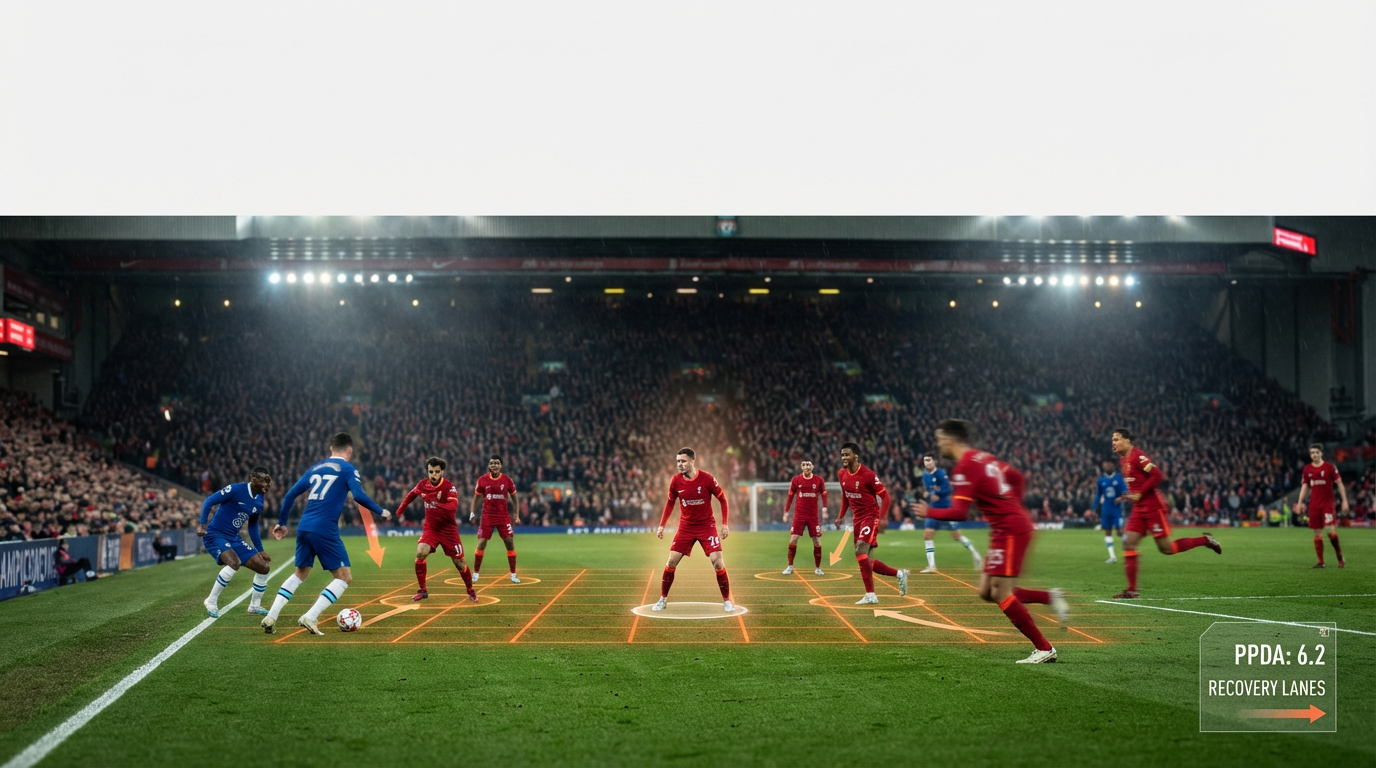
Pressing has become a strategic weapon rather than a situational tactic. In competitions where margins are narrow, forcing errors high up the pitch often determines outcomes.
High Press
Teams employing high press:
- Compress space near the opponent’s goal.
- Force hurried clearances.
- Create immediate scoring opportunities.
Klopp’s Liverpool FC during peak seasons exemplified this approach.
Mid-Block Structure
Other teams prefer controlled pressing in midfield zones, reducing exposure to long balls while protecting defensive depth.
Low Block Strategy
Defensive specialists such as Atletico Madrid demonstrate how disciplined low blocks can neutralize technically superior opponents.
Modern strategy recognizes pressing as a collective choreography requiring synchronization, not random aggression.
4. Tactical Flexibility Within Matches
In modern competitions, game states change rapidly. A team may dominate possession in one phase and defend deeply minutes later.
Strategic flexibility includes:
- Switching from back four to back five mid-game.
- Rotating midfielders to alter tempo.
- Adjusting pressing triggers based on opponent patterns.
For example, Real Madrid frequently transitions between structured buildup and rapid vertical attacks depending on opponent weaknesses.
The ability to shift shapes without losing cohesion defines elite tactical intelligence.
5. Transition Management: The Modern Battleground
Transitions are now considered the most decisive phase of football.
Offensive Transition
After winning possession:
- Vertical passes exploit defensive disorganization.
- Wingers attack open space.
- Midfielders arrive in staggered support.
Defensive Transition
After losing possession:
- Immediate counter-press limits opposition momentum.
- Defensive midfielders screen passing lanes.
- Central defenders maintain depth control.
Modern competitions reward teams that master both ends of transition with equal efficiency.
6. The Role of Data and Analytics
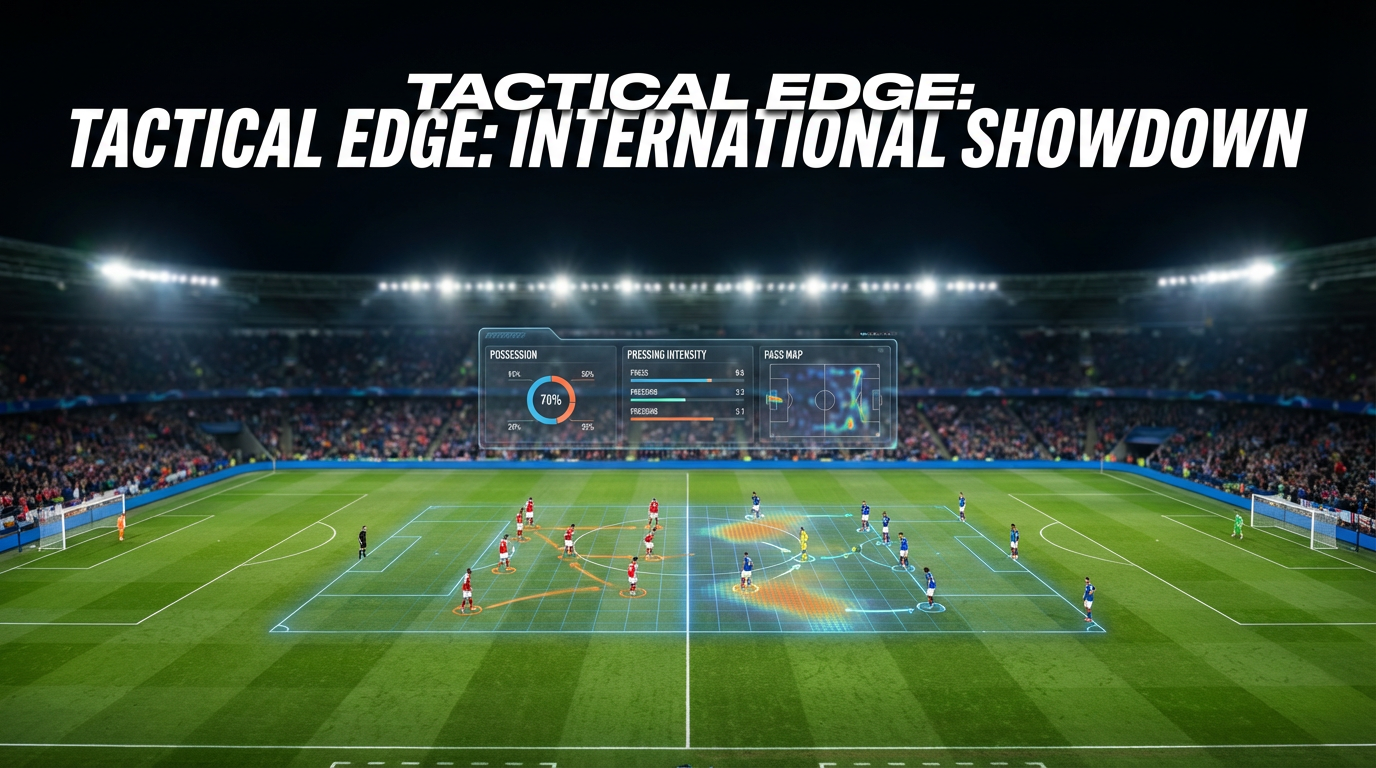
Strategic planning is no longer based purely on observation. Advanced analytics now influence decision-making.
Clubs evaluate:
- Expected Goals (xG)
- Progressive passes
- Defensive line height
- Press resistance metrics
Data helps identify structural weaknesses before opponents exploit them. However, numbers complement strategy — they do not replace tactical understanding.
The integration of analytics departments into coaching teams has reshaped preparation in competitions like the UEFA Champions League.
7. Squad Depth and Rotation Strategy
Modern competitions demand strategic squad management.
With congested schedules, teams must:
- Rotate without losing structural identity.
- Maintain physical freshness.
- Adapt to different opponent profiles.
The importance of squad depth became evident during seasons with expanded international calendars and intense domestic competition.
Strategic planning extends beyond matchday tactics — it encompasses season-long load management.
8. Defensive Organization in High-Stakes Matches
Knockout tournaments emphasize defensive resilience.
Strategic defensive priorities include:
- Protecting central channels.
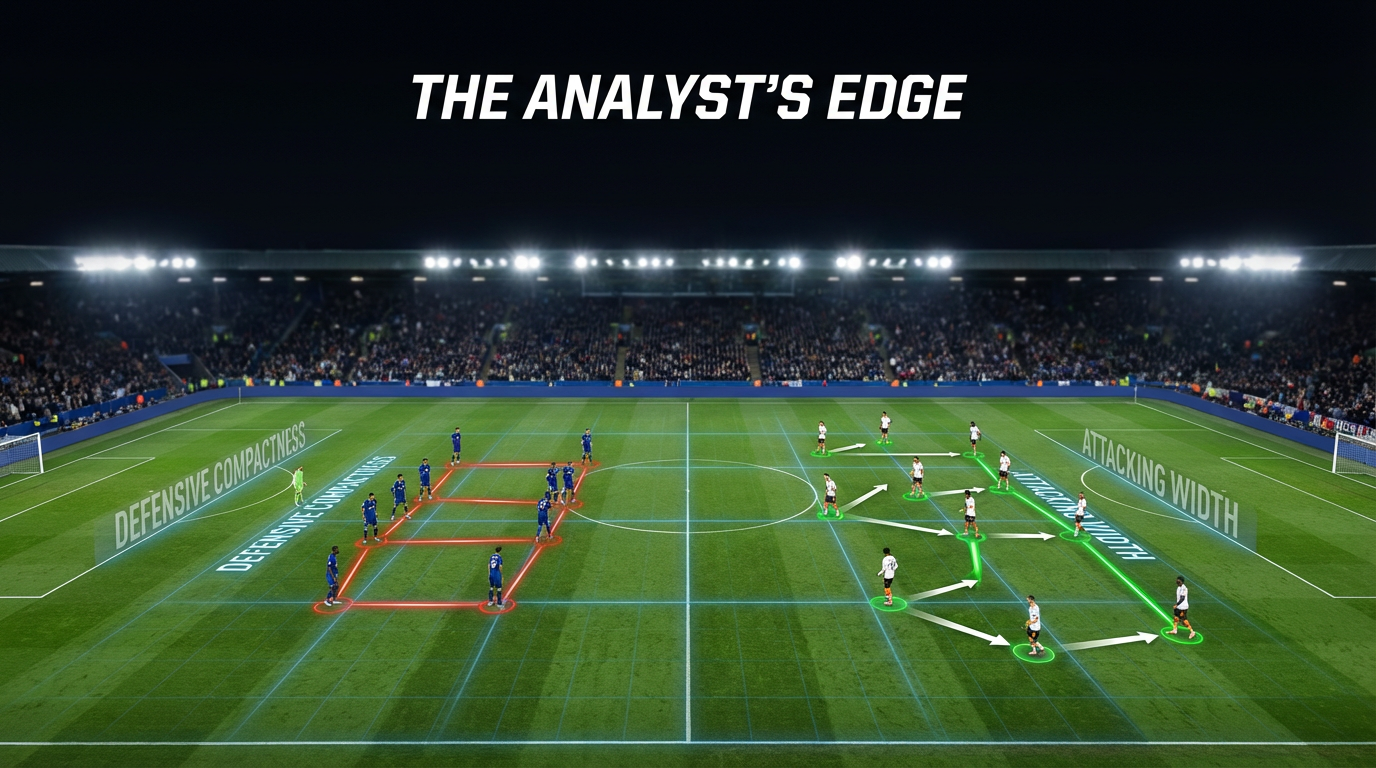
- Maintaining vertical compactness.
- Preventing cut-back zones.
- Managing set-piece threats.
Teams that advance deep into major competitions often display defensive stability alongside attacking potency.
In many Champions League finals, tactical discipline has outweighed stylistic dominance.
9. Attacking Structures in the Modern Era
Attacking strategy today revolves around patterns rather than improvisation alone.
Common structures include:
- 3-2-5 in sustained possession.
- Overloads on one flank followed by quick switches.
- Underlapping runs from midfield.
- False-nine movements to disrupt central defenders.
Structured attacking frameworks ensure that creativity operates within controlled parameters.
Balance remains key: attacking expansion must not eliminate defensive cover.
10. Psychological and Tactical Discipline
Strategy requires mental adherence.
Modern players must:
- Maintain positional awareness.
- Recognize pressing triggers.
- Adjust intensity according to game state.
In high-pressure competitions, emotional control determines whether strategy holds under adversity.
Teams that remain tactically disciplined in hostile environments often outperform technically superior opponents.
11. Set-Piece Strategy as a Competitive Edge
Set-pieces have evolved into meticulously planned scoring opportunities.
Strategic elements include:
- Blocking movements.
- Deceptive near-post runs.
- Zonal vs man-marking hybrids.
- Second-phase structure.
In tightly contested matches, one well-rehearsed corner routine can decide qualification.
Modern competitions highlight how marginal gains influence major outcomes.
12. Adapting to Different Competition Formats
Domestic leagues reward consistency, while knockout tournaments reward precision.
Strategic adjustments include:
- Risk management in away legs.
- Conservative first-half approaches in finals.
- Tactical fouling to disrupt momentum.
- Tempo control in aggregate-score scenarios.
Understanding format dynamics is part of comprehensive strategic planning.
13. The Balance Between Identity and Pragmatism
Successful teams maintain a clear identity but remain pragmatic when necessary.
Guardiola’s teams prioritize possession dominance.
Klopp’s sides emphasize vertical aggression.
Ancelotti’s philosophy embraces adaptive balance.
The most successful modern teams strike equilibrium between stylistic commitment and contextual adaptation.
Conclusion: Strategy as the Decisive Factor in Modern Football
Football team strategy in modern competitions has evolved into a multidimensional discipline. It blends tactical structure, data analytics, physical conditioning, psychological resilience, and in-game adaptability.
Success at the highest level is not accidental. It results from carefully constructed frameworks that:
- Control space.
- Manage transitions.
- Protect defensive integrity.
- Optimize attacking efficiency.
- Adapt to competition format.
Modern football rewards teams that understand that strategy is not static — it is a living system that responds to opponents, game states, and competitive demands.