In modern football, evaluating player performance has moved far beyond the traditional focus on goals and assists. While scoring remains the most visible contribution, it represents only a fraction of what happens during a ninety-minute match. Tactical systems, positional discipline, and collective organization now shape outcomes as much as individual brilliance. As a result, football player performance analysis has evolved into a multidimensional process that seeks to measure a player’s true impact on the game.
This analytical approach is essential in an era where teams are structured around defined roles and responsibilities. Many players influence matches without registering a goal contribution, yet their presence can determine control, balance, and consistency. Understanding performance beyond goals provides a more accurate reflection of how football matches are won and lost.
Understanding Football Player Performance Analysis
Football player performance analysis is the systematic evaluation of a player’s actions within the context of team tactics and match conditions. Rather than isolating individual moments, it assesses how effectively a player executes their role across different phases of play. This includes defending, attacking, transitions, and set-piece situations.
A comprehensive analysis considers technical skill, tactical awareness, physical output, and decision-making. When combined, these elements offer a deeper understanding of how a player contributes to team objectives over the course of a match or season.
Why Goals Alone Do Not Define Performance
Goals are decisive events, but they are also situational. A striker may score from a single chance while remaining largely uninvolved, whereas a midfielder may control the tempo throughout the match without appearing on the scoresheet. Relying solely on goals risks overlooking players whose influence is subtle yet significant.
Football analysis recognizes that performance is often cumulative. Small, consistent actions—accurate positioning, timely interceptions, or intelligent movement—can shape the rhythm and structure of a match long before a goal is scored.
Tactical Context and Player Roles
Every performance must be assessed within a tactical framework. Players are instructed to perform specific functions that align with the team’s overall strategy. A defender in a high defensive line faces different demands than one operating in a low block, just as a winger in a counter-attacking system has a different role from one in a possession-based setup.
Role Clarity and Tactical Discipline
Tactical discipline is a key indicator of performance. Players who maintain positional responsibility enable teammates to operate with confidence. For example, a holding midfielder who consistently protects the defensive line allows full-backs to advance and attackers to take risks. This contribution may not generate statistics, but it stabilizes the entire team structure.
Adaptability Within the System
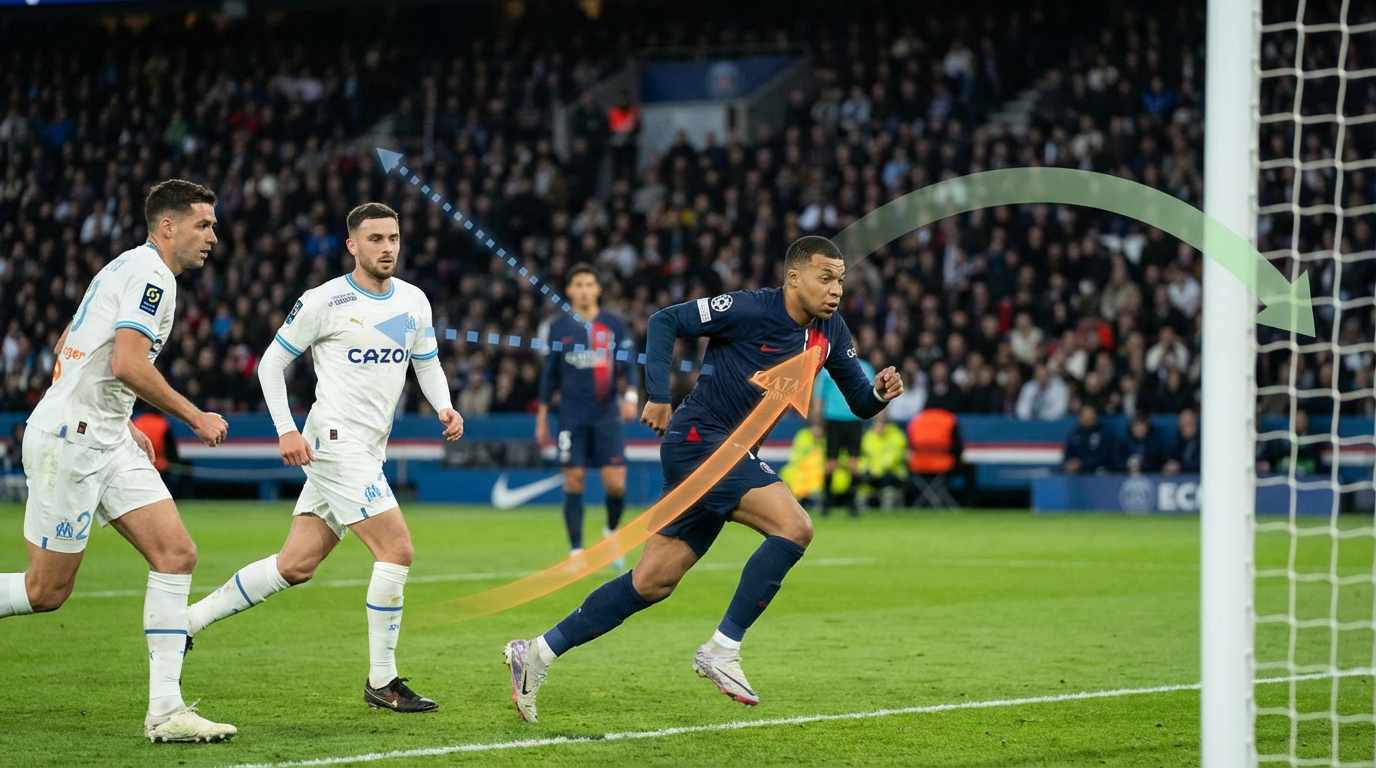
Modern football also demands adaptability. Players are often required to adjust roles mid-match in response to tactical changes. A full-back may invert into midfield, or a forward may drop deeper to link play. Effective performance analysis considers how well a player responds to these adjustments without disrupting team balance.
Technical Contribution Beyond Scoring
Technical execution remains a fundamental component of performance. However, its value extends far beyond goal-scoring actions.
Ball Retention and Passing Quality
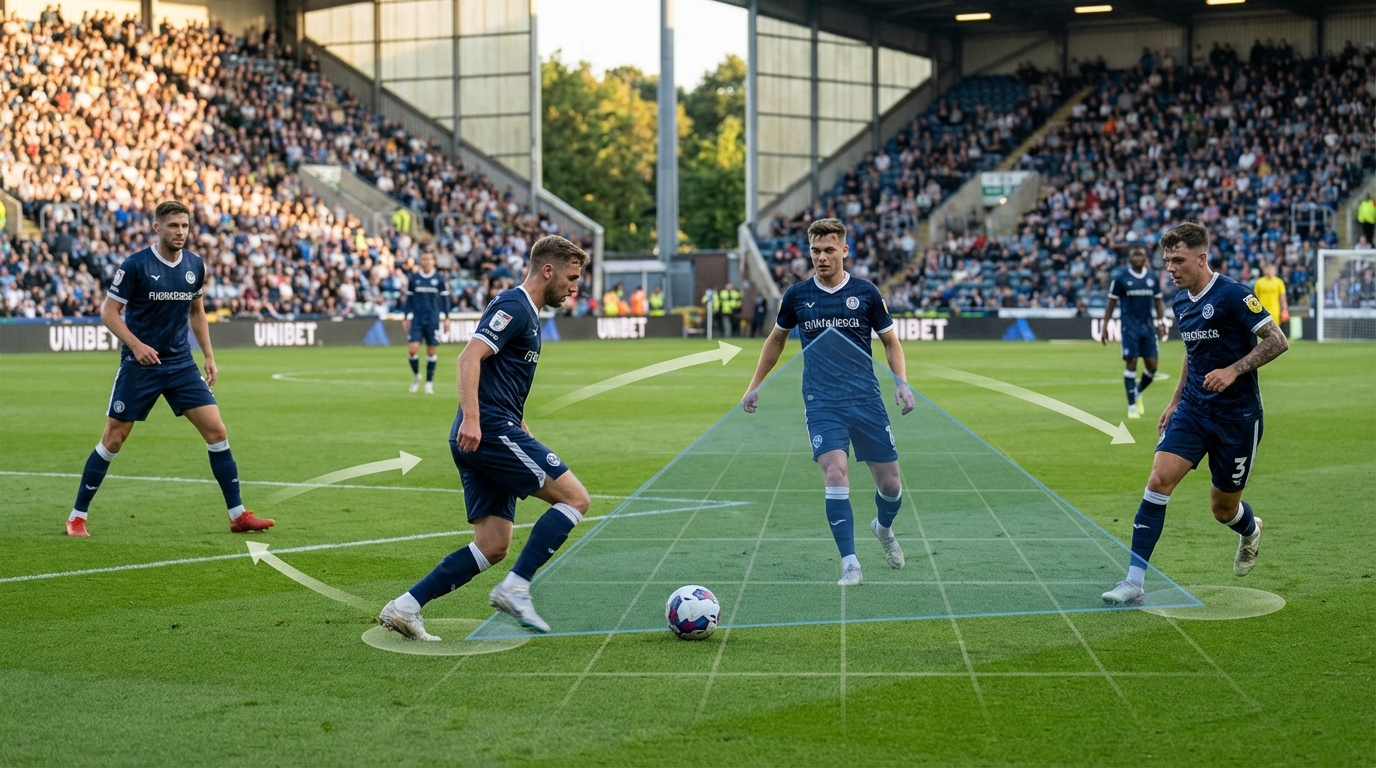
Maintaining possession under pressure is critical in modern football. Players who demonstrate composure, accuracy, and awareness help their teams control matches. Progressive passing, intelligent circulation, and the ability to escape pressure all contribute to territorial and tactical dominance.
Passing accuracy alone does not tell the full story. Analysts examine the intent behind passes, including forward progression, line-breaking attempts, and tempo control. A midfielder who consistently advances play while minimizing risk plays a vital role in sustained attacking phases.
First Touch and Decision-Making
A player’s first touch often determines the success of an action. Clean control allows for quicker decisions and reduces vulnerability to pressing. Performance analysis evaluates how players use their first touch to create space, evade opponents, or set up teammates.
Decision-making is equally important. Choosing when to pass, carry, or release the ball reflects a player’s understanding of the game and their tactical awareness.
Defensive Contribution and Off-Ball Impact
Defensive actions are frequently undervalued because they are less visible than goals. However, they form the foundation of team success.
Positioning and Anticipation
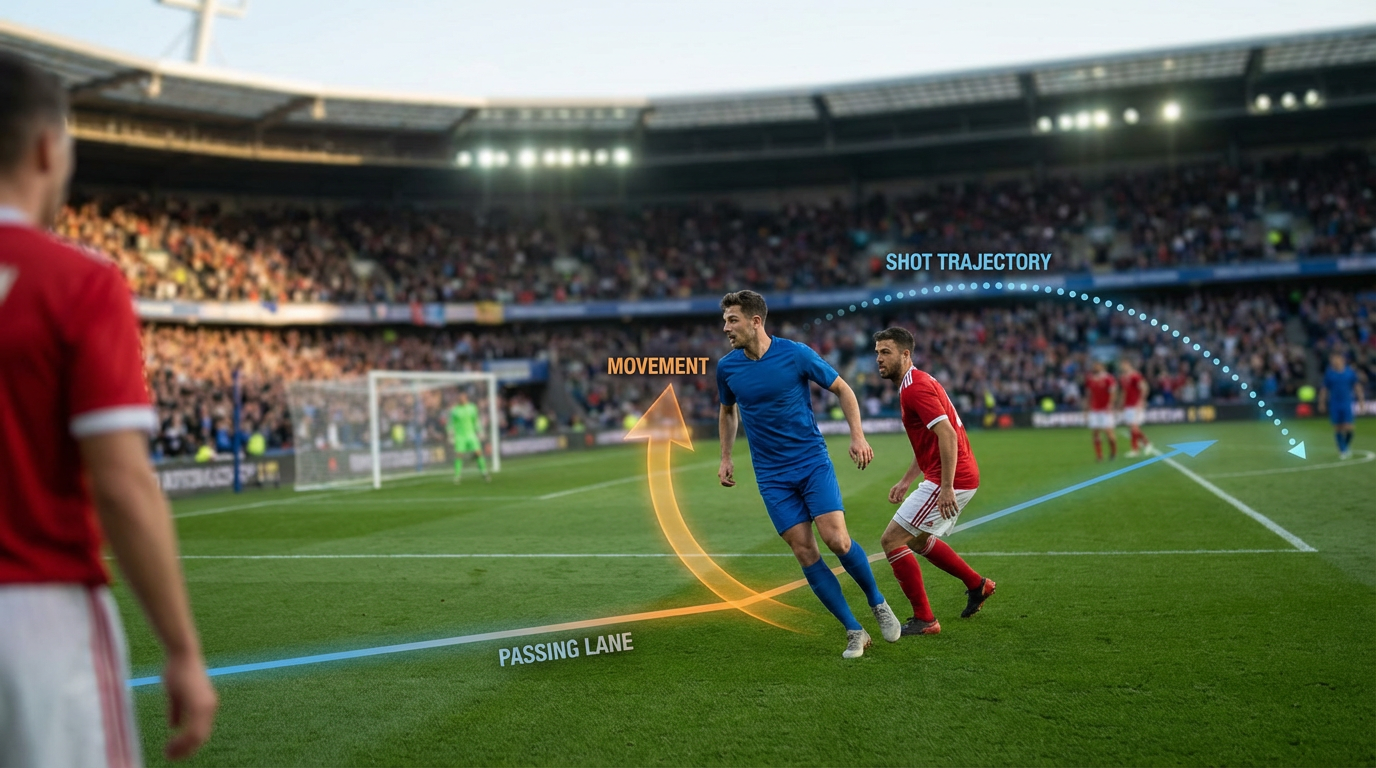
Effective defenders rely on anticipation rather than constant tackling. Correct positioning reduces the need for last-ditch interventions and helps maintain defensive shape. Analysts assess how well players read the game, cut passing lanes, and guide opponents into less dangerous areas.
Pressing and Work Rate
Pressing has become a defining feature of modern football. A player’s contribution to pressing systems is measured by timing, intensity, and coordination rather than sheer effort. Intelligent pressing forces errors, disrupts build-up play, and creates opportunities higher up the pitch.
Work rate is also evaluated in relation to tactical responsibility. Covering space efficiently and supporting teammates defensively can be just as important as winning duels.
Physical Performance and Match Intensity
Physical output plays a crucial role in sustaining performance levels, particularly in high-tempo matches.
Movement and Spatial Coverage
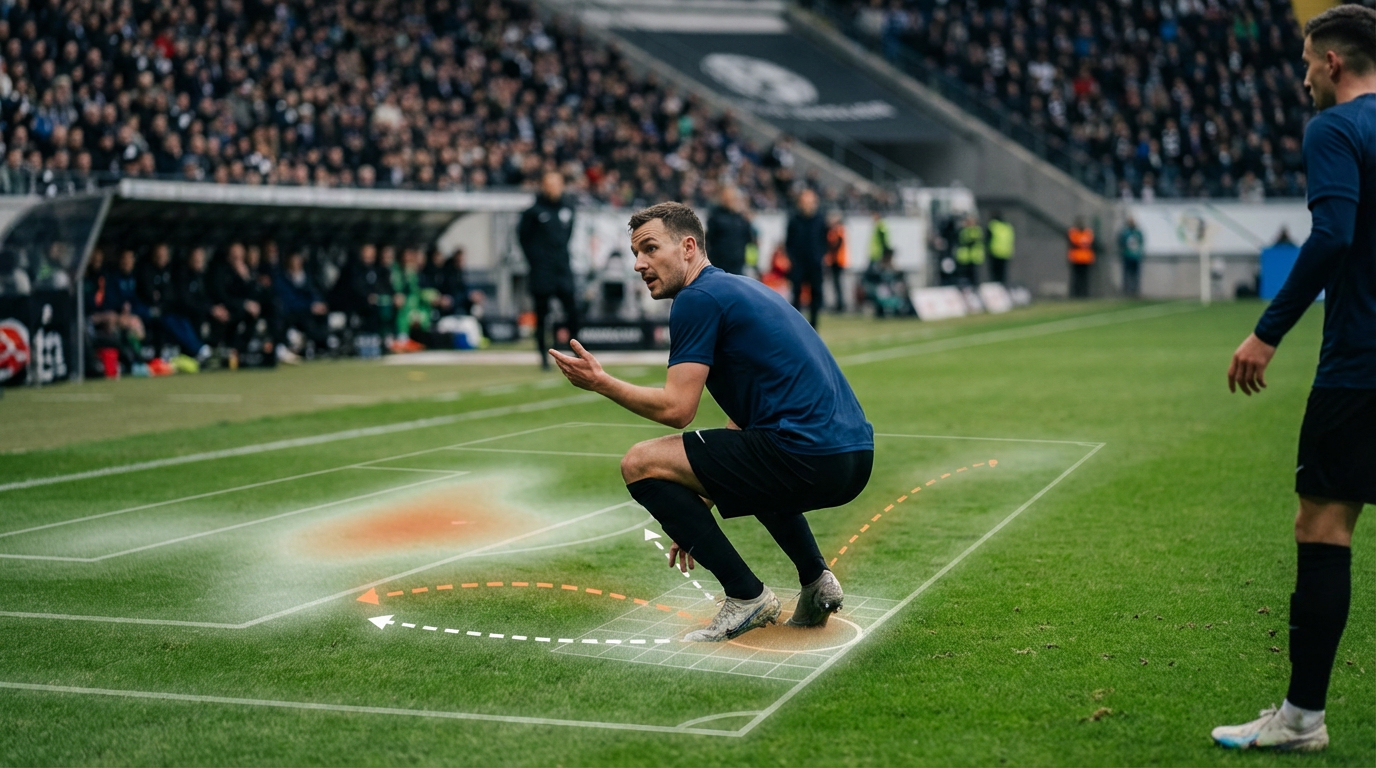
Distance covered, sprint frequency, and acceleration patterns help illustrate a player’s involvement across the pitch. However, quality of movement is more important than quantity. Effective players move with purpose, occupying spaces that benefit the team structure.
Consistency Across Match Phases
Performance analysis also examines how players manage intensity over time. Maintaining concentration and physical output throughout all phases of the match reflects professionalism and preparation.
Mental Attributes and Game Intelligence
Football intelligence is often the difference between good and exceptional performances. Mental attributes influence how players respond to pressure, manage game situations, and maintain focus.
Composure Under Pressure
Players who remain calm in high-pressure moments contribute to stability. Whether defending a narrow lead or controlling possession late in a match, composure supports effective decision-making.
Leadership and Communication
Leadership is not limited to captains. Players who organize teammates, communicate positioning, and encourage discipline enhance collective performance. These contributions are difficult to quantify but are evident through observation and match context.
Statistical Analysis and Contextual Data
Statistics provide valuable insights but must be interpreted carefully. Raw numbers can be misleading without tactical context.
Interpreting Performance Metrics
Metrics such as interceptions, progressive passes, duels won, and chance creation help illustrate performance trends. Analysts compare these figures with positional averages and tactical expectations to assess effectiveness.
Balancing Data With Observation
The most accurate evaluations combine data with qualitative analysis. Watching how actions influence team structure and match flow provides context that numbers alone cannot capture.
Long-Term Performance and Consistency
Single matches offer snapshots, but long-term analysis reveals reliability and development.
Performance Trends Over a Season
Tracking performance across multiple matches highlights consistency, adaptability, and improvement. Players who maintain high standards regardless of opposition demonstrate value beyond short-term impact.
Fit Within Team Philosophy
Ultimately, performance must align with team philosophy. A player’s success is measured not only by individual output but by how well they complement teammates and execute the manager’s tactical vision.
Conclusion
Football player performance analysis has evolved into a comprehensive evaluation of contribution, influence, and consistency. Measuring impact beyond goals allows for a deeper understanding of how matches are shaped and why certain teams succeed. By examining tactical discipline, technical execution, defensive responsibility, physical output, and mental intelligence, analysts gain a more accurate picture of a player’s true value.
In modern football, goals may decide matches, but performance beyond goals defines seasons. Players who excel in structure, awareness, and execution consistently shape outcomes, even when they remain absent from the scoresheet.