High-intensity football matches place exceptional demands on midfield players. Positioned at the tactical heart of the pitch, midfielders are required to balance defensive responsibility, attacking contribution, and transitional control, often within seconds of each other. In modern football, where pressing intensity and tactical organization define success, midfielder performance analysis has become one of the most critical aspects of understanding match outcomes.
Unlike attackers, whose impact is often measured through goals and assists, midfielders influence games through structure, rhythm, and decision-making. Their effectiveness is best evaluated through a comprehensive analysis that considers tactical context, physical output, technical execution, and mental resilience. In high-intensity matches, these elements become even more pronounced.
The Role of the Midfielder in High-Intensity Football
Modern football demands constant movement, rapid decision-making, and positional awareness. Midfielders operate in the most congested areas of the pitch, where pressure is continuous and space is limited.
Central Responsibility and Game Control
Midfielders serve as the link between defense and attack. In high-intensity matches, they are responsible for maintaining team shape while enabling progression under pressure. Their positioning determines whether a team can escape pressing phases or becomes trapped in defensive zones.
Control of midfield often dictates control of the match. Teams that dominate central areas are better equipped to manage tempo, limit opposition transitions, and sustain attacking sequences.
Tactical Versatility and Role Variation
Midfield roles vary depending on tactical systems. Defensive midfielders prioritize screening and ball recovery, central midfielders focus on circulation and balance, while advanced midfielders contribute to creativity and pressing. Performance analysis must account for these role-specific responsibilities rather than applying uniform metrics.
Tactical Awareness Under Pressure
High-intensity matches expose weaknesses in tactical discipline. Midfielders who lack positional awareness are quickly targeted by opponents seeking to exploit structural gaps.
Positional Discipline and Spatial Occupation
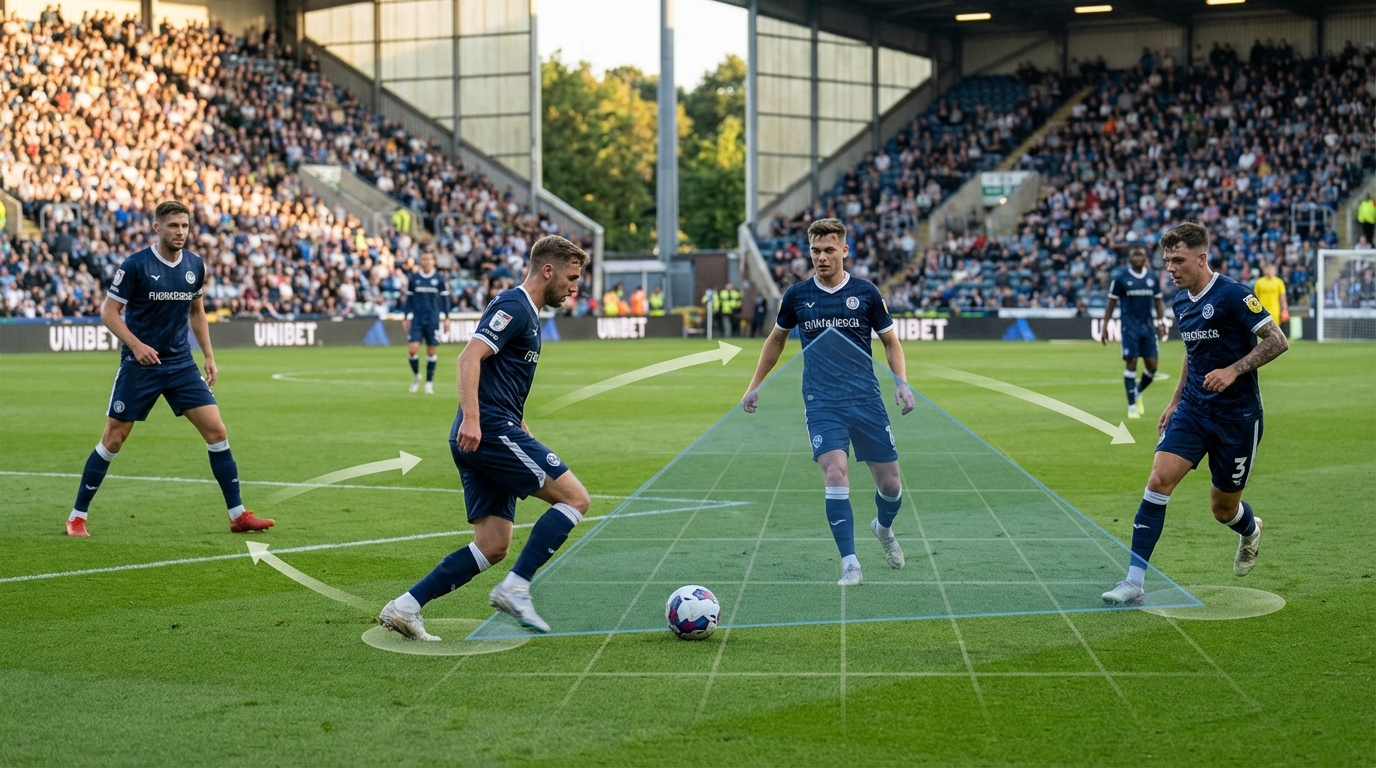
Effective midfielders maintain compact distances between teammates, ensuring passing lanes remain protected and defensive shape is preserved. In high-pressing environments, correct positioning reduces the need for emergency defensive actions.
Performance analysis evaluates how consistently a midfielder occupies space that supports both defensive stability and attacking progression. This includes positioning during defensive blocks, build-up phases, and transitional moments.
Reading the Game and Anticipation
Anticipation separates elite midfield performances from average ones. Recognizing pressing triggers, predicting opponent movement, and adjusting positioning before danger develops are critical in high-intensity settings.
Midfielders who read the game well reduce physical strain by relying on intelligence rather than reactive movement.
Technical Performance in High-Tempo Environments
Technical quality becomes more valuable as match intensity increases. High pressure reduces time on the ball, amplifying the importance of clean execution.
Ball Retention Under Pressure
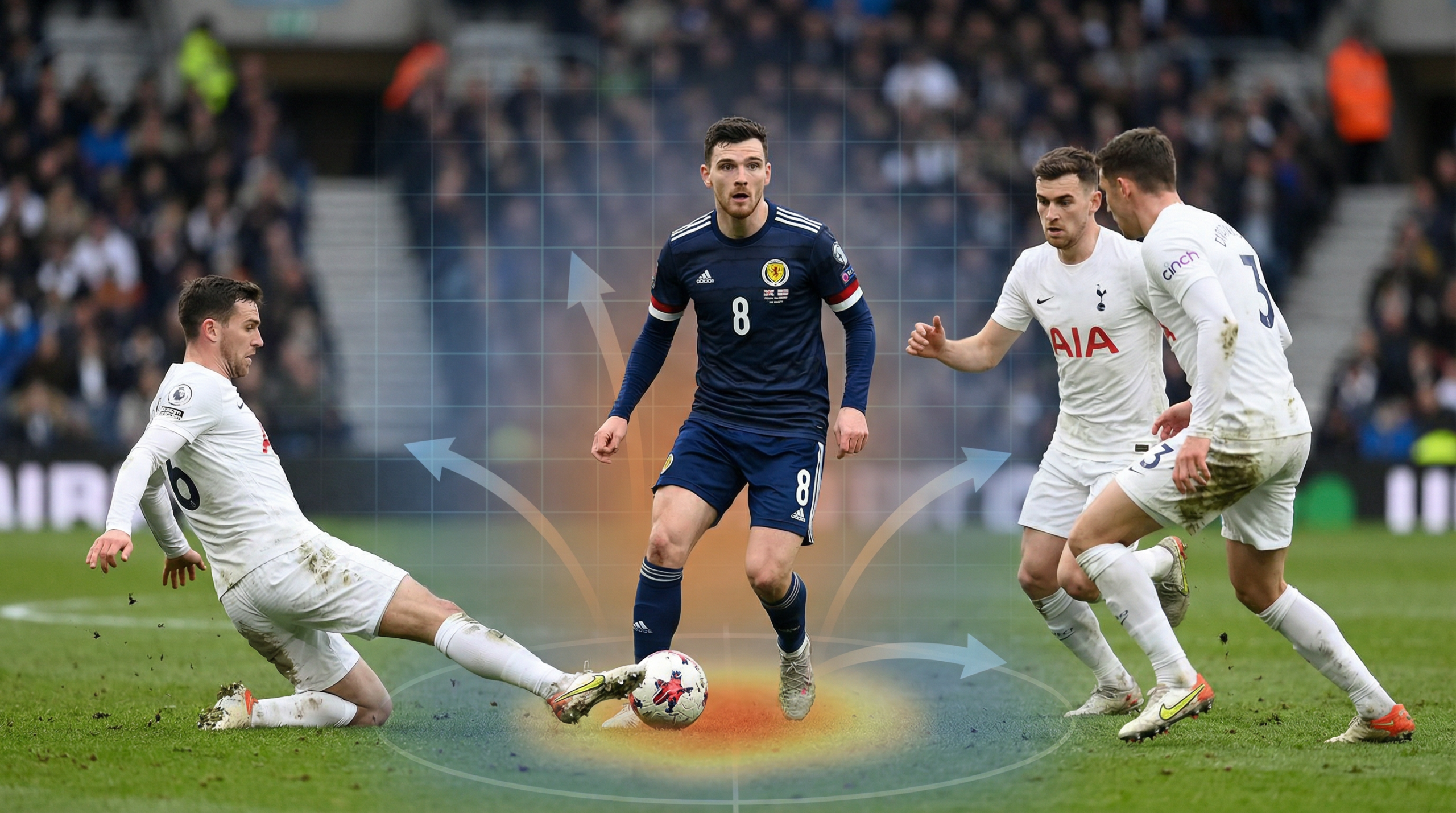
One of the primary indicators of midfielder performance is the ability to retain possession in tight spaces. Successful midfielders use body positioning, awareness, and first-touch control to evade pressure and maintain team stability.
Performance analysis considers not only pass completion rates but also the context of possession. Retaining the ball against aggressive pressing carries significantly more value than unchallenged distribution.
Progressive Passing and Tempo Control
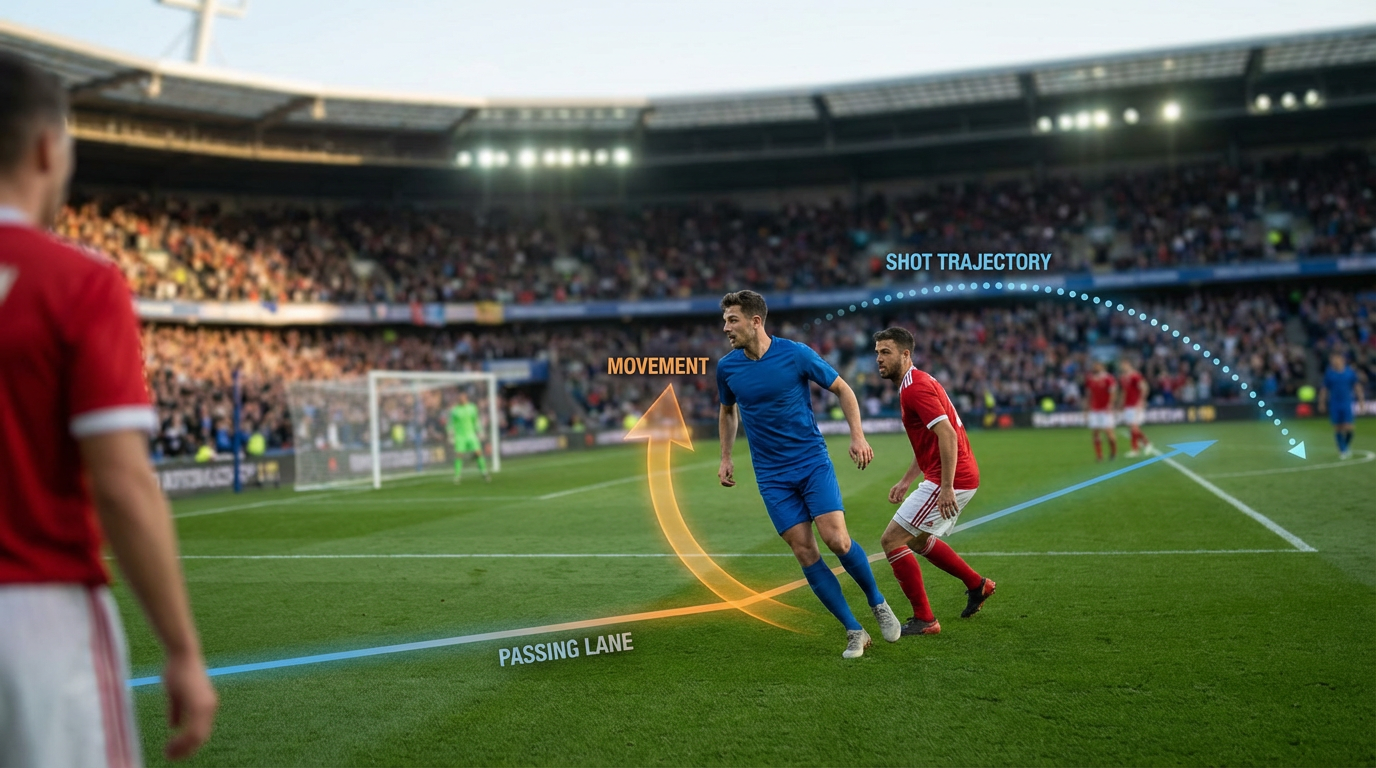
Midfielders influence match tempo through passing choices. Progressive passes that break lines or advance play shift momentum, while safe recycling helps teams regain structure.
Effective tempo control involves knowing when to accelerate play and when to slow it down. Analysts assess how midfielders balance risk and security in high-intensity moments.
Defensive Contribution and Press Resistance
In high-intensity matches, defensive work is continuous rather than situational. Midfielders are often the first line of resistance against opposition transitions.
Pressing Intelligence and Recovery
Pressing effectiveness depends on timing and coordination. Midfielders must recognize when to engage, when to delay, and when to retreat into shape. Poorly timed pressing exposes defensive lines and increases physical fatigue.
Performance analysis evaluates pressing success through forced errors, regained possession, and maintained structural balance rather than raw tackle counts.
Interceptions and Defensive Positioning
Interceptions often reflect anticipation rather than aggression. Midfielders who consistently intercept passes demonstrate an understanding of passing patterns and spatial control. These actions disrupt opposition rhythm and reduce defensive workload.
Physical Demands of High-Intensity Matches
High-intensity football places extreme physical demands on midfielders due to their involvement across all phases of play.
Work Rate and Movement Efficiency
Distance covered and sprint frequency are commonly used metrics, but efficiency of movement is more important. Effective midfielders cover space intelligently, conserving energy while maintaining influence.
Performance analysis emphasizes purposeful movement rather than volume. Repeated unnecessary sprints often indicate poor positioning or decision-making.
Endurance and Performance Consistency
Maintaining performance levels late into high-intensity matches is a key indicator of elite midfield play. Fatigue often leads to positional errors and reduced technical quality.
Analysts examine how midfielders manage energy across match phases, including recovery runs, pressing actions, and ball circulation.
Mental Resilience and Decision-Making
High-intensity matches test mental strength as much as physical capacity. Pressure situations require clarity, composure, and confidence.
Composure in High-Pressure Situations
Midfielders frequently receive the ball under pressure, often facing their own goal. Composure allows them to execute simple, effective actions rather than risky plays that compromise team structure.
Performance analysis considers how midfielders respond to mistakes, pressure from opponents, and changes in match momentum.
Leadership and Communication
Midfielders often act as on-field organizers, directing pressing lines and maintaining positional discipline. Clear communication enhances collective performance and reduces defensive vulnerability.
Leadership is evaluated through influence on team shape rather than vocal presence alone.
Statistical Evaluation in Context
Data plays a valuable role in midfielder performance analysis, but interpretation must reflect tactical context.
Key Metrics for Midfielder Analysis
Relevant metrics include progressive passes, interceptions, pressures applied, pass completion under pressure, and ball recoveries. These statistics provide insight into involvement and effectiveness.
However, metrics must align with role expectations. A defensive midfielder and an advanced midfielder should not be judged by identical statistical benchmarks.
Combining Data With Match Observation
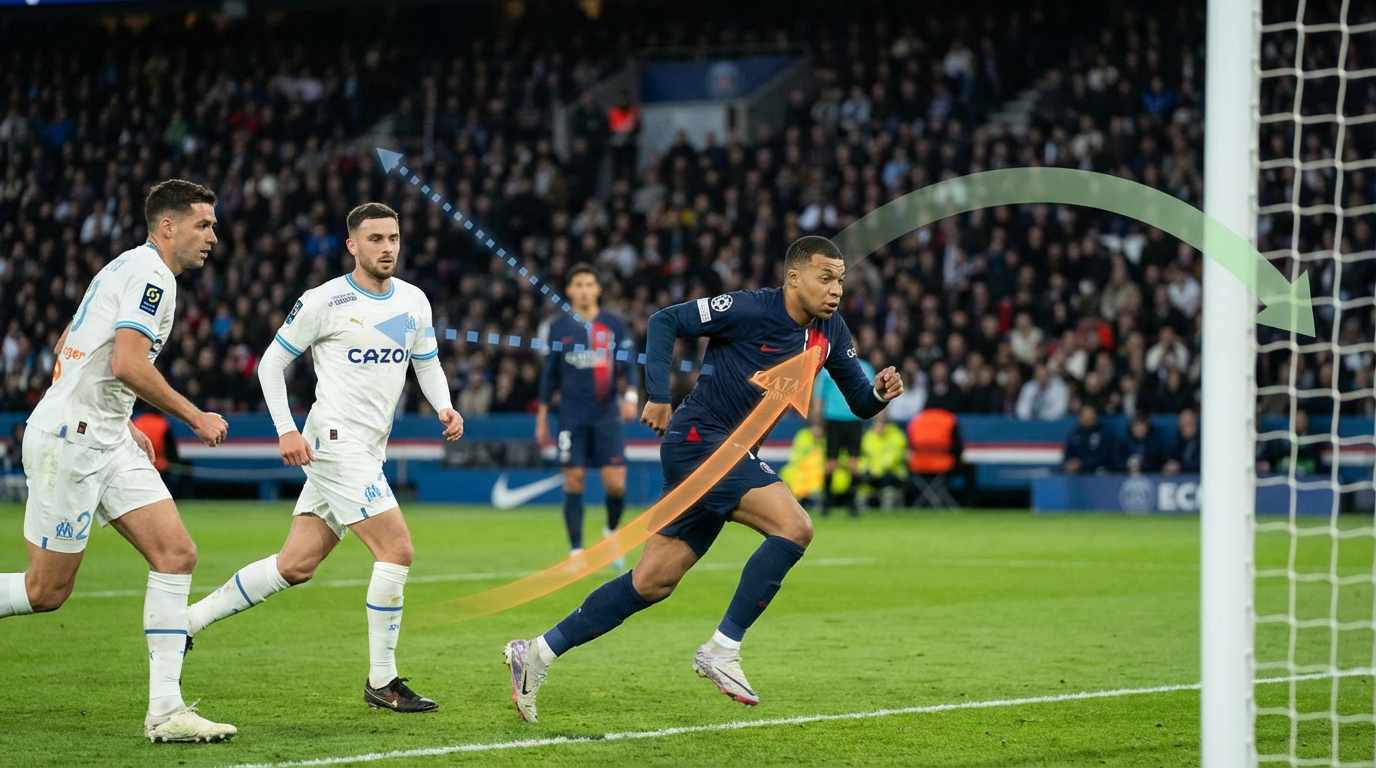
Numbers alone cannot explain tactical nuance. Visual analysis reveals how actions influence team structure, pressing effectiveness, and transitional balance. The most accurate evaluations combine data with detailed match observation.
Long-Term Performance and Tactical Fit
Single-match analysis offers insight, but long-term evaluation reveals reliability and adaptability.
Consistency Across Competitions
High-level midfielders maintain performance standards across different opponents, systems, and match intensities. Consistency indicates strong tactical understanding and physical preparation.
Integration Within Team Philosophy
Performance is ultimately judged by alignment with team strategy. A midfielder’s value depends on how well they execute the tactical vision and complement teammates within the system.
Conclusion
Football midfielder performance analysis in high-intensity matches requires a holistic approach that extends beyond visible statistics. Tactical awareness, technical precision, defensive intelligence, physical endurance, and mental resilience collectively define impact.
Midfielders who excel under intense pressure shape match rhythm, protect team structure, and enable both defensive stability and attacking progression. While goals and assists attract attention, it is often the unseen work of midfielders that determines success at the highest level of football.
In modern football, mastering high-intensity environments is not optional for midfielders—it is the foundation of elite performance.