In modern football, attacking performance is no longer defined solely by goals scored. While finishing remains the most visible measure of success, the true effectiveness of an attacker lies in movement, spatial awareness, and decision-making across all phases of play. High-level football is increasingly structured, with defensive systems designed to limit space and reduce clear chances. As a result, attackers must influence matches through intelligence and timing as much as technical ability.
Football attacker performance analysis therefore requires a comprehensive approach. Evaluating how attackers create space, disrupt defensive structures, and convert opportunities provides a more accurate understanding of their contribution. In elite competition, it is often movement and awareness rather than raw finishing that separates consistent performers from inconsistent ones.
The Modern Role of the Football Attacker
Attackers operate at the highest point of defensive pressure. Opponents structure their entire defensive approach around limiting forward players, making attacking roles both physically and mentally demanding.
Responsibility Beyond Goal Scoring
Modern attackers are expected to contribute beyond finishing chances. They initiate pressing, link play with midfielders, and create space for teammates through intelligent movement. Performance analysis considers how attackers influence team structure, not just the number of shots they take.
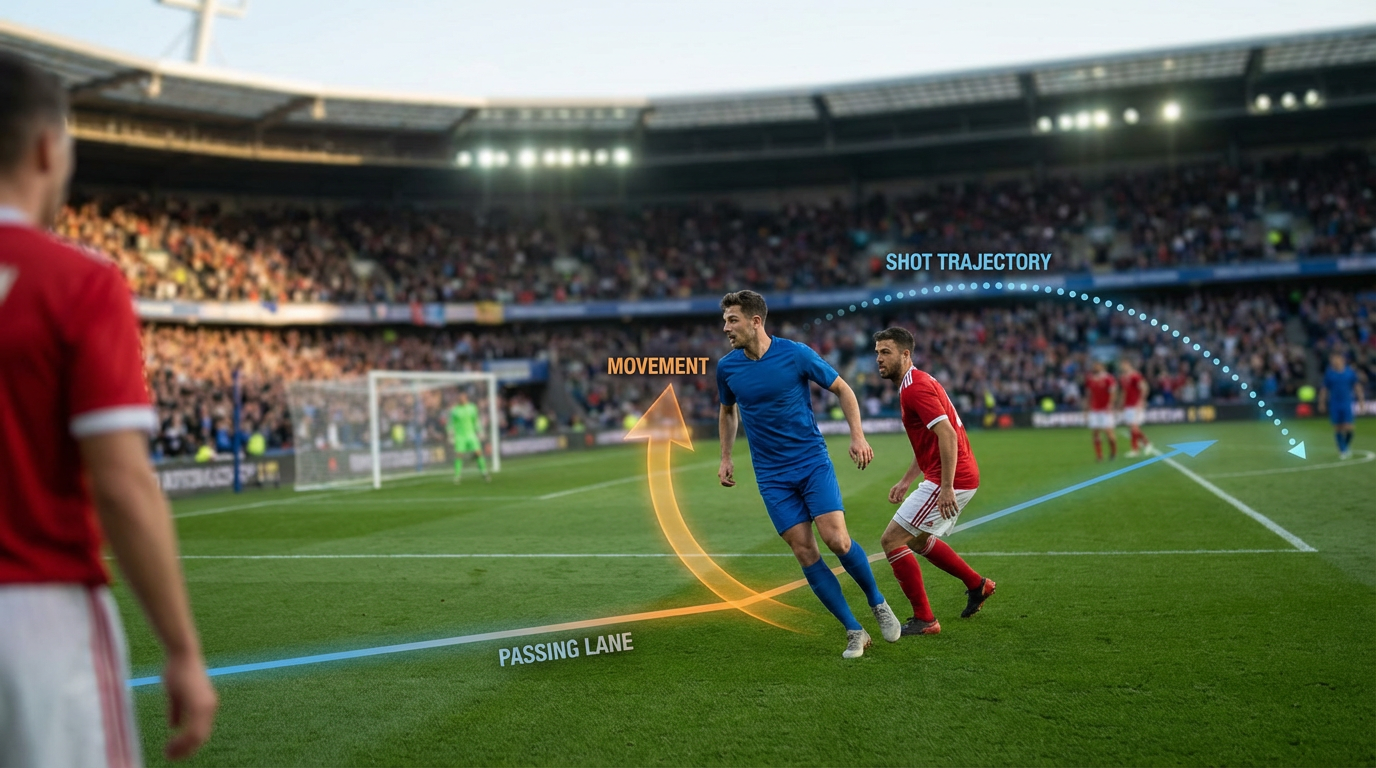
An attacker who occupies defenders, forces positional adjustments, or opens passing lanes may have a decisive impact even without direct involvement in goals.
Variation Across Attacking Roles
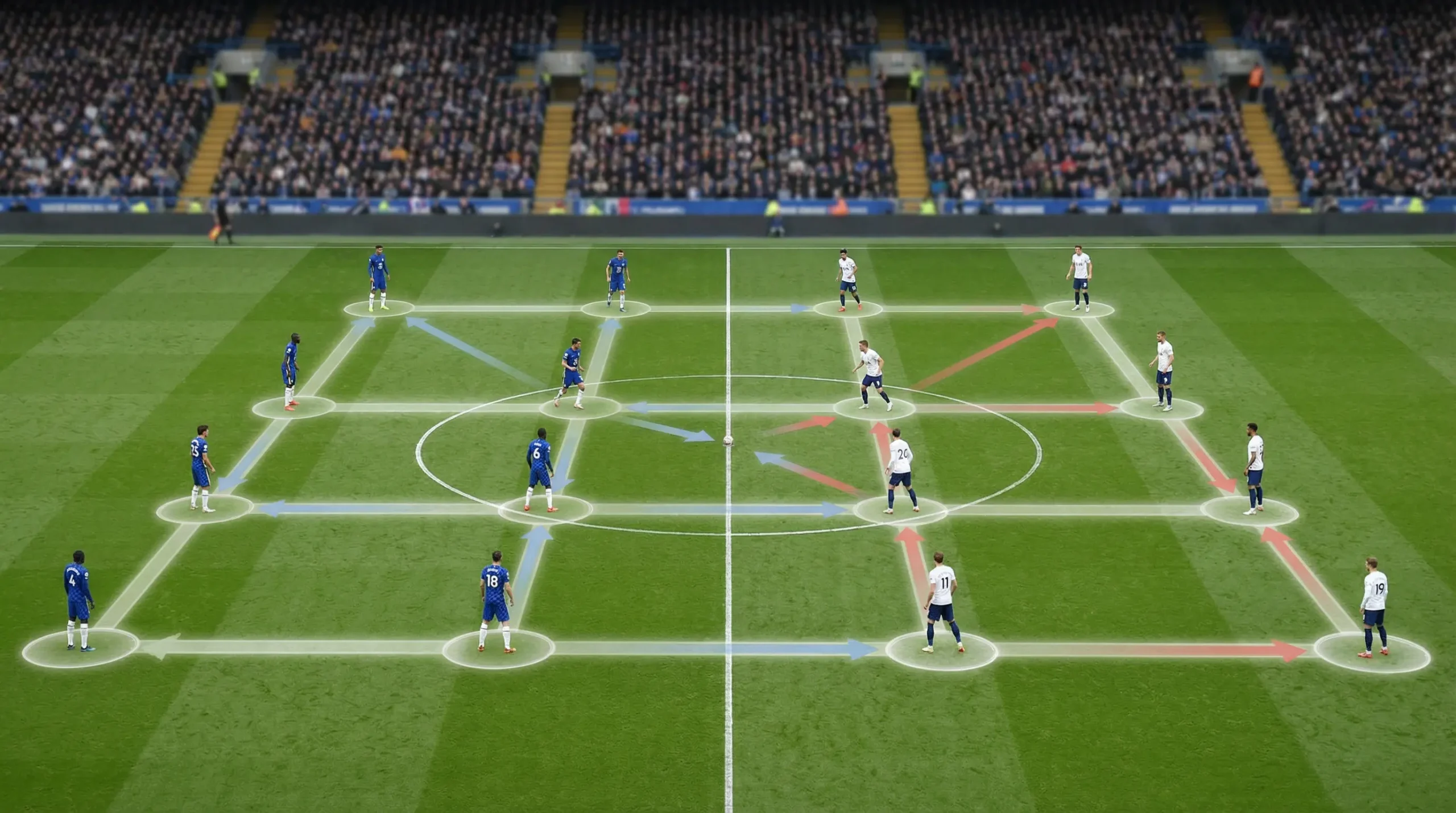
Attacking roles vary significantly. Central forwards focus on penalty-area presence and link play, wide attackers emphasize movement in half-spaces and isolation scenarios, while secondary attackers operate between lines. Effective analysis evaluates performance within the context of these role-specific demands rather than applying uniform expectations.
Movement as the Foundation of Attacking Performance
Movement is the most fundamental component of attacker effectiveness. Without intelligent movement, even technically gifted players struggle to influence matches.
Off-the-Ball Movement and Space Creation
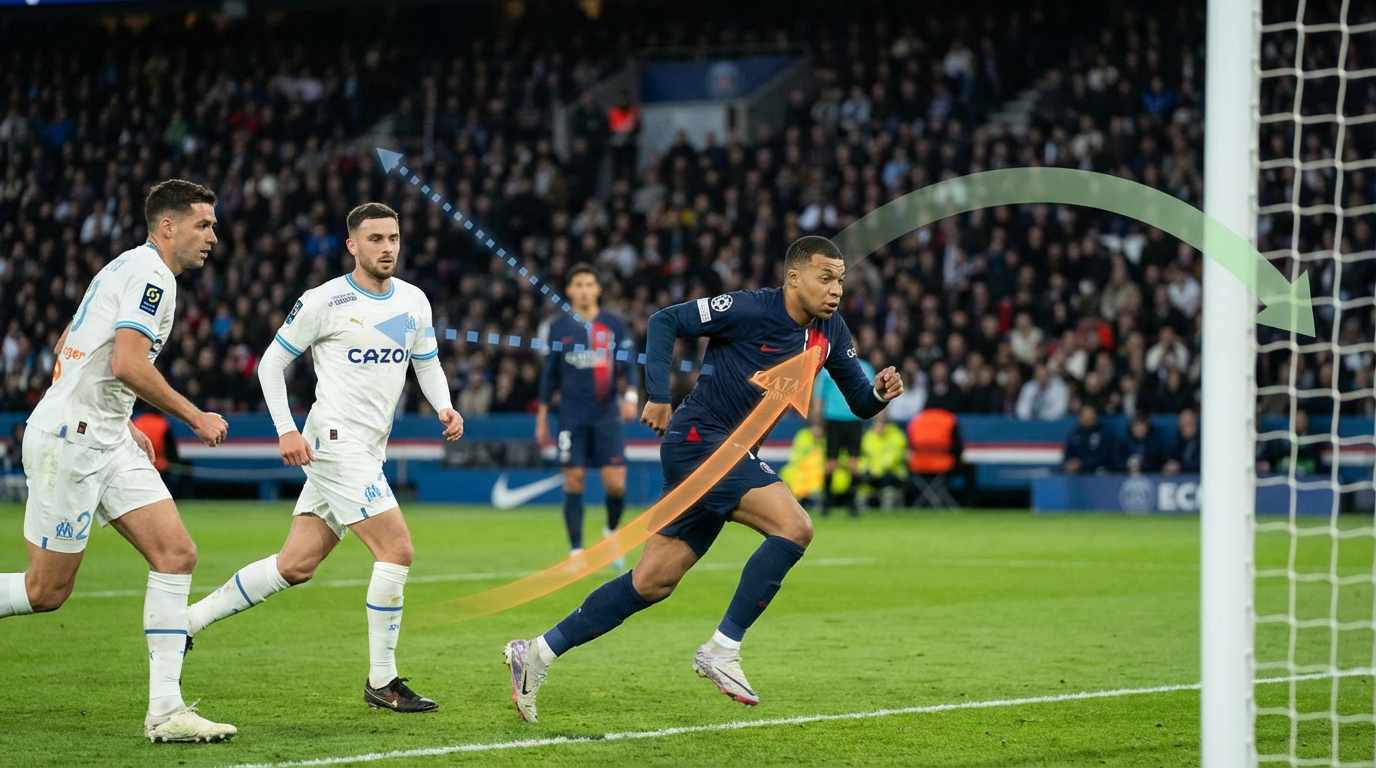
Elite attackers constantly adjust their positioning relative to defenders, teammates, and the ball. This movement forces defenders to make decisions, often creating temporary disorganization. Performance analysis evaluates how attackers manipulate defensive lines through diagonal runs, drops into space, and decoy movements.
Creating space does not always benefit the attacker directly. Well-timed movement can free teammates, disrupt defensive shape, and generate higher-quality chances elsewhere.
Timing of Runs
The timing of runs is as important as their direction. Early runs allow defenders to recover, while late runs exploit momentary lapses in attention. Analysts assess whether attackers synchronize movement with passing patterns and ball progression.
In high-level football, marginal timing differences can determine whether a chance is created or neutralized.
Spatial Awareness and Positioning
Understanding space is central to attacking success. Attackers must recognize where space exists, where it will appear, and how to exploit it efficiently.
Operating Between Defensive Lines
One of the most valuable attacking skills is the ability to receive the ball between defensive lines. Attackers who consistently find pockets of space between midfield and defense disrupt compact structures and force defenders to step out of position.
Performance analysis evaluates how often attackers receive the ball in advanced zones and how effectively they use those moments to progress play.
Width, Depth, and Defensive Stretching
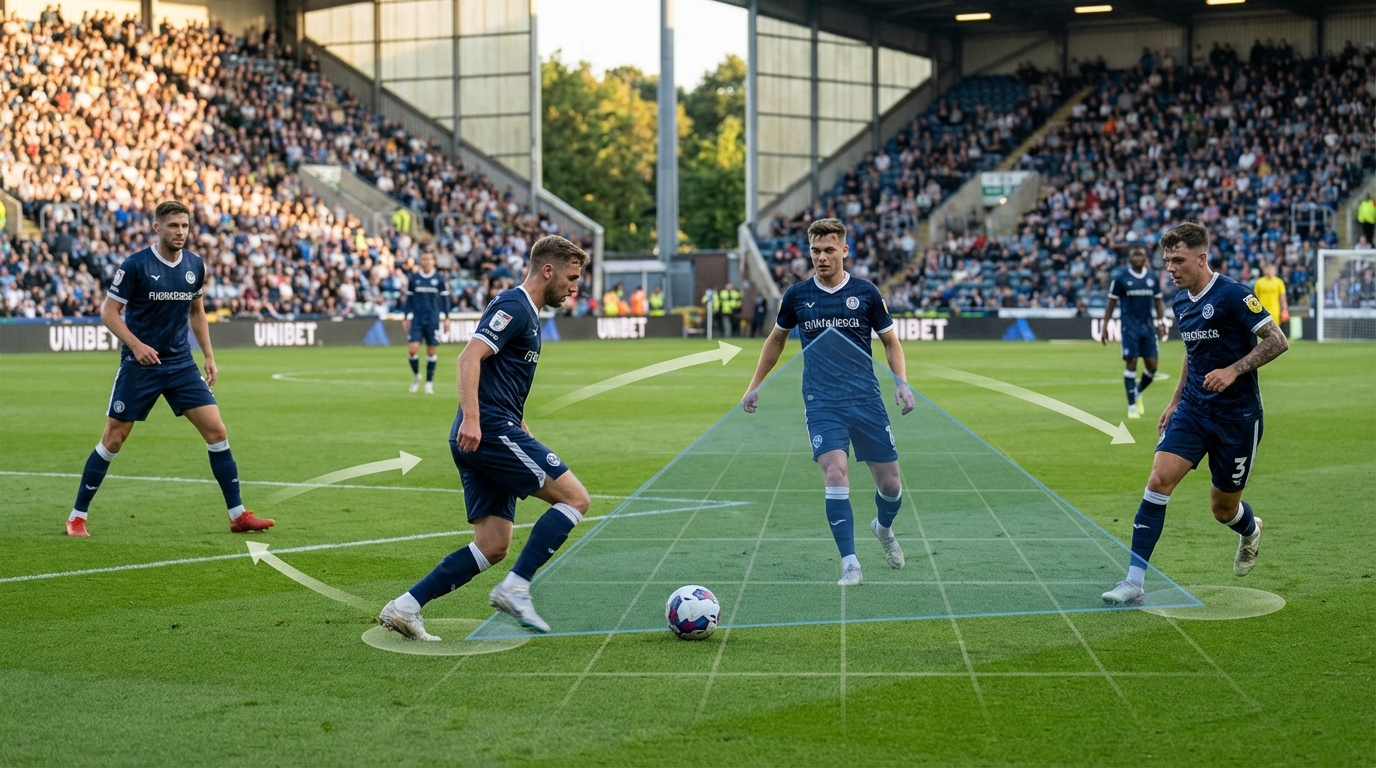
Attackers influence defensive shape through width and depth. Wide positioning stretches back lines horizontally, while vertical runs force defenders to drop deeper. This stretching creates gaps that can be exploited through combination play or late arrivals from midfield.
Even when attackers do not receive the ball, their positioning shapes defensive behavior and opens space for teammates.
Finishing as a Contextual Skill
While goals remain the ultimate outcome, finishing must be evaluated within context. Not all chances carry equal difficulty or probability.
Shot Selection and Decision-Making
Effective finishing begins with shot selection. Attackers must assess angles, defensive pressure, and goalkeeper positioning before committing to a strike. Poor decision-making often results in low-quality attempts that reduce overall attacking efficiency.
Performance analysis examines whether attackers choose optimal moments to shoot or unnecessarily force attempts under pressure.
Composure in Goal-Scoring Situations
Composure differentiates elite attackers from average ones. Remaining calm under pressure allows attackers to execute controlled finishes rather than rushed efforts. Analysts consider how attackers respond to high-pressure moments, including one-on-one situations and crowded penalty areas.
Finishing consistency often reflects mental clarity as much as technical execution.
Attacking Contribution in Build-Up Play
Attackers are increasingly involved in early phases of possession. Their participation helps teams progress the ball and maintain attacking continuity.
Link-Up Play and Ball Retention
Dropping into deeper areas to receive the ball allows attackers to connect midfield and attack. Successful link-up play depends on first-touch quality, awareness, and decision-making.
Performance analysis evaluates how effectively attackers retain possession under pressure and support progression without compromising team structure.
Supporting Attacks Through Combination Play
One-touch passes, wall passes, and quick combinations help teams bypass compact defensive blocks. Attackers who contribute to these sequences enhance overall attacking fluidity even without final involvement.
Pressing and Defensive Contribution
Attacking performance analysis also considers defensive responsibilities. Pressing systems rely heavily on attackers to initiate pressure.
Pressing Intelligence and Positioning
Effective pressing is based on timing and angle rather than constant running. Attackers must direct opponents into predetermined zones and trigger collective pressure.
Performance analysis evaluates pressing success by forced errors and disrupted build-up rather than sheer physical output.
Work Rate and Defensive Balance
Defensive contribution helps maintain team compactness. Attackers who track back and support midfield lines reduce defensive overloads and improve transitional stability.
Physical Demands of Attacking Roles
Modern attacking roles require high physical output, particularly in systems that emphasize pressing and transitions.
Movement Intensity and Efficiency
Repeated sprints, directional changes, and acceleration place heavy physical demands on attackers. However, efficient movement is more valuable than constant motion.
Performance analysis prioritizes intelligent movement patterns that maximize impact while conserving energy.
Sustaining Performance Over Time
Maintaining attacking effectiveness late in matches reflects physical conditioning and mental focus. Fatigue often affects movement sharpness and finishing accuracy.
Mental Attributes and Attacking Intelligence
Mental qualities play a critical role in attacking success.
Confidence and Decision Clarity
Confidence influences finishing, movement, and creativity. Attackers who trust their decisions are more decisive and effective in tight situations.
Performance analysis considers how attackers respond to missed chances and defensive pressure.
Adaptability During Matches
Attackers must adjust positioning and approach based on opposition tactics. Adaptability reflects football intelligence and tactical awareness.
Statistical Analysis and Performance Context
Data supports attacker performance analysis but must be interpreted carefully.
Key Metrics for Attacking Analysis
Relevant metrics include expected goals, shot quality, touches in the penalty area, progressive runs, and chance involvement. These indicators help contextualize output.
Combining Data With Match Observation
Statistics gain meaning when paired with visual analysis. Observing how movement and positioning influence defensive behavior provides deeper insight than numbers alone.
Long-Term Attacking Performance and Consistency
Evaluating attackers over multiple matches reveals reliability and development.
Performance Trends Across a Season
Consistent attackers maintain influence even when goal output fluctuates. Long-term analysis highlights movement quality, involvement, and adaptability.
Tactical Fit Within Team Systems
Attacker performance ultimately depends on compatibility with team structure. Analysis considers how well attackers execute the tactical vision and complement teammates.
Conclusion
Football attacker performance analysis through movement, space, and finishing offers a comprehensive understanding of attacking influence. While goals remain the decisive outcome, it is often movement intelligence, spatial awareness, and decision-making that create those moments.
Elite attackers shape matches through subtle actions that disrupt defensive structures, create opportunities, and maintain attacking balance. In modern football, attacking excellence is defined not just by finishing chances, but by the intelligence and consistency with which attackers operate within the game’s evolving tactical landscape.