Modern football is defined by structure. At elite levels, teams operate within clearly defined tactical frameworks that prioritize organization, spacing, and collective coordination. Individual brilliance still matters, but player performance is increasingly shaped—and judged—by how effectively individuals function within structured team systems. As tactical complexity grows, football player performance analysis must move beyond isolated actions and instead evaluate contribution within the collective design.
In structured systems, players are not free agents acting independently. Their movement, positioning, and decisions are interdependent, governed by tactical principles that serve the team’s overall strategy. Understanding player performance in this context requires a holistic analytical approach that balances individual quality with tactical discipline.
The Evolution of Structured Team Systems
Football has evolved from fluid, role-agnostic play into a highly organized sport where positional responsibility and spatial control dominate tactical thinking.
From Individual Expression to Collective Control
Historically, football rewarded individual flair and improvisation. While creativity remains valuable, modern systems emphasize control—of space, tempo, and transitions. Coaches design structured systems to reduce unpredictability, ensuring consistency across matches and competitions.
Performance analysis therefore focuses on how well players execute predefined roles rather than how often they attempt risky individual actions.
Tactical Frameworks as Performance Environments
Structured systems create performance environments where success depends on alignment with tactical principles. Pressing systems, possession structures, and defensive blocks dictate player behavior. Analysts evaluate whether players enhance or disrupt these frameworks through their decisions and movement.
Defining Player Roles Within Structured Systems
Every structured system assigns specific responsibilities to each position. Understanding these roles is essential to accurate performance analysis.
Positional Responsibilities and Task Clarity
Players operate within zones and phases of play. Full-backs may be tasked with providing width, midfielders with controlling central spaces, and forwards with stretching defensive lines. Performance analysis examines whether players fulfill these responsibilities consistently.
A player may perform well technically but still negatively impact the system if positional discipline is lacking.
Role-Specific Performance Criteria
Evaluating performance requires role-specific benchmarks. A defensive midfielder is judged differently from an attacking midfielder, even if both occupy central areas. Analysts contextualize actions such as passes, interceptions, and runs according to positional demands.
This approach prevents misleading conclusions based solely on raw statistics.
Positional Structure and Spatial Discipline
Structured systems rely on spatial discipline. Players must occupy precise zones relative to teammates and opponents.
Maintaining Team Shape
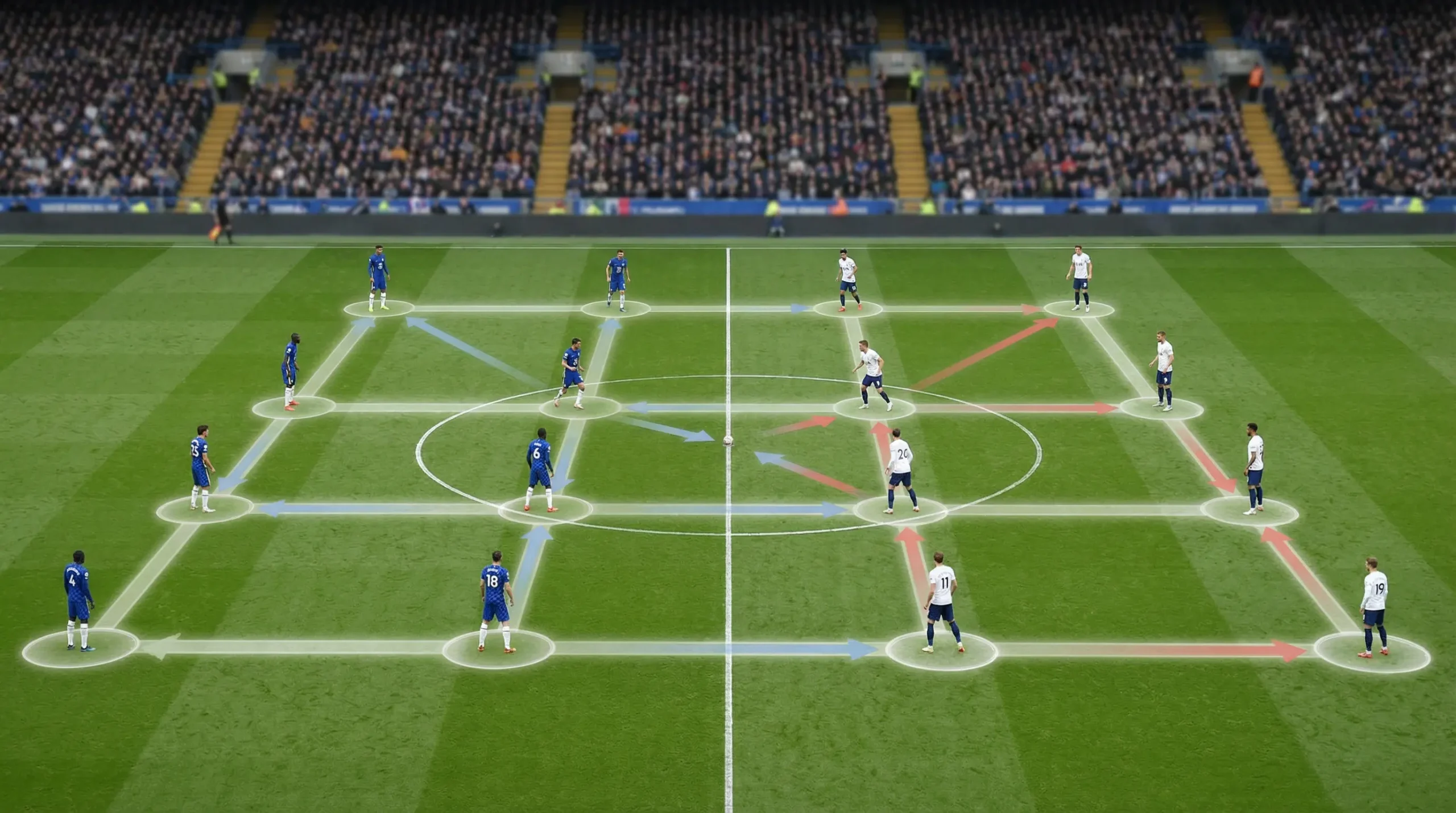
Team shape is the foundation of structured football. Whether in possession or out of possession, players must maintain distances that preserve compactness and balance. Performance analysis assesses how individual positioning supports overall shape.
Players who drift excessively or abandon zones can compromise structural integrity.
Occupying and Vacating Space Intelligently
Effective players understand when to occupy space and when to vacate it. Rotations are common in modern systems, but they are coordinated rather than random. Analysts evaluate whether players time their movements to maintain balance during rotations.
Spatial intelligence is often a key indicator of tactical maturity.
Decision-Making Within Tactical Constraints
Structured systems limit options by design. Players must make quick decisions within predefined patterns.
Speed and Accuracy of Decisions
High-level systems demand rapid decision-making. Players must recognize cues—pressure, teammate positioning, and opposition shape—and respond instantly. Performance analysis focuses on decision efficiency rather than volume of actions.
Mistimed decisions can disrupt rhythm and expose structural weaknesses.
Risk Management in Possession
Structured systems balance creativity with risk control. Players are expected to recognize when to attempt progressive actions and when to recycle possession. Analysts assess whether players respect risk zones and avoid unnecessary turnovers.
Disciplined decision-making supports collective stability.
Player Movement and Synchronization
Movement in structured systems is rarely isolated. It is synchronized with teammates to create advantages.
Coordinated Off-the-Ball Movement
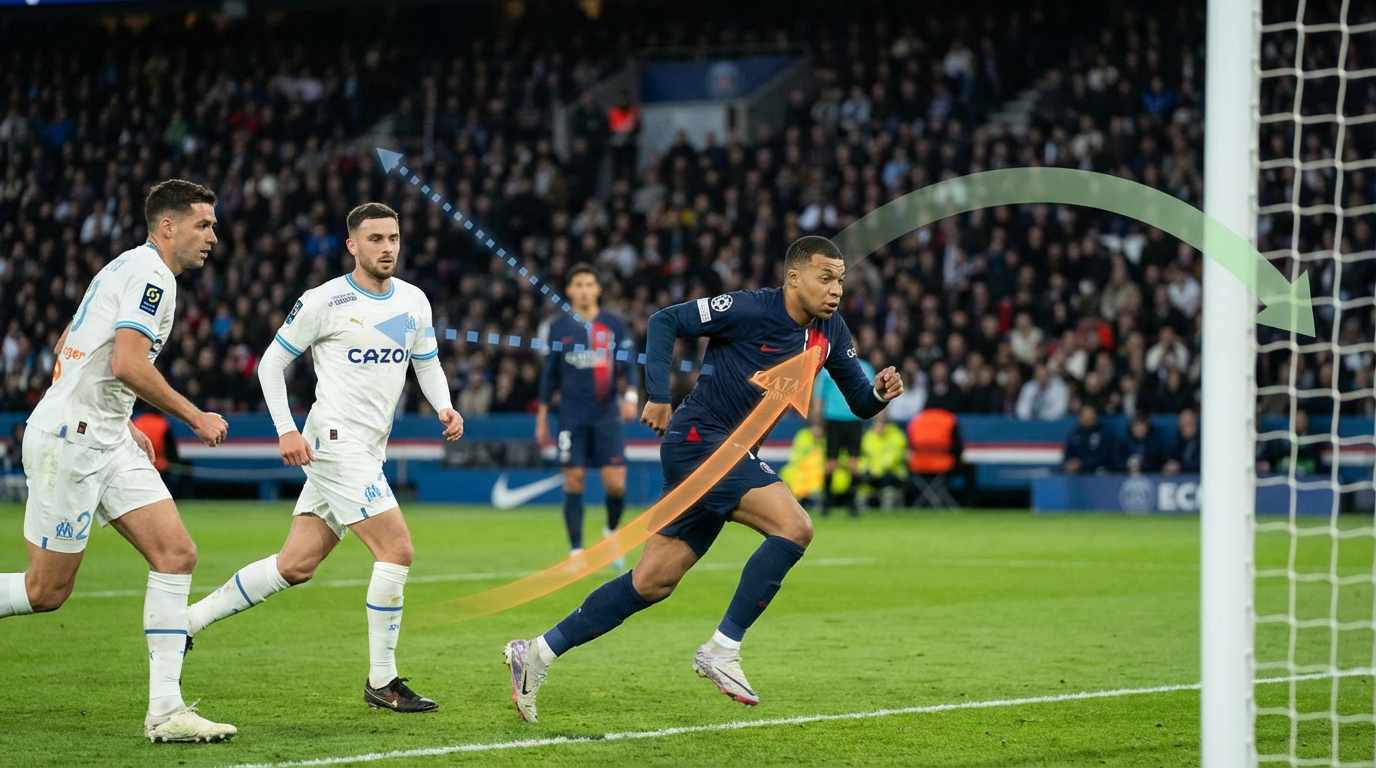
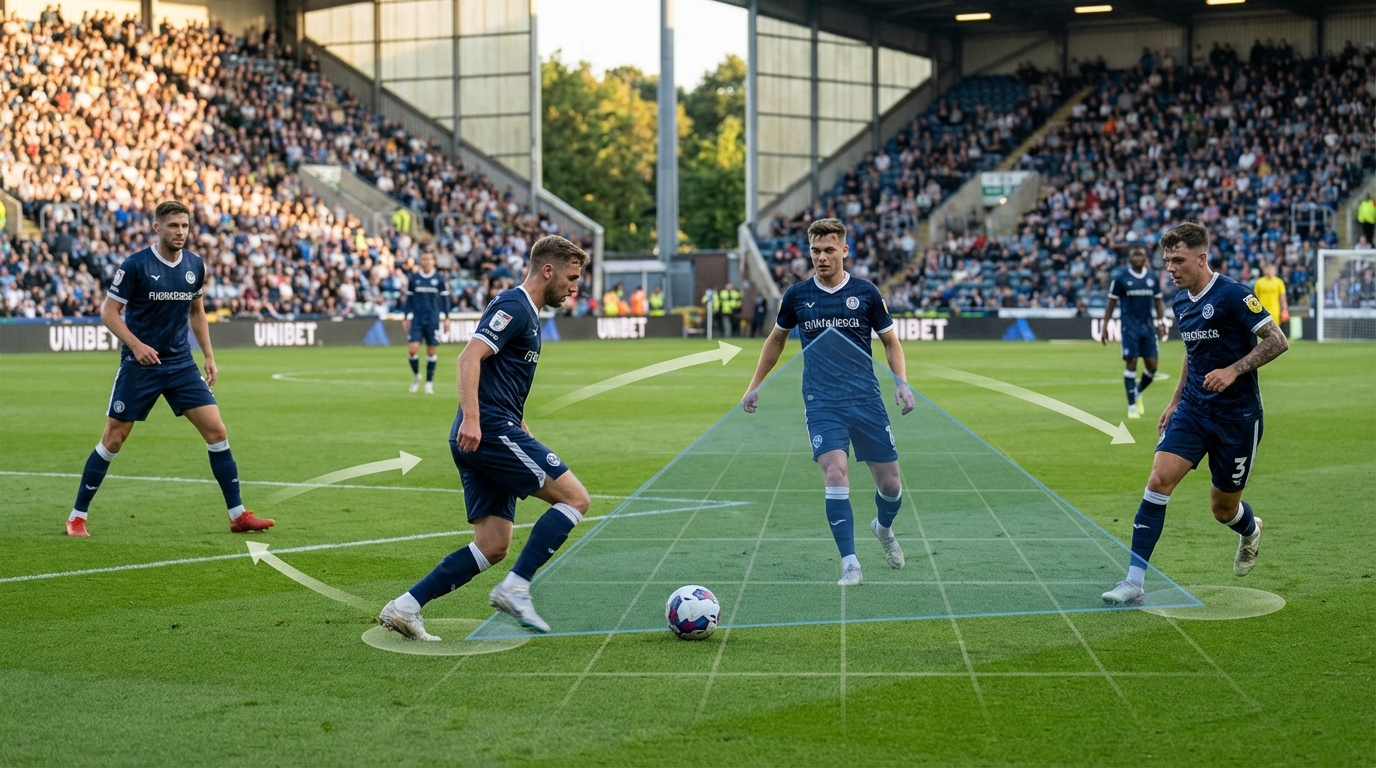
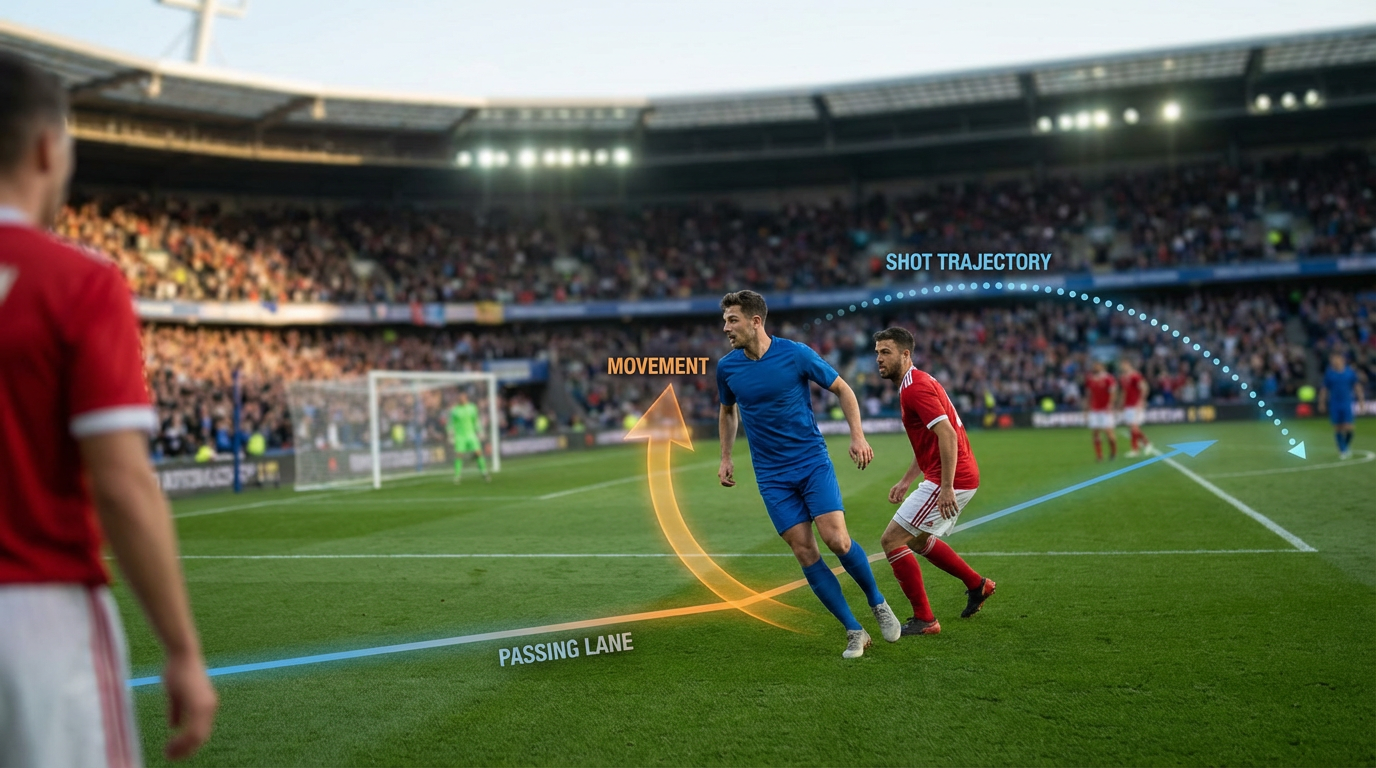
Off-the-ball movement shapes attacking patterns and defensive stability. Players must move in relation to teammates to create passing lanes and overloads. Performance analysis examines whether movement aligns with team patterns.
Uncoordinated movement can congest spaces and limit effectiveness.
Timing and Rhythm
Timing determines the success of structured movement. Late or early runs can disrupt patterns. Analysts assess how well players synchronize with ball progression and positional rotations.
Consistency in timing reflects tactical understanding.
Pressing Systems and Defensive Structure
Structured systems often include organized pressing schemes that rely on collective coordination.
Individual Role in Collective Pressing
Pressing is a team action initiated by individuals. Attackers, midfielders, and defenders all have defined pressing triggers. Performance analysis evaluates whether players press at the correct moments and angles.
Effective pressing limits opposition options without breaking team shape.
Defensive Positioning and Recovery
When pressing fails, recovery positioning becomes critical. Players must regain structure quickly to prevent exploitation. Analysts assess recovery speed and positional awareness during transitions.
Defensive discipline is a key component of performance within structured systems.
Performance Analysis Across Match Phases
Player performance varies across phases of play, each requiring different behaviors.
In Possession
In possession, structured systems emphasize spacing, circulation, and positional discipline. Performance analysis examines how players contribute to progression, maintain spacing, and support ball retention.
Players who understand positional play enhance team control.
Out of Possession
Out of possession, players must maintain compactness and execute defensive roles. Analysts assess positioning, tracking, and pressing alignment.
Discipline without the ball is often undervalued but essential.
Transitions
Transitions test system integrity. Players must switch roles instantly. Performance analysis focuses on reaction speed and decision-making during these moments.
Data and Video in Structured Performance Analysis
Modern analysis combines quantitative and qualitative methods.
Tactical Metrics and Indicators
Metrics such as positional heatmaps, passing networks, and pressing actions provide insight into role execution. However, data must be interpreted within tactical context.
High activity does not always equal high effectiveness.
Video Analysis for Tactical Understanding
Video analysis reveals positioning, movement, and decision-making patterns. Analysts use video to assess how players interact within system structures.
Visual context enhances data interpretation.
Adaptability Within Structured Systems
While structure provides stability, adaptability is essential.
Adjusting to Opponent Strategies
Opponents attempt to disrupt structured systems. Players must adapt positioning and decisions without abandoning principles. Performance analysis evaluates adaptability within tactical boundaries.
Flexibility within structure reflects high football intelligence.
Tactical Evolution During Matches
Systems evolve during matches through substitutions and adjustments. Analysts assess how players respond to changes in role or instruction.
Versatility enhances long-term value.
Psychological Factors and Tactical Discipline
Mental attributes influence performance within structured systems.
Concentration and Role Commitment
Structured systems demand sustained concentration. Players must remain disciplined even when not directly involved. Analysts consider focus and consistency over time.
Lapses in concentration often lead to structural breakdowns.
Trust in the System
Players must trust the system and teammates. Over-individualization can undermine structure. Performance analysis considers willingness to adhere to tactical plans.
Collective trust enhances cohesion.
Long-Term Evaluation in Structured Contexts
Evaluating players over time reveals compatibility with structured systems.
Consistency Across Matches
Consistent execution of roles across matches indicates tactical reliability. Analysts track trends rather than isolated performances.
Consistency often outweighs sporadic brilliance.
Development Within Tactical Frameworks
Player development includes tactical growth. Performance analysis assesses how players improve understanding and execution of system principles.
Tactical learning enhances career longevity.
Conclusion
Football player performance analysis in structured team systems requires a shift in perspective. Rather than isolating individual moments, analysts must evaluate how players function within collective frameworks defined by space, timing, and discipline.
In modern football, excellence is measured by alignment with tactical principles as much as technical ability. Players who understand structure, make disciplined decisions, and synchronize movement contribute more consistently to team success. As systems continue to evolve, performance analysis grounded in structure will remain essential to understanding the true impact of individual players within the collective game.