Defensive compactness is one of the most fundamental principles in modern football tactics. While attacking philosophies often attract attention, it is defensive compactness that underpins control, stability, and long-term success. At elite levels, teams rarely defend by chasing the ball. Instead, they defend space collectively, using compact structures to limit passing options, reduce dangerous areas, and force opponents into low-probability decisions.
A tactical breakdown of defensive compactness reveals that it is not a passive concept. Compact defending requires coordination, discipline, awareness, and constant adjustment. Teams that master compactness are able to absorb pressure, disrupt attacking rhythms, and regain control without excessive physical effort.
Understanding Defensive Compactness
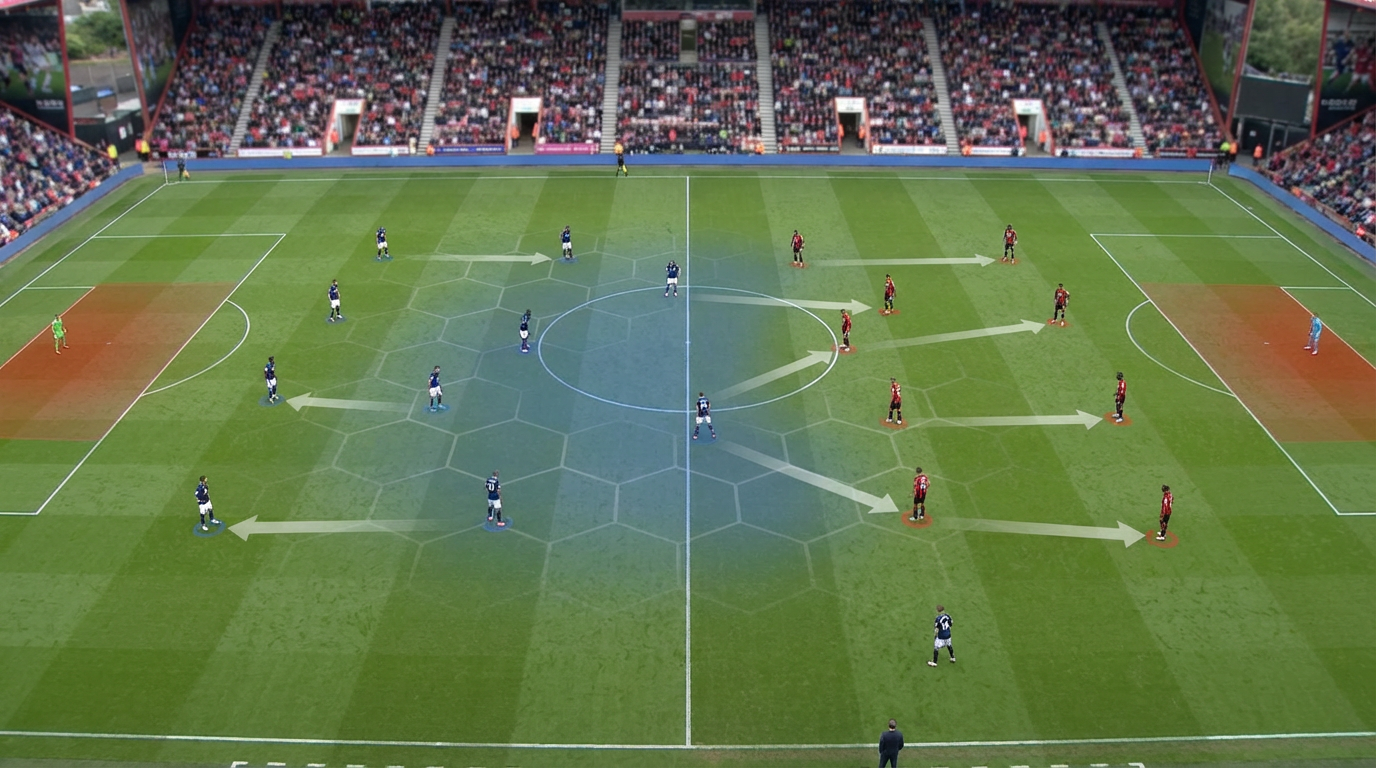
Defensive compactness refers to how closely players are positioned relative to one another when defending. It operates on both vertical and horizontal dimensions of the pitch.
Vertical Compactness
Vertical compactness concerns the distance between defensive, midfield, and attacking lines. Short vertical distances reduce space between lines, making it difficult for opponents to play through central areas.
When vertical gaps are minimized, attackers struggle to receive the ball facing goal, limiting progressive play and reducing shooting opportunities.
Horizontal Compactness
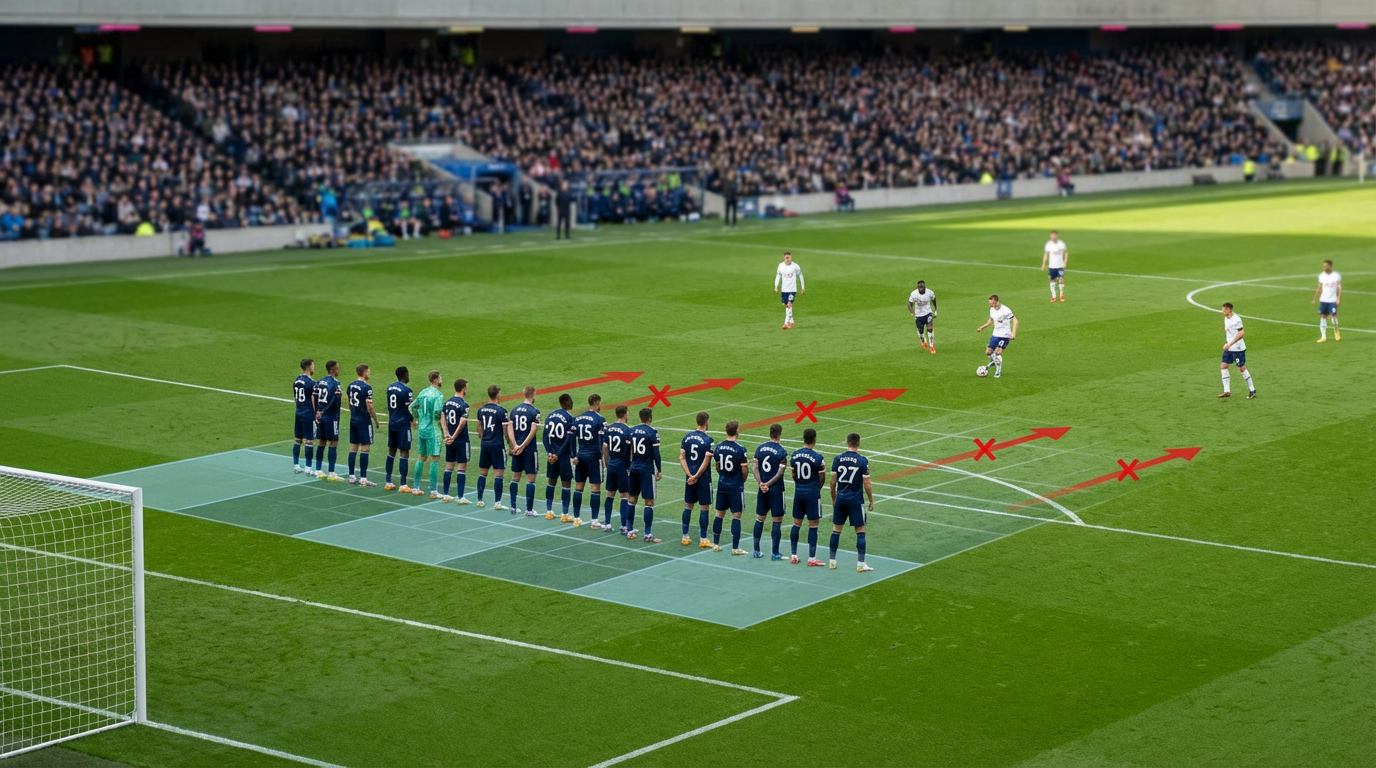
Horizontal compactness relates to the width of the defensive shape. A narrow defensive block closes central channels and encourages opponents to play wide, where danger is typically lower.
Effective teams shift laterally as a unit, maintaining compactness while adjusting to ball movement.
Why Defensive Compactness Is Central to Modern Football
The evolution of possession-based football has increased the importance of compact defending. As teams seek to dominate the ball, defensive structures must become more efficient at denying space rather than simply blocking shots.
Limiting Time and Space
Compactness reduces both time and space for attackers. When players receive the ball under pressure and with limited passing angles, decision-making becomes rushed.
This often results in turnovers, forced long shots, or predictable patterns of play.
Protecting High-Value Zones
The most dangerous areas in football are central zones near the penalty area. Defensive compactness prioritizes protecting these spaces by crowding central corridors and forcing play away from goal.
Teams that defend compactly concede fewer high-quality chances.
Structural Elements of Compact Defensive Systems
Compact defending is built on collective structure rather than individual effort.
Team Shape and Balance
A compact defensive block maintains balance across the pitch. While pressure is applied near the ball, supporting players remain positioned to cover passing lanes and protect space.
Performance analysis focuses on whether the team moves as a unit rather than reacting individually.
Line Coordination
Defensive lines must move together. When one line steps forward or drops deeper, others must adjust accordingly. Poor coordination creates gaps that opponents exploit.
Effective compactness depends on communication and shared understanding.
Compactness in Different Phases of Play
Defensive compactness must be maintained across all phases of the game.
Out of Possession
When defending without the ball, compactness is most visible. Teams reduce space between players and limit vertical progression.
Analysts assess spacing consistency and how well teams maintain shape under sustained pressure.
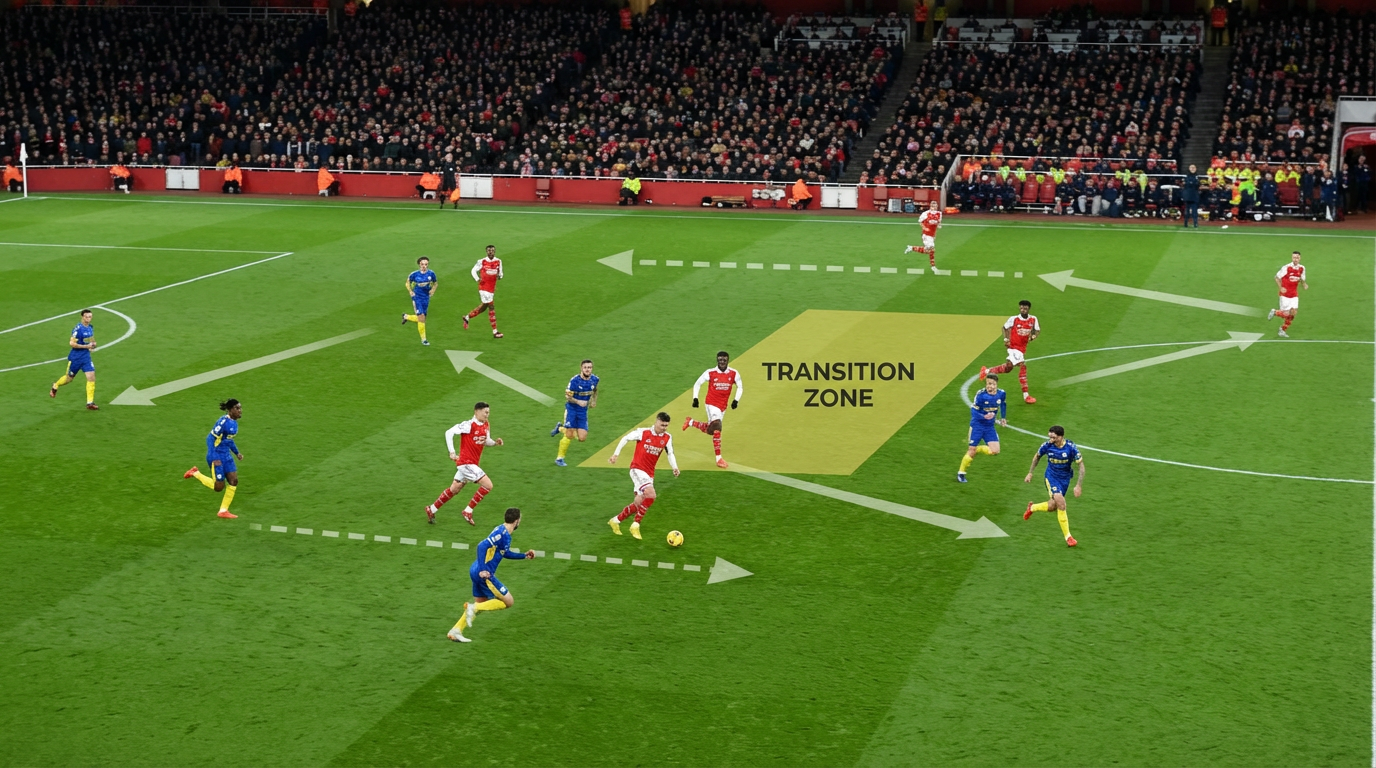
Defensive Transitions
Transitions are moments of vulnerability. Immediately after losing possession, teams must compress space quickly to prevent counterattacks.
Counter-pressing and rapid recovery runs are key components of transitional compactness.
Set Defensive Phases
During prolonged defensive phases, compactness must be sustained without excessive movement. Players must conserve energy while maintaining discipline.
Well-organized teams remain compact even under repeated attacks.
Defensive Compactness and Pressing
Compactness and pressing are interconnected but distinct concepts.
Compactness as a Foundation for Pressing
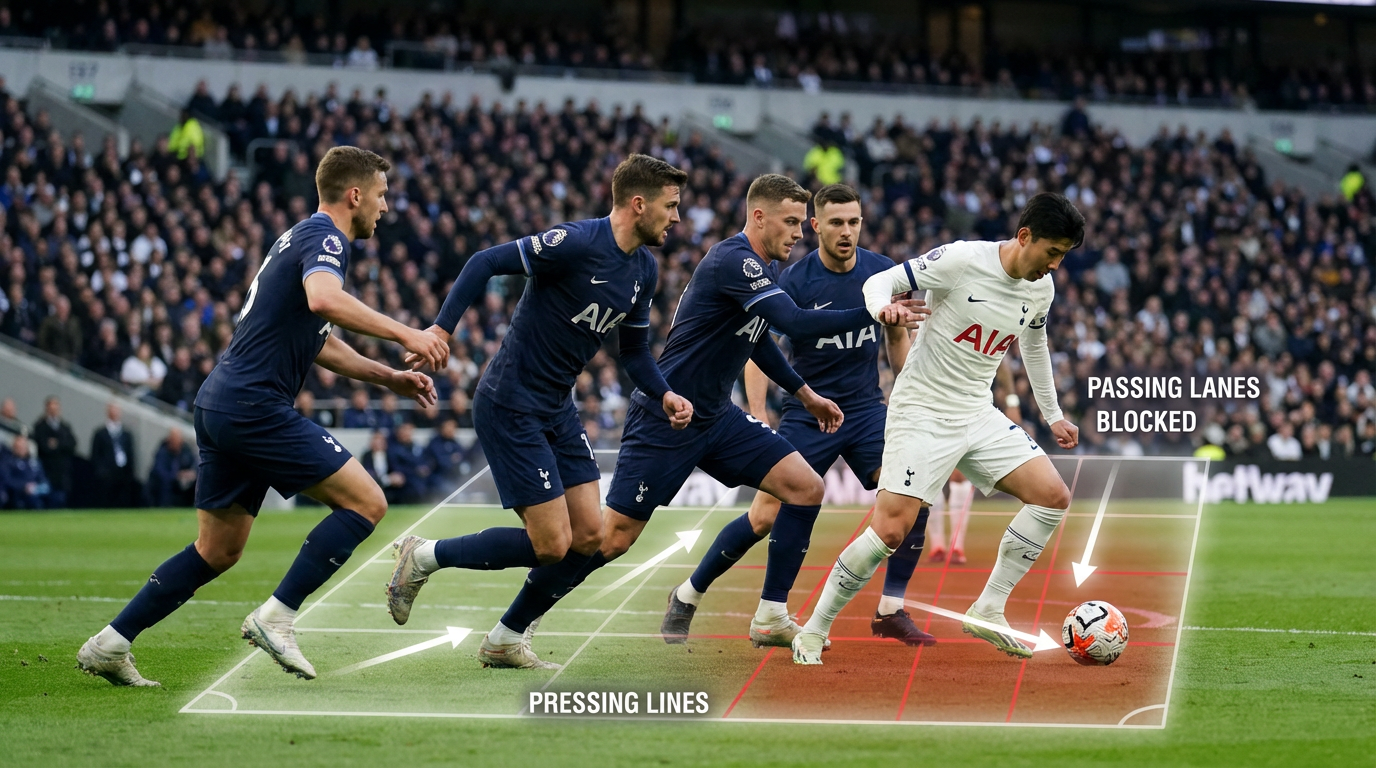
Pressing without compactness exposes space. When players press aggressively without support, opponents can bypass pressure easily.
Compactness ensures that pressing actions are supported by cover and balance.
Pressing Triggers Within Compact Blocks
Teams often remain compact while waiting for pressing triggers, such as poor touches or backward passes. When these triggers occur, pressure is applied collectively.
This controlled aggression increases defensive efficiency.
Compactness Across Tactical Systems
Different formations express compactness in different ways.
Low and Mid Blocks
In low and mid blocks, compactness is emphasized both vertically and horizontally. Lines remain close to deny space between midfield and defense.
These systems prioritize patience and positional discipline.
High Defensive Lines
High defensive lines require compactness higher up the pitch. Vertical distances remain short, but recovery speed becomes critical.
Performance analysis evaluates whether teams can maintain compactness without exposing space behind.
Back Three vs Back Four Structures
Back-three systems often achieve compactness through numerical superiority centrally, while back-four systems rely on line coordination.
Both require disciplined wing or wide player positioning to avoid horizontal gaps.
Individual Roles Within Compact Defensive Structures
While compactness is collective, individual responsibilities remain important.
Central Defenders
Central defenders organize line height and spacing. Their positioning dictates how compact the defensive block remains.
Strong anticipation and communication are essential.
Midfielders
Midfielders bridge defensive and attacking lines. They close central spaces and support both pressing and recovery.
Performance analysis often highlights midfield positioning as a key determinant of compactness.
Wide Players and Full-Backs
Wide players must balance compactness with coverage of wide areas. Poor positioning can stretch the defensive block.
Successful teams coordinate wide movements carefully.
Common Mistakes That Break Compactness
Compactness fails when coordination breaks down.
Over-Pressing Individually
When players press without support, gaps appear. Opponents exploit these spaces quickly.
Discipline is more valuable than intensity.
Poor Recovery Positioning
Slow or uncoordinated recovery after losing the ball creates transitional gaps. Teams must prioritize immediate spatial control.
Lack of Communication
Compact defending requires constant communication. Silence leads to disorganization.
Data and Video Analysis of Defensive Compactness
Modern analysis combines data with observation.
Positional Data and Spacing Metrics
Tracking data measures distances between players and lines. Analysts use these metrics to assess compactness consistency.
However, numbers must be interpreted within tactical context.
Video Analysis of Defensive Shape
Video reveals movement synchronization, spacing discipline, and reaction speed. Tactical breakdowns rely heavily on visual evidence.
Compactness is best understood through observation.
Tactical Adaptation and Compactness
Compactness is not static; it adapts to match context.
Adjusting Compactness Based on Game State
Teams may defend more compactly when protecting a lead or expand slightly when chasing a goal.
Performance analysis considers situational adjustments.
Responding to Opponent Strengths
Against teams that dominate centrally, compactness increases in central zones. Against wide-focused teams, horizontal adjustments are required.
Flexibility enhances defensive effectiveness.
Psychological and Physical Demands of Compact Defending
Compact defending tests concentration and discipline.
Mental Focus and Patience
Defending compactly requires patience. Players must resist the urge to chase the ball unnecessarily.
Mental lapses often lead to breakdowns.
Physical Efficiency
Compact defending reduces unnecessary running. Efficient movement conserves energy over long matches and seasons.
This efficiency supports tactical consistency.
Long-Term Impact of Defensive Compactness
Teams that master compactness build reliable defensive identities.
Consistency Across Matches
Compact systems produce predictable defensive outcomes, reducing variance in performance.
Consistency is a hallmark of successful teams.
Foundation for Tactical Evolution
Strong compactness allows teams to add pressing or possession elements without sacrificing stability.
Defensive structure supports tactical growth.
Conclusion
A football tactical breakdown of defensive compactness highlights its central role in modern football success. Compactness is not about retreating or avoiding risk; it is about controlling space intelligently and collectively.
Teams that defend compactly limit opponent options, reduce high-quality chances, and create platforms for transitions and control. In an era defined by tactical complexity, defensive compactness remains one of the most reliable principles in football. Mastery of spacing, coordination, and discipline transforms defense from a reactive task into a proactive tactical weapon.