High pressing has become one of the defining tactical trends in modern football. As teams seek greater control over matches, pressing high up the pitch offers a proactive method of disrupting opponents, regaining possession quickly, and sustaining attacking pressure. Rather than waiting passively in deep defensive blocks, high pressing systems aim to compress space, force errors, and dictate the rhythm of play.
Understanding high pressing requires more than identifying aggressive running. Effective pressing is structured, coordinated, and highly dependent on timing, positioning, and collective intelligence. This tactical breakdown examines how high pressing systems function, the roles within them, and how teams balance aggression with defensive stability.
The Tactical Purpose of High Pressing
High pressing is designed to influence the match far from a team’s own goal. By applying pressure near the opponent’s defensive third, teams seek to regain possession in advanced areas, creating immediate scoring opportunities.
Controlling Territory and Tempo
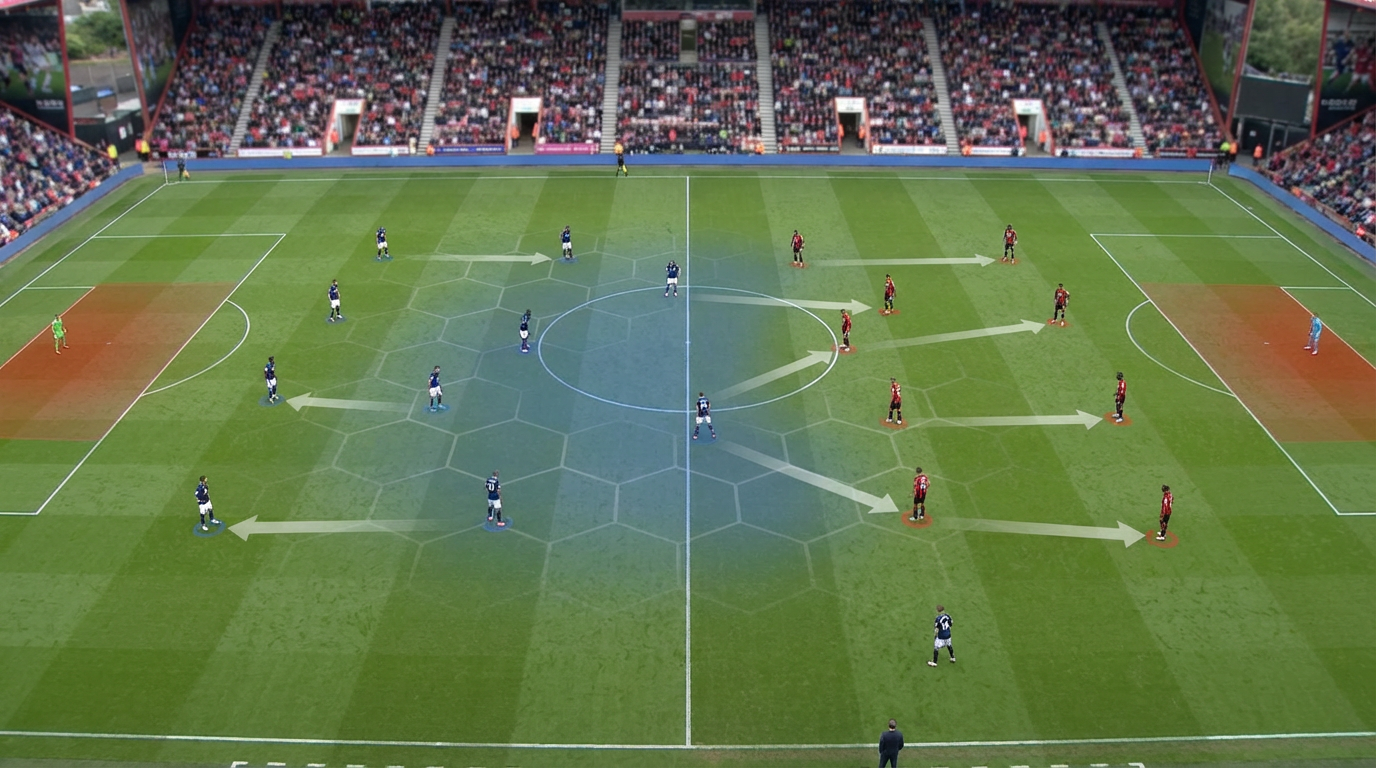
High pressing allows teams to control territory by pushing the defensive line higher and compressing the pitch. This reduces the opponent’s time on the ball and limits passing options. Performance analysis evaluates how effectively pressing teams maintain compactness between lines while sustaining pressure.
By forcing play into predictable areas, pressing teams gain tactical superiority.
Psychological Pressure on Opponents
Sustained high pressure can disrupt an opponent’s composure. Defenders and goalkeepers are forced into rushed decisions, increasing the likelihood of technical errors. While difficult to quantify, psychological pressure is a recognized component of pressing success.
Structural Foundations of High Pressing Systems
High pressing systems rely on structure rather than individual effort. Without coordination, aggressive pressing exposes teams to counterattacks.
Compact Team Shape
The foundation of pressing is compactness. Vertical and horizontal distances between players must remain short to close passing lanes and support pressing actions. Analysts examine spacing to determine whether pressing intensity is sustainable.
A compact shape ensures that if pressure is bypassed, cover remains available.
Defensive Line Height
High pressing requires an advanced defensive line. Center backs must be comfortable defending large spaces behind them, while full backs maintain balance between pressing and recovery. Performance analysis evaluates how effectively the defensive line supports pressing without becoming vulnerable.
Pressing Triggers and Cues
Pressing is activated by specific triggers rather than continuous running.
Common Pressing Triggers
Triggers include backward passes, poor first touches, sideline pressure, and passes into marked players. High-level teams recognize these moments collectively and act instantly.
Performance analysis assesses whether players react simultaneously or press inconsistently.
Synchronization of Movement
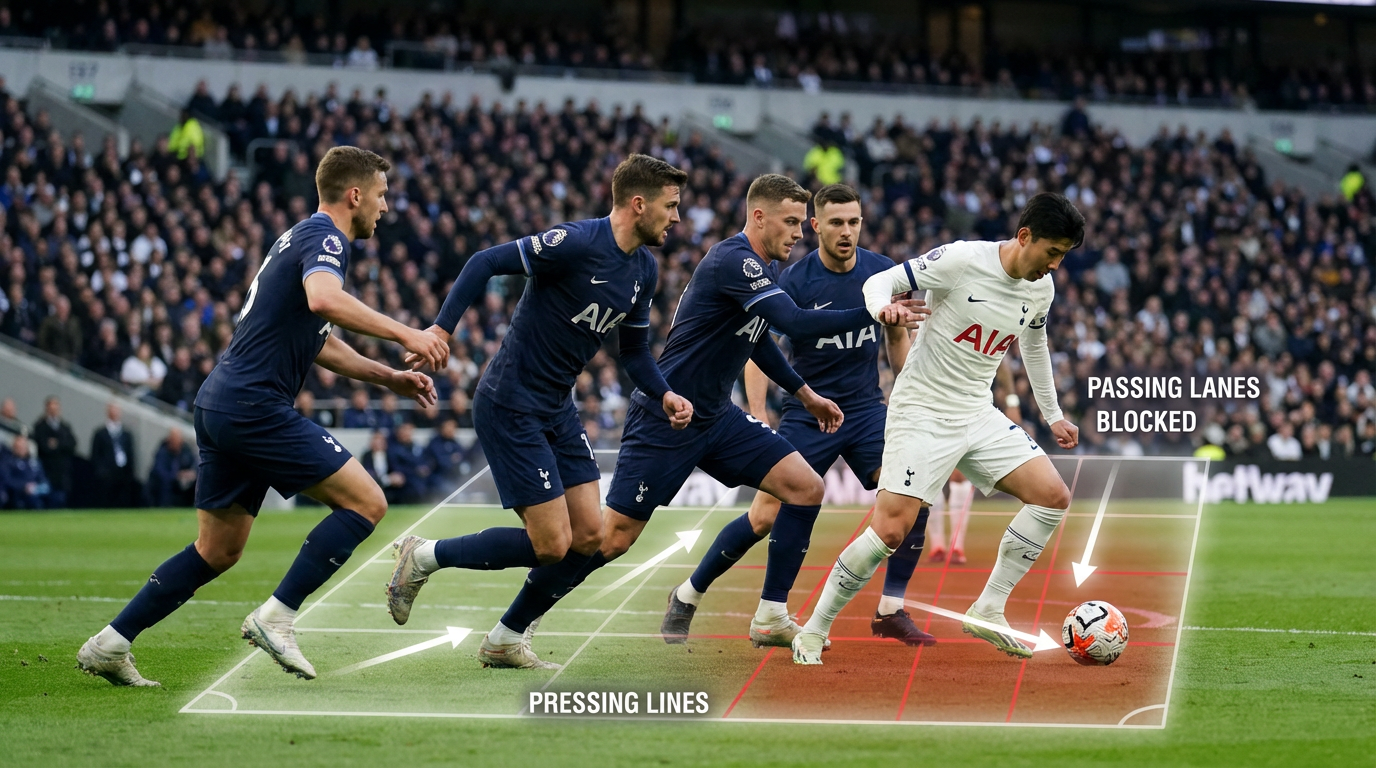
Once a trigger occurs, all nearby players must respond. The nearest player applies pressure while others close passing lanes and provide cover. Effective synchronization limits escape routes and increases regain probability.
Roles Within a High Pressing System
Each position has defined responsibilities within pressing structures.
Role of Forwards
Forwards initiate pressing by directing play into specific zones. Their pressing angles determine opponent passing options. Analysts evaluate whether forwards press intelligently rather than chasing indiscriminately.
Effective forward pressing sets the tone for the entire system.
Midfield Responsibilities
Midfielders support pressing by stepping into passing lanes and covering space behind the first line. They must read pressing cues and adjust positioning dynamically.
Performance analysis focuses on anticipation and positional awareness.
Defensive Unit Coordination
Defenders maintain line height and provide cover for advanced teammates. They must balance aggression with awareness of space behind. Analysts assess recovery speed and communication within the back line.
High Pressing in Different Tactical Systems
Pressing principles remain consistent, but execution varies across formations.
Pressing in 4-3-3 Systems
The 4-3-3 system supports high pressing through wide forward positioning and central midfield coverage. Wingers press full backs while the central forward blocks passing lanes to midfield.
Performance analysis evaluates wing coordination and central compactness.
Pressing in 3-at-the-Back Systems
Three-defender systems rely on wing backs for width and pressing support. Central defenders must step forward aggressively. Analysts assess how wing backs manage dual roles without leaving defensive gaps.
Transition Moments and Counter-Pressing
High pressing extends into transitional phases.
Immediate Pressure After Loss
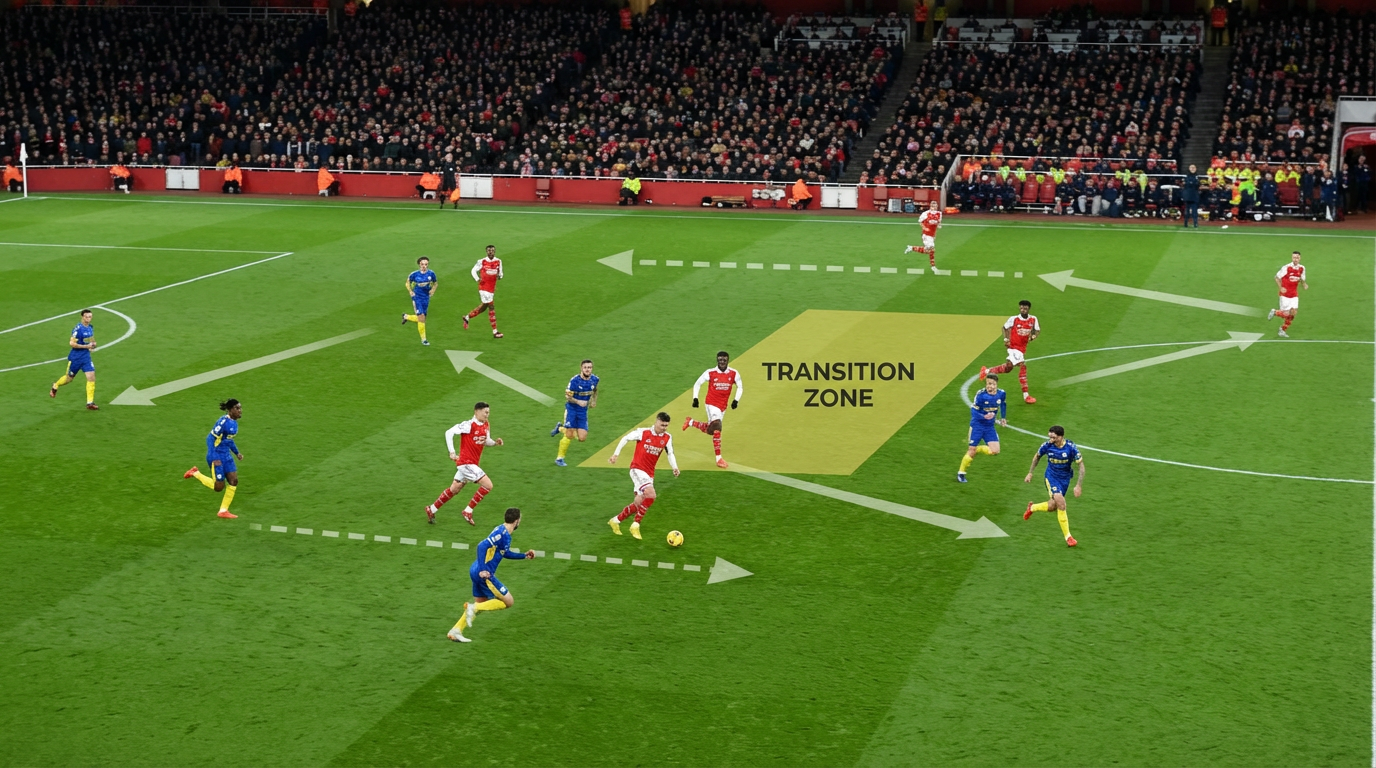
Counter-pressing seeks to regain possession immediately after losing it. This prevents opponents from exploiting disorganization. Performance analysis examines reaction time and collective response.
Successful counter-pressing maintains attacking momentum.
Managing Failed Presses
Not all pressing actions succeed. When bypassed, teams must retreat into compact defensive shapes. Analysts assess how quickly players recover and reestablish structure.
Physical Demands and Pressing Sustainability
High pressing places heavy physical demands on players.
Energy Management
Pressing must be controlled to avoid fatigue. Teams often press in phases rather than continuously. Performance analysis evaluates intensity cycles and player recovery.
Efficient pressing conserves energy while maintaining effectiveness.
Fitness and Rotation
Squad depth is essential for sustaining pressing styles across competitions. Analysts consider player rotation and workload management.
Tactical Risks of High Pressing
While effective, high pressing carries inherent risks.
Vulnerability to Direct Play
Opponents may bypass pressing through long passes. Defenders must handle aerial duels and second balls. Performance analysis evaluates preparedness for direct transitions.
Exploitation of Wide Areas
If wing players press aggressively, space can open in wide channels. Analysts assess coverage and recovery patterns.
Data and Analysis of Pressing Performance
Modern football relies on data to refine pressing systems.
Key Pressing Metrics
Metrics include pressures applied, regains in advanced areas, and forced turnovers. These indicators help quantify pressing efficiency.
However, numbers must be interpreted within tactical context.
Video Analysis and Tactical Evaluation
Video analysis reveals pressing angles, spacing, and synchronization. Analysts combine data with video to assess effectiveness.
Adaptation and Tactical Evolution
Pressing systems evolve based on opponent behavior.
Adjusting Pressing Height
Teams may vary pressing height depending on match context. Performance analysis examines tactical flexibility.
In-Game Tactical Changes
Substitutions and structural adjustments alter pressing dynamics. Analysts evaluate how players adapt to new roles.
Conclusion
High pressing systems represent a proactive approach to modern football tactics. When executed correctly, they allow teams to control territory, disrupt opponents, and create attacking opportunities. However, effective pressing depends on structure, coordination, and intelligent decision-making rather than relentless aggression.
Football tactical breakdowns of high pressing systems reveal that success lies in collective understanding and discipline. Teams that press intelligently balance intensity with structure, ensuring defensive stability while applying constant pressure. As tactical sophistication continues to grow, high pressing remains a powerful tool for teams seeking control and dominance in modern football.