Football matches are often decided not during long spells of possession or deep defensive blocks, but in the brief moments between them. These moments—known as transition phases—occur when possession changes hands and teams must instantly switch tactical behavior. Modern football places enormous emphasis on transitions, as they expose disorganization, test decision-making under pressure, and create some of the game’s most decisive opportunities.
A football tactical breakdown of transition phases explains how teams manage these critical moments to gain advantage. Successful transition play requires anticipation, coordination, and discipline. Teams that handle transitions effectively can dominate matches even against technically superior opponents.
Understanding Transition Phases in Football
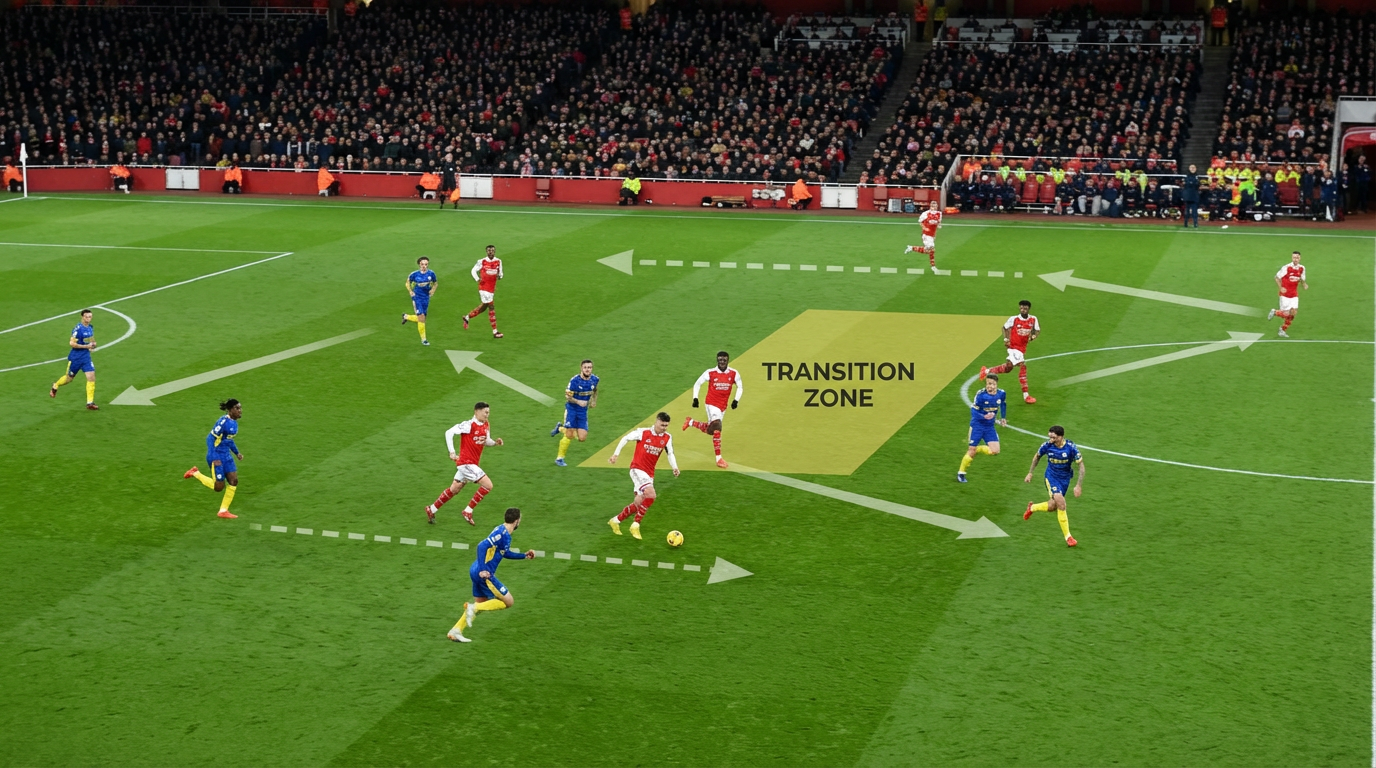
Transition phases occur immediately after possession is won or lost. They are short, intense periods where structure is either quickly reestablished or exploited.
The Two Types of Transitions
Football contains two primary transition phases:
- Defensive transition: the moment a team loses possession and must prevent counterattacks.
- Attacking transition: the moment a team regains possession and seeks to exploit space.
Both phases demand instant tactical adjustment and clear role execution.
Why Transitions Matter in Modern Football
As teams press higher and commit more players forward, transitions have become increasingly influential. Poorly managed transitions lead to high-quality chances conceded or missed opportunities created.
Tactical analysis consistently shows that many goals originate within seconds of possession changes.
Defensive Transitions: Responding to Ball Loss
Defensive transition begins the moment possession is lost. This phase tests a team’s organizational discipline and reaction speed.
Immediate Pressure on the Ball
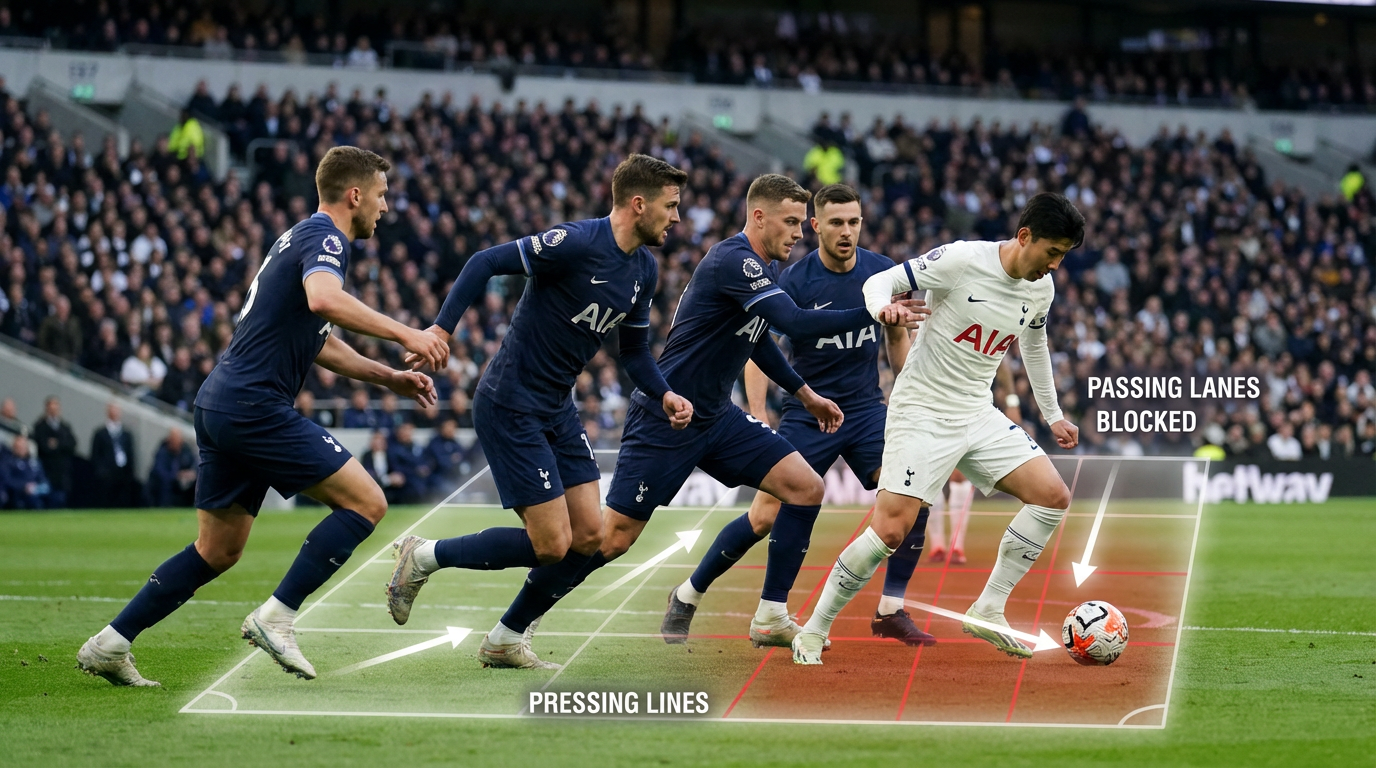
The first priority after losing possession is to apply immediate pressure. The nearest player challenges the ball carrier to slow progression and allow teammates to recover.
This delay is crucial for preventing direct attacks.
Counter-Pressing as a Defensive Tool
Counter-pressing involves collectively pressuring the opponent immediately after losing the ball. Rather than retreating, teams attempt to regain possession in advanced areas.
Effective counter-pressing relies on compactness, coordinated movement, and recognition of pressing triggers.
Recovery Runs and Positional Balance
If counter-pressing fails, players must recover into defensive positions quickly. Wide players track back, midfielders cover central spaces, and defenders adjust line height.
Tactical analysis evaluates recovery speed and spatial awareness during this phase.
Attacking Transitions: Exploiting Disorganization
Attacking transitions begin when possession is regained. This phase offers opportunities to exploit opponents before defensive shape is restored.
Recognizing Transition Moments
Not every regain warrants immediate attack. Players must assess space, numbers, and positioning. Tactical intelligence determines whether to counter quickly or retain possession.
Decision-making speed is a key performance indicator.
Verticality and Forward Runs
Successful attacking transitions often involve vertical passing and forward movement. Attackers make immediate runs into space, stretching defensive lines.
Performance analysis focuses on run timing and pass selection.
Width and Support During Counters
While verticality is important, width ensures passing options and stretches defenders. Wide players must position themselves to support progression without isolating the ball carrier.
Balanced support increases transition effectiveness.
Structural Principles That Support Transitions
Transition success is influenced by how teams structure themselves before possession changes.
Rest Defense and Positional Security
Rest defense refers to how players are positioned when attacking to prepare for potential ball loss. Teams maintain defensive balance by leaving players in covering positions.
Strong rest defense improves defensive transition outcomes.
Spacing and Distance Management
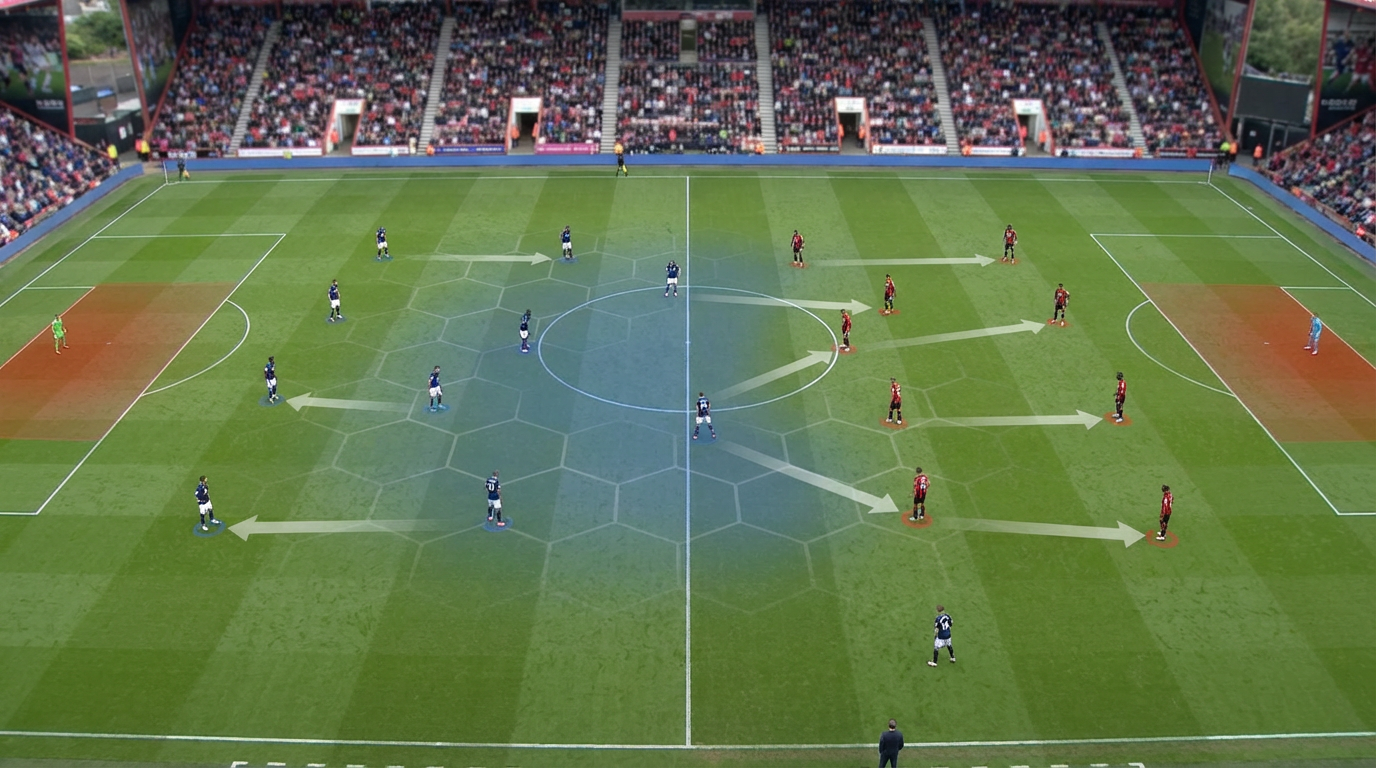
Excessive spacing weakens transitions. Players positioned too far apart struggle to press or support counters.
Compact attacking structures support both transition phases.
Transition Phases Across Tactical Systems
Different formations and systems handle transitions differently.
Transitions in Possession-Based Systems
Possession-oriented teams often rely on counter-pressing to defend transitions. Their compact positioning allows quick pressure after ball loss.
Attacking transitions may be controlled rather than direct.
Transitions in Direct and Counterattacking Systems
Teams built for counterattacks prioritize rapid attacking transitions. Defensive transitions focus on compact retreat and space protection.
Tactical analysis evaluates whether systems align with transition strategy.
Back Three vs Back Four Systems
Back-three systems may offer greater transition security centrally, while back-four systems rely on midfield coverage.
Wing player positioning significantly affects transition balance.
Individual Roles During Transition Phases
While transitions are collective moments, individual roles are critical.
Midfielders as Transition Anchors
Midfielders often dictate transition success. They apply pressure, intercept passes, and initiate counters.
Performance analysis highlights anticipation and positional awareness.
Attackers and First Movement
Attackers must react instantly during attacking transitions, making decisive runs and offering passing options.
Delays reduce counterattacking effectiveness.
Defenders and Risk Management
Defenders must judge when to step forward and when to delay. Over-aggression can expose space.
Tactical discipline is essential.
Psychological and Physical Demands of Transitions
Transition phases test both mental sharpness and physical readiness.
Concentration and Awareness
Players must remain alert even during sustained possession or defense. Mental lapses during transitions are costly.
Analysis considers consistency of focus.
Physical Explosiveness
Transitions require short bursts of speed and rapid directional changes. Fitness influences execution quality.
Efficient movement conserves energy.
Common Errors in Transition Phases
Breakdowns during transitions often stem from tactical indiscipline.
Slow Reaction to Possession Loss
Delayed pressure allows opponents to attack freely. Teams must react instantly.
Poor Decision-Making on the Counter
Forcing attacks without support leads to turnovers. Transition intelligence balances speed with control.
Structural Imbalance
Overcommitting players forward increases vulnerability. Balance is key.
Analyzing Transition Phases Through Data and Video
Modern analysis tools enhance understanding of transitions.
Key Transition Metrics
Metrics include time to pressure, recovery distances, and shots created from transitions. These indicators reveal effectiveness.
However, metrics require contextual interpretation.
Video Analysis of Transition Moments
Video provides insight into spacing, reaction timing, and decision-making. Analysts study freeze-frames and sequences to evaluate structure.
Visual context is essential.
Tactical Adaptation and Transition Management
Teams adjust transition behavior based on match context.
Game State Influence
Leading teams may slow attacking transitions to retain control, while trailing teams increase risk.
Performance analysis considers situational strategy.
Opponent-Specific Adjustments
Against fast opponents, teams prioritize defensive transitions. Against compact teams, attacking transitions become key.
Flexibility improves outcomes.
Long-Term Impact of Transition Mastery
Transition excellence contributes to sustained success.
Consistency Across Competitions
Teams that manage transitions well perform reliably against varied opponents.
Consistency reflects tactical maturity.
Foundation for Tactical Evolution
Strong transition structure allows teams to adopt more aggressive pressing or possession styles.
Transitions underpin modern tactics.
Conclusion
A football tactical breakdown of transition phases reveals their decisive role in modern football. These brief moments between possession states test tactical discipline, decision-making, and collective intelligence.
Teams that master transitions control the rhythm of matches, create high-quality opportunities, and minimize defensive exposure. Whether through aggressive counter-pressing or incisive counterattacks, transition phases shape outcomes at the highest level. In an era of structured systems and intense pressing, understanding and executing transitions effectively has become a defining feature of successful football teams