In modern football, pressing and recovery are no longer reactive phases of play — they are deliberate structural systems embedded into a team’s identity. At the highest level of competition, from the Premier League to the UEFA Champions League, the ability to press collectively and recover shape efficiently often determines competitive success.
Pressing is not about chasing the ball. Recovery is not simply retreating. Both are interconnected tactical mechanisms that rely on spacing, timing, communication, and positional intelligence. This article explores how modern teams structure pressing systems and organize recovery phases to maintain balance and competitive control.
1. The Philosophy of Pressing in Modern Football
Pressing has evolved from sporadic defensive aggression into a coordinated structural system. The aim is not merely to win possession but to control territory, tempo, and psychological momentum.
Coaches like Jurgen Klopp revolutionized the modern press through coordinated high-intensity counter-pressing, while Pep Guardiola refined pressing triggers within positional frameworks.
Pressing today serves three core purposes:
- Disrupting opposition build-up.
- Forcing predictable passing lanes.
- Creating immediate transition opportunities.
The effectiveness of pressing depends on structural discipline rather than individual enthusiasm.
2. Structural Foundations of Pressing
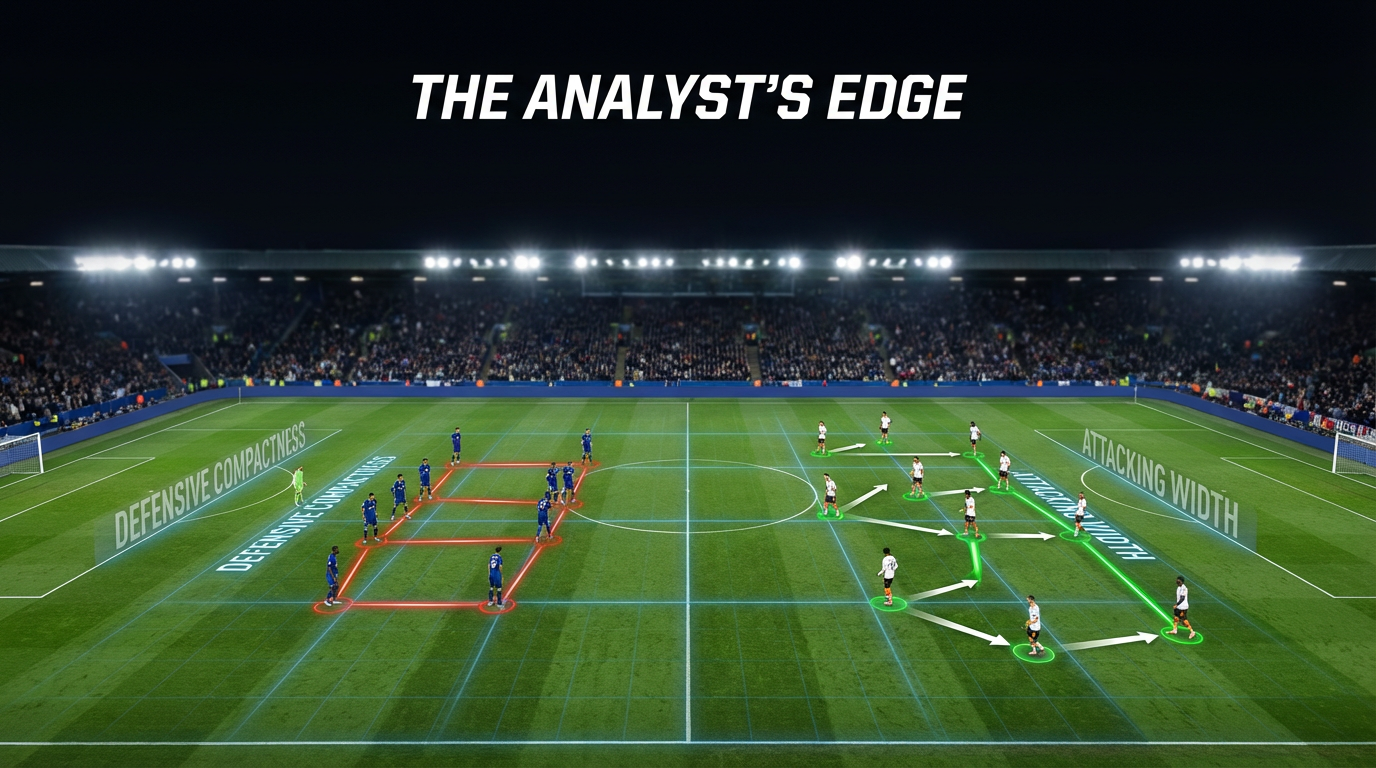
A successful pressing system requires compact vertical and horizontal spacing. If distances between lines are too large, opponents bypass pressure easily.
Vertical Compactness
The distance between the forward line, midfield, and defense must remain controlled. This ensures that:
- The second line supports the first press.
- Passing lanes into midfield are congested.
- Defensive coverage remains intact.
Teams like Liverpool FC during peak pressing seasons exemplified coordinated vertical compactness, allowing immediate ball recovery after losing possession.
Horizontal Compactness
Pressing teams narrow central zones, inviting opponents toward the flanks where pressing traps are set.
Without horizontal balance, central overloads compromise defensive shape.
3. Pressing Triggers and Collective Timing
Pressing is not constant chaos. It is activated by triggers such as:
- Poor first touches.
- Backward passes.
- Forced passes toward the touchline.
- Weak-foot receptions by defenders.
The moment a trigger occurs, the nearest player engages while surrounding teammates block escape routes. This synchronized movement prevents simple release passes.
Elite pressing teams operate almost like synchronized choreography — one player’s movement initiates collective reaction.
4. High Press vs Mid-Block: Strategic Variation
Modern competitions demand flexible pressing heights.
High Press
High pressing aims to suffocate opponents near their penalty area. It requires:
- Energetic forwards.
- Brave defensive lines positioned high.
- Trust in recovery speed.
High pressing often produces immediate scoring opportunities but carries transitional risk.
Mid-Block Structure
A mid-block offers greater defensive security while still applying structured pressure in central zones. Teams such as Atletico Madrid often combine mid-block discipline with explosive transitional attacks.
Choosing pressing height depends on opponent characteristics and match context.
5. Counter-Pressing: The First Phase of Recovery
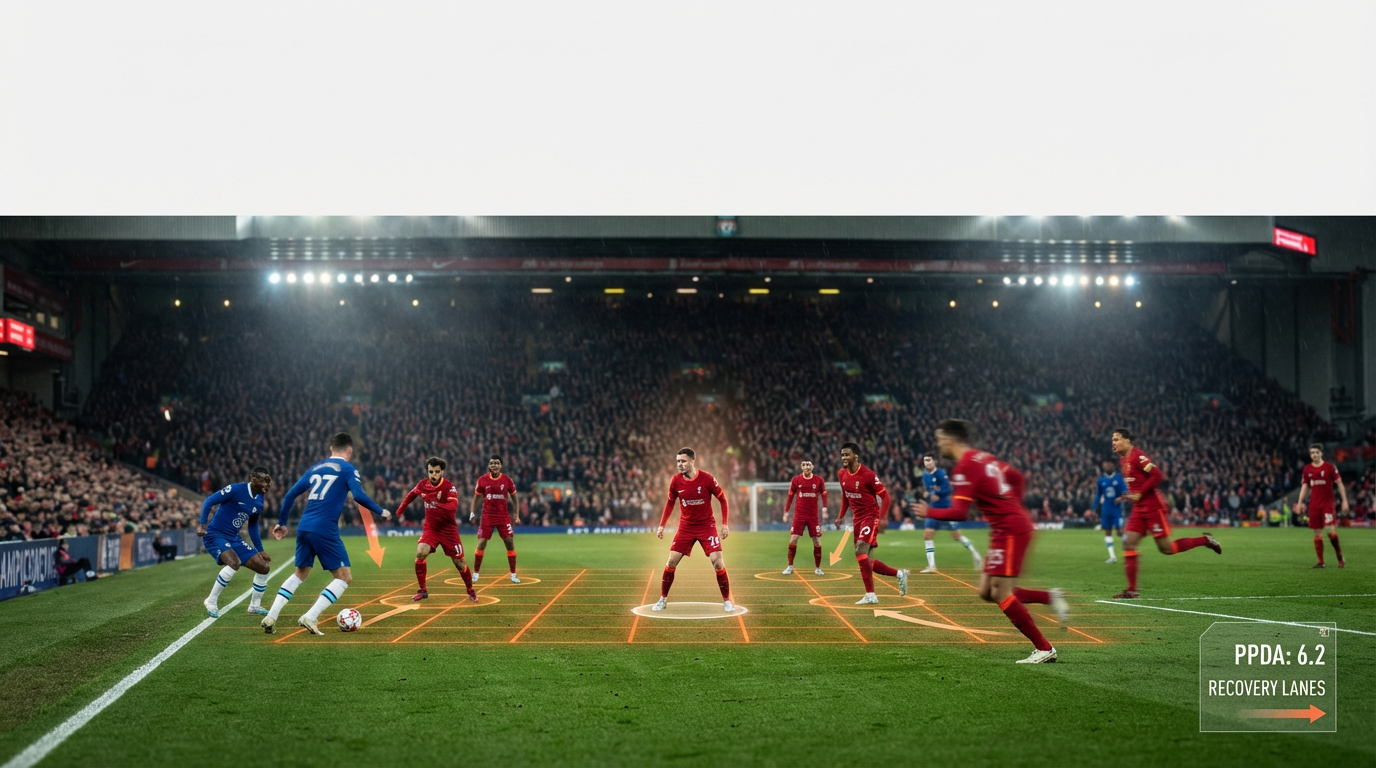
Recovery begins the instant possession is lost. Counter-pressing — also known as “gegenpressing” — attempts immediate ball regain before the opponent can organize.
Counter-pressing relies on:
- Short distances between attacking players.
- Immediate reaction speed.
- Clear role understanding.
If executed correctly, it prevents counterattacks at their inception. If mistimed, it exposes defensive lines.
Teams that dominate modern competitions rarely allow clean transitions because counter-pressing interrupts them early.
6. Defensive Recovery Structure
When immediate pressing fails, structured recovery becomes essential.
Recovery Runs
Midfielders and full-backs must sprint into predefined defensive lanes, not randomly chase opponents. Recovery shape should:
- Protect central zones first.
- Delay opponent progression.
- Re-establish defensive block quickly.
Defensive Line Management
Central defenders must judge whether to hold a high line or drop deeper depending on pressure on the ball. Intelligent depth control prevents direct balls from breaking structure.
Top European sides such as Real Madrid demonstrate composure in retreat phases, maintaining central balance even under high-speed transitions.
7. The Role of the Defensive Midfielder
In pressing and recovery systems, the defensive midfielder acts as structural anchor.
Responsibilities include:
- Screening central passing lanes.
- Anticipating second balls.
- Providing balance behind pressing midfielders.
- Initiating tactical fouls when necessary.
Without a disciplined holding midfielder, pressing becomes fragmented and recovery chaotic.
This role requires tactical awareness more than physical dominance.
8. Pressing Traps and Controlled Aggression
Modern pressing often funnels opponents toward pre-designed traps.
For example:
- Wingers block inside passes.
- Full-backs step aggressively when opponents receive near touchline.
- Midfielders cut off return options.
The opponent is forced into low-percentage passes, increasing interception probability.
Pressing is most effective when it channels play predictably rather than attempting to close every space simultaneously.
9. Energy Management and Sustainability
One major strategic challenge in pressing systems is sustainability. High pressing demands immense physical output.
Modern teams manage energy through:
- Selective pressing waves.
- Rotational fouls to break rhythm.
- Tactical pauses through controlled possession.
Sustained pressing without structural rest leads to fatigue, reducing recovery speed and increasing defensive vulnerability.
Elite teams combine intensity with intelligent pacing.
10. Psychological Discipline in Recovery
Recovery phases require emotional control. After losing possession in dangerous areas, panic leads to disorganization.
Disciplined teams:
- Retreat collectively.
- Avoid reckless tackles.
- Trust structural coverage.
The ability to maintain calm under pressure separates elite teams from inconsistent ones.
Strategic maturity ensures pressing aggression never turns into structural recklessness.
11. Analytics and Pressing Efficiency
Modern football uses data to evaluate pressing success.
Metrics include:
- PPDA (Passes Per Defensive Action).
- Ball recoveries in final third.
- Counter-press success rate.
- Defensive transitions conceded.
These indicators help coaching staff refine pressing triggers and recovery timing.
Data analysis supports tactical refinement without replacing strategic intuition.
12. Structural Balance: Pressing Without Exposure
The key challenge remains balancing aggression with protection.
Effective pressing systems ensure:
- At least two defenders remain behind pressing waves.
- Defensive midfielder maintains central coverage.
- Opposite full-back stays conservative when pressing side advances.
This concept, often referred to as “rest defense,” safeguards against counters.
Without rest defense, pressing becomes high-risk.
13. Pressing in Knockout vs League Formats
Competition format influences pressing strategy.
Domestic Leagues
Teams may press consistently across matches to impose identity.
Knockout Competitions
Risk management becomes more cautious. Pressing intensity may fluctuate based on aggregate score and opponent threat.
Understanding context determines pressing height and recovery urgency.
Conclusion: Pressing and Recovery as Structural Intelligence
Pressing and recovery in modern football are expressions of collective intelligence. They are not moments of chaos but structured systems built upon compactness, anticipation, and synchronized movement.
Successful teams:
- Press with purpose.
- Recover with organization.
- Maintain compact distances.
- Protect central zones.
- Adapt intensity to match context.
In today’s elite competitions, the teams that dominate transitions often dominate matches. Pressing creates opportunity. Recovery preserves stability. Together, they define structural excellence.
Ultimately, football at the highest level rewards those who control not just possession — but space, timing, and collective reaction.